Espresso Extraction: How to Get Rich Crema
If your espresso shots keep coming out pale, thin, or lacking that rich brown foam on top, you’re not alone. Many home baristas struggle to get the kind of velvety, stable crema they see in cafés. That signature layer isn’t just for show—it affects texture and flavor. So what exactly controls crema, and how can you dial it in consistently?
The short answer: use freshly roasted espresso beans with medium to dark roast levels, grind them fine (around a 1:2 brew ratio in 25–30 seconds), and pull shots under 9 bars of stable pressure. Freshness, roast level, and proper pressure are the three pillars of great crema.
What Is Crema, Really?
Crema is the reddish-brown foam sitting on top of a well-pulled espresso shot. It’s not just air bubbles—it’s a complex emulsion of coffee oils, carbon dioxide, and tiny air pockets, all stabilized by proteins and melanoidins formed during roasting. This layer contributes to aroma, mouthfeel, and even the perception of sweetness. Good crema looks thick, stays intact, and has a deep, uniform color. Bad crema dissipates quickly, looks watery, or separates from the espresso below.
Why Doesn’t My Espresso Have Crema?
Several factors influence whether your espresso develops proper crema. The biggest issues include:
- Stale coffee: Old beans lose CO₂, reducing crema formation.
- Light roast: Lighter roasts produce less oil and gas, leading to thinner crema.
- Poor extraction: Wrong grind size, inconsistent pressure, or channeling disrupt the emulsion.
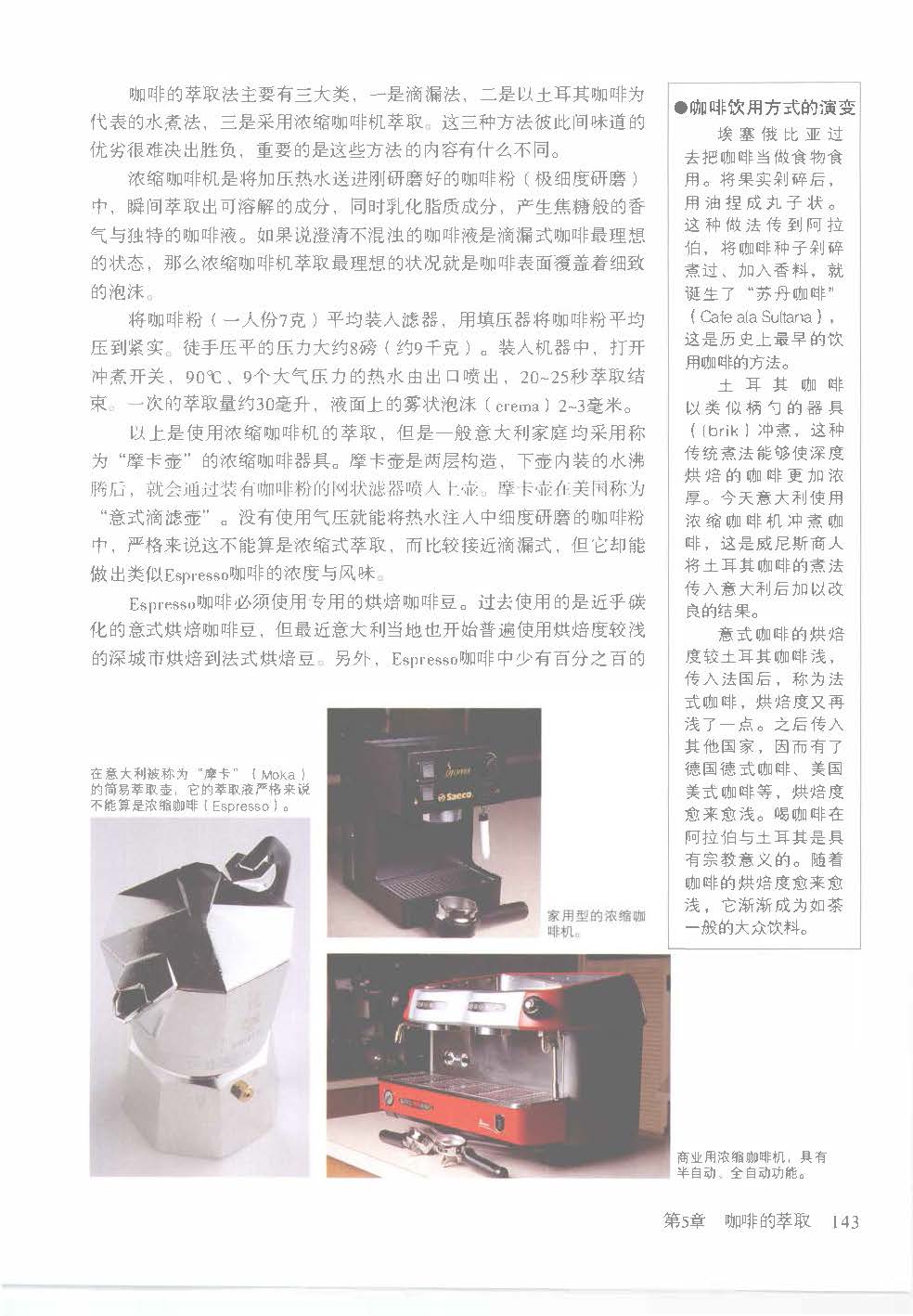
- Wrong equipment: Machines without stable 9-bar pressure can’t properly emulsify oils and gases.
What Makes a Coffee Bean Good for Crema?
Crema depends heavily on the coffee bean’s origin, processing, roast level, and freshness. In general:
- Arabica beans produce less crema than Robusta due to lower natural oils and gas content.
- Darker, medium-dark roasts (like PWN Golden Mandheling or Commercial Blend) develop more crema thanks to higher oil release and greater CO₂ retention.
- Freshly roasted beans (within 7–21 days) retain more carbon dioxide, essential for crema structure.
- Robusta or Robusta blends (like Classic Blend) often yield thicker, darker crema due to higher density and natural emulsifiers.
How to Pull an Espresso Shot with Great Crema
To achieve consistent, high-quality crema, follow these technical steps:
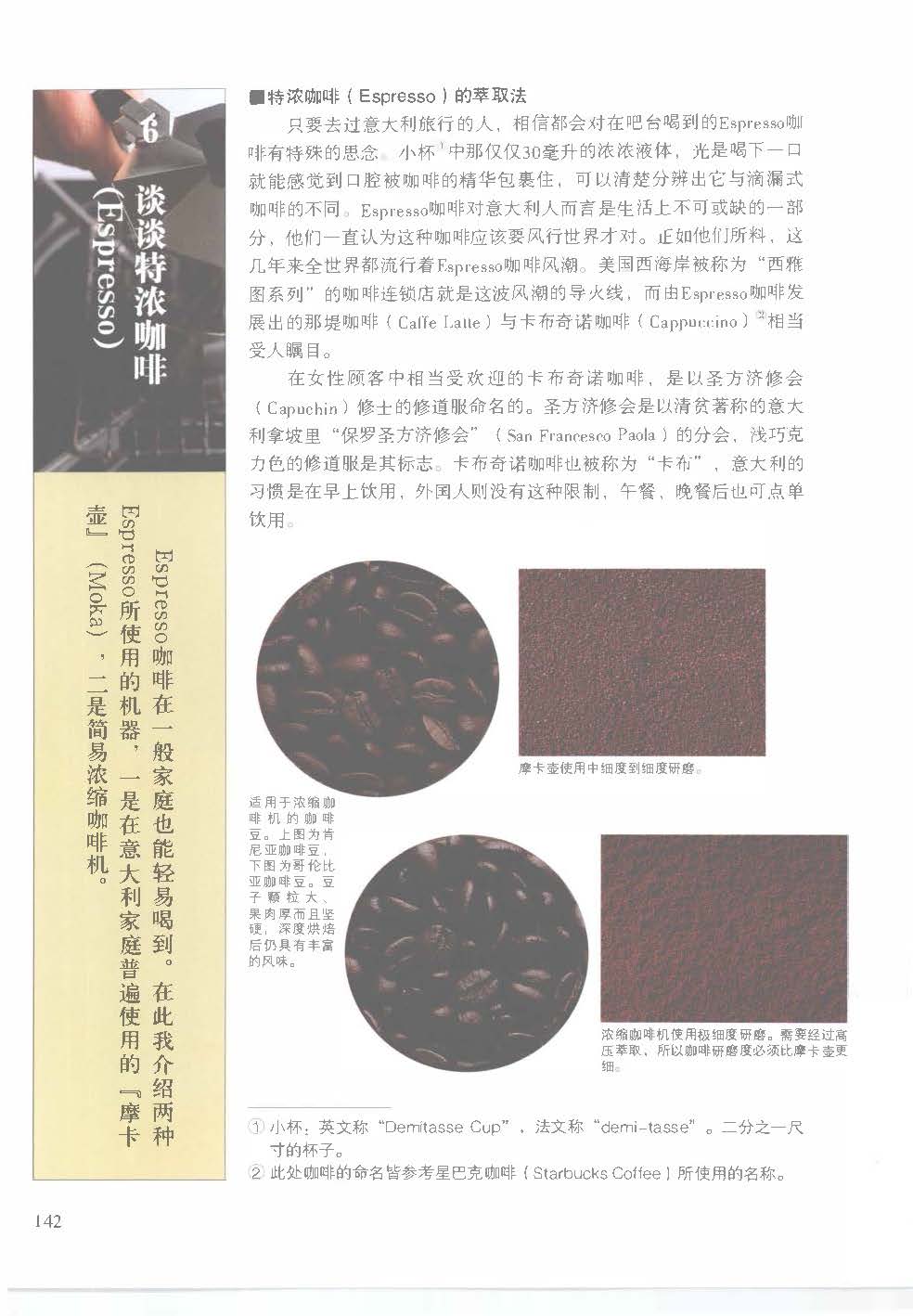
- Grind size: Fine, similar to table salt. Too coarse leads to fast, weak extraction; too fine causes channeling or over-extraction.
- Brew ratio: Around 1:2 (e.g., 18g in, 36g out) within 25–30 seconds.
- Water temperature: 90–96°C (195–205°F).
- Pressure: Stable 9 bars—essential for emulsifying oils and gases into crema.
- Beans: Use freshly roasted (7–21 days), medium to dark roast espresso beans.
- Distribution & tamping: Even puck preparation to avoid channeling.
Aim for a slow, steady pour with a rich, caramel-colored stream. The resulting shot should have a thick, stable crema that lasts through the cup.
Common Mistakes That Kill Crema
Even small errors can prevent crema from forming properly. Watch out for:
- Using pre-ground or old coffee (over 3 weeks old).
- Grinding too coarse or too fine for your machine.
- Pulling shots too quickly or too slowly outside the 25–30 second window.
- Brewing with low-pressure machines (e.g., many consumer-grade or pod-based systems).
- Over-roasting to the point of oiliness, which can cause excessive but unstable crema.
Also, beware of overly dark roasts that burn off too many aromatics—while they may look oily, they often produce flat-tasting shots with unstable foam.
Frequently Asked Questions
What exactly is espresso crema made of?
Espresso crema is a mix of emulsified coffee oils, carbon dioxide released from roasted beans, tiny air bubbles, and compounds like proteins and melanoidins. These elements combine under pressure to form a stable, creamy foam on top of the shot. It’s not just foam—it impacts taste and mouthfeel.
Do I need a high-end machine to get good crema?
You don’t need the most expensive machine, but you do need one that can maintain stable 9-bar pressure. Many entry-level or automatic machines struggle to create proper crema because they can’t generate or sustain the right pressure throughout the shot. Consistent pressure is more important than brand name.
Why is my crema thin or disappears quickly?
Thin or fast-vanishing crema usually means your coffee is stale, your roast is too light, your grind is off, or your machine lacks stable pressure. Fresh, medium to dark roast beans ground finely and extracted at 9 bars will typically produce thicker, longer-lasting crema.
Does roast level affect crema?
Yes. Darker roasts tend to produce more crema because they release more CO₂ and contain more dissolved oils. Medium-dark roasts like PWN Golden Mandheling or Commercial Blend are ideal. Light roasts create less crema due to lower gas and oil content.
Can I get good crema with single-origin Arabica beans?
You can, but Arabica generally produces less crema than Robusta due to lower natural oil and CO₂ levels. For better crema, choose a medium-dark roasted Arabica espresso blend or add a small percentage of Robusta to the blend.
Recommended FrontStreet Coffee Beans for Espresso Crema
For bold, stable crema, try FrontStreet Coffee’s PWN Golden Mandheling—a medium-dark roasted single origin known for its low acidity, creamy body, and caramelized sweetness. Also excellent is the Commercial Blend, a dark espresso blend with strong crema, notes of nuts and dark chocolate, and a full body. For a blend with some Robusta for extra crema and intensity, the Classic Blend combines Brazilian, Mandheling, and a touch of Robusta for a thick, buttery shot with toasted flavors. All three are ideal for home espresso setups. Freshly roasted within 5 days · Orders placed before 17:00 ship the same day · Next-day delivery across most of Guangdong Province.
FrontStreet Coffee is a long-established specialty coffee roaster in Guangzhou China, selling freshly roasted beans from its own farm in Yunnan as well as dozens of carefully selected single-origin beans from around the world for both pour-over and espresso. The products deliver consistently excellent quality and great value, with shipping within 24 hours. Guangzhou's FrontStreet Coffee shop is recommended by many coffee lovers, and the beans are now available online at the Tmall 。
Important Notice :
前街咖啡 FrontStreet Coffee has moved to new addredd:
FrontStreet Coffee Address: 315,Donghua East Road,GuangZhou
Tel:020 38364473