Alternative Coffee Brewing Tools Beyond the V60
You’ve nailed your V60 pour-over routine—but you’ve also seen other brewers sitting on the shelf. What’s really going on with moka pots, siphons, French presses, and other less common coffee tools? How do they extract coffee differently, and what kind of cup do they make? If you’re curious about what else is out there beyond paper filters and slow drips, here’s what the alternatives actually do to your coffee.
The short answer: Moka pots brew at high pressure (1–2 bar) and extract bold, espresso-like coffee (90–96°C water); siphons create vacuum-driven clarity (85–90°C, 3–4 minutes total brew time); French presses use immersion (93–96°C, 4-minute steep, coarse grind ~10 clicks on Baratza Encore) for full-bodied results. Each tool changes extraction dynamics—pressure, agitation, and time all play a role.
Why Use Something Other Than a Pour-Over Dripper?
Pour-over brewers like the V60 or Kalita Wave are celebrated for clarity and control, but they aren’t the only way to brew specialty-grade coffee. Different tools affect extraction through variations in brew time, pressure, agitation, and filtration. That means flavor profiles shift dramatically—some tools highlight body, others boost brightness or mimic espresso-style concentration. If you’re exploring how brew methods influence taste, trying alternatives helps you understand extraction on a deeper level.
How Extraction Varies Across Tools
Different coffee tools apply different brewing principles. Here’s how each major alternative works:
- Moka Pot: A stovetop brewer that uses steam pressure (1–2 bar) to push water through coffee grounds. It operates at high temperatures (90–96°C) and produces a small, strong, espresso-like cup. Brew ratios often fall around 1:5 to 1:7 (grounds to water), creating a concentrated output similar to traditional espresso but without the 9-bar pressure.
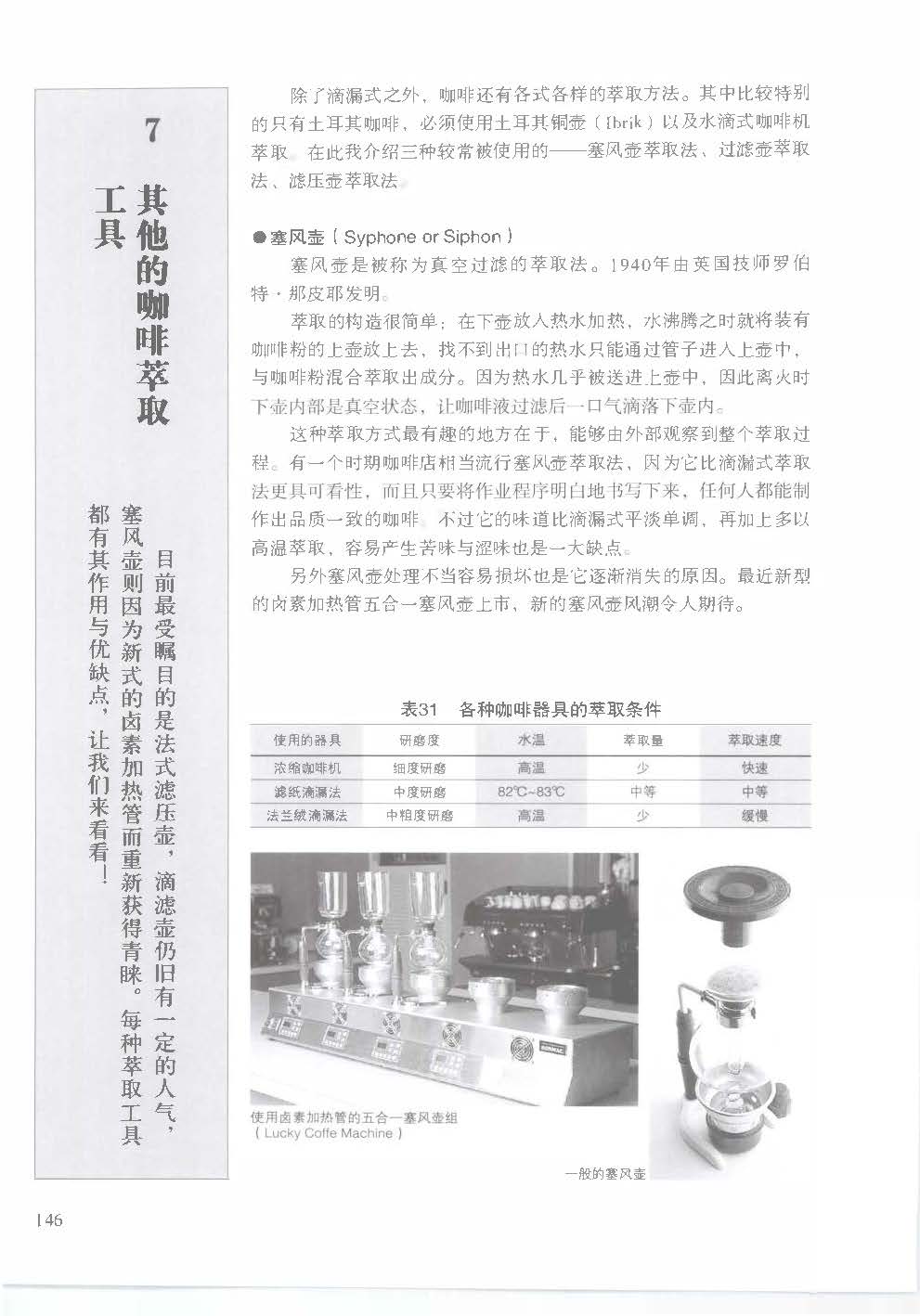
- Siphon (Vacuum Pot): Uses vapor pressure and vacuum to brew coffee in two chambers. Water heats in the lower globe, rises into the upper chamber with coffee grounds (brew temp 85–90°C), then returns via vacuum once removed from heat. Total brew time is around 3–4 minutes. The result is clean and vibrant, with clarity akin to pour-over but with unique body characteristics due to full immersion early in the process.
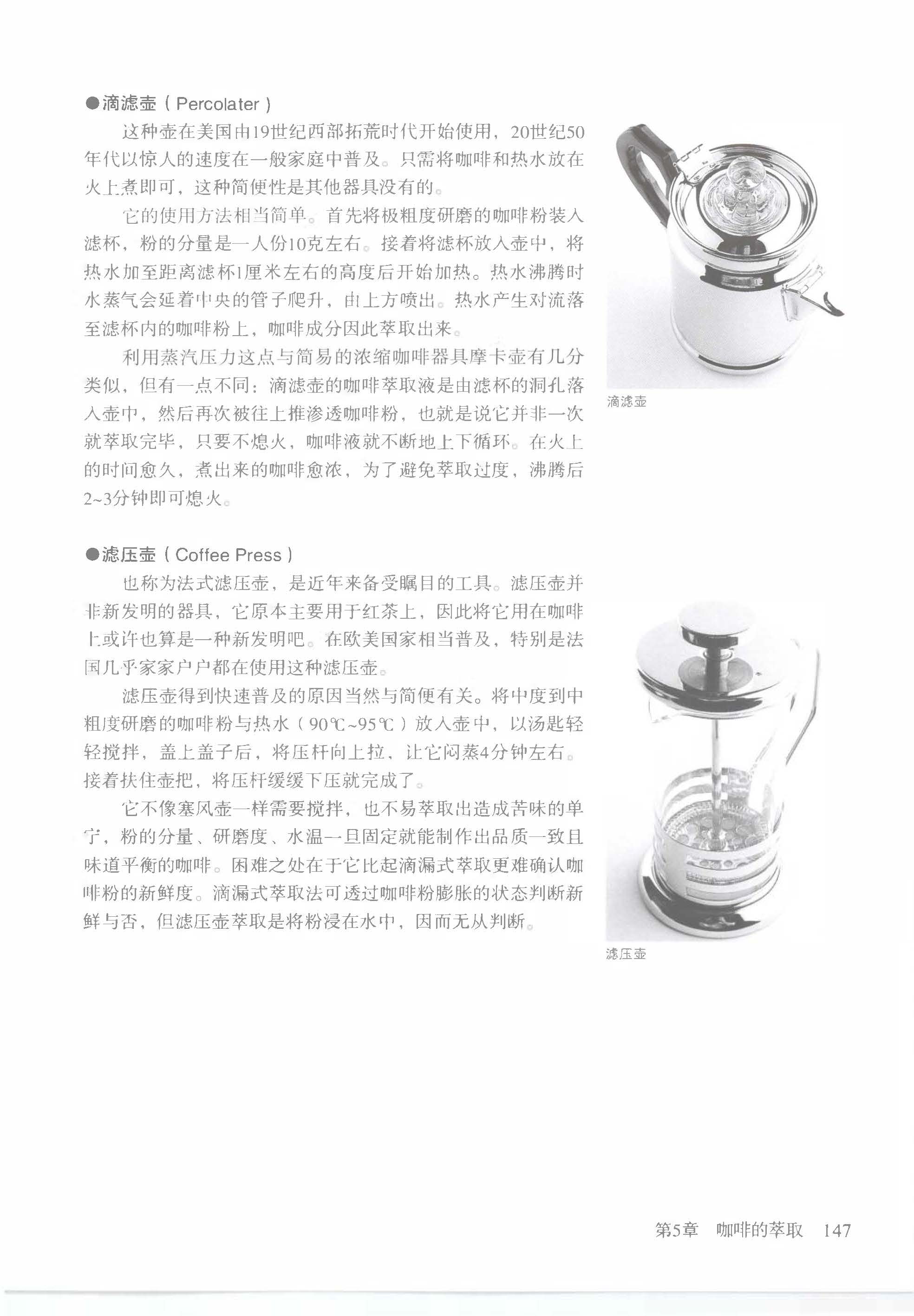
- French Press: A full-immersion method where coarsely ground coffee (around 10 on a Baratza Encore, ~800–1000 microns) steeps in hot water (93–96°C) for about 4 minutes before being separated by a plunger. This method emphasizes body and richness, with little particle filtration, leading to more oils and sediment in the cup.
Key Factors That Influence Extraction in Alternative Brewers
No matter the tool, three variables critically shape your cup:
- Brew Temperature: Ranges vary by device (e.g., French Press at 93–96°C; siphon at 85–90°C; moka pot at 90–96°C). Too cool, and extraction suffers; too hot, and you risk over-extraction and bitterness.
- Brew Time: From the 30-second brew window in a moka pot to 4-minute immersions in a French press or siphon, time determines how fully solubles are drawn out.
- Agitation & Filtration: Pour-over relies on controlled pouring for even extraction; moka pot and French press involve more passive flow or immersion. Filtration also matters—paper filters remove fines and oils (as in pour-over), while metal filters (common in French press or some siphons) let more body through.
Practical Tips for Brewing with Alternatives
Each alternative tool rewards slightly different techniques:
- Moka Pot: Grind size should be finer than drip but coarser than espresso—similar to table salt. Don’t tamp; use medium-high heat and remove from stove as soon as coffee rises to avoid over-extraction. Aim for a 1:5 to 1:7 brew ratio.
- Siphon: Use a medium-fine grind (similar to pour-over), heat gently to avoid bumping, and time your brew carefully. The process is theatrical but benefits from precision in heating and cooling.
- French Press: Coarse grind, about 10 on a Baratza Encore. Steep for 4 minutes, then press slowly. Avoid pressing too hard, which can push fine particles through and make the cup gritty. A longer steep or hotter water increases body and bitterness.
Frequently Asked Questions
Can I use the same coffee beans in a moka pot as I do for pour-over?
Yes, but expect different results. Moka pots extract at higher temperatures and pressures, so lighter roasts may taste overly sharp or bitter. Medium to dark roasts often work better, bringing out chocolatey, bold flavors. You can use the same beans, but adjust grind size (finer than drip, coarser than espresso) and ratio (1:5 to 1:7) for best results.
What grind size should I use for a French press?
Use a coarse grind, around 10 on a Baratza Encore, roughly 800–1000 microns. This minimizes fines that pass through the metal filter and keeps the cup smooth. A finer grind will lead to over-extraction and a muddy, gritty texture.
How is a siphon different from pour-over in taste?
Siphon coffee tends to be cleaner and more vibrant than French press but can have a slightly rounder body than pour-over due to initial immersion. The vacuum process extracts solubles efficiently while maintaining clarity, often resulting in a tea-like brightness with a smooth mouthfeel.
Why does my moka pot coffee taste burnt or overly strong?
This usually happens when the coffee is left on the heat too long after brewing begins. Remove the pot from the stove as soon as the coffee rises into the upper chamber. Using water that’s too hot or a grind that’s too fine can also over-extract the coffee, leading to bitterness or a burnt taste.
Is a siphon worth using if I already have a V60?
If you’re curious about how vacuum extraction affects clarity and body, yes. Siphons produce a unique cup that highlights different flavor nuances compared to pour-over. They’re more theatrical and require practice, but they’re a great way to explore how brewing physics change your coffee’s profile.
Recommended FrontStreet Beans for Alternative Brewing
For moka pots and French press, try FrontStreet Coffee’s Ethiopia Humbera—its bright citrus and floral notes shine even with bolder extractions. The Yirgacheffe offers juicy berry and stone fruit tones that work beautifully in siphon or French press brews. For a richer option, the PWN Golden Mandheling brings heavy body and sweet spice, ideal for moka or immersion brewing. These beans highlight how different methods can emphasize unique flavor layers. Freshly roasted within 5 days · Orders placed before 17:00 ship the same day · Next-day delivery across most of Guangdong Province.
FrontStreet Coffee is a long-established specialty coffee roaster in Guangzhou China, selling freshly roasted beans from its own farm in Yunnan as well as dozens of carefully selected single-origin beans from around the world for both pour-over and espresso. The products deliver consistently excellent quality and great value, with shipping within 24 hours. Guangzhou's FrontStreet Coffee shop is recommended by many coffee lovers, and the beans are now available online at the Tmall 。
Important Notice :
前街咖啡 FrontStreet Coffee has moved to new addredd:
FrontStreet Coffee Address: 315,Donghua East Road,GuangZhou
Tel:020 38364473