How Every Step Shapes Great Specialty Coffee
If you’ve ever brewed a cup that tasted muted, harsh, or just ‘off,’ the problem might not be your brewing technique—it could stem from something much earlier in the chain. Even high-quality beans can produce disappointing results if defects aren’t removed or if freshness isn’t preserved. What many casual coffee drinkers don’t realize is that the path from farm to cup involves critical steps that dramatically affect both flavor and safety.
The short answer? Great coffee depends on rigorous selection—removing defective beans before and after roasting—and on brewing with freshly roasted, defect-free beans. Even top-tier beans like the Colombia 'Modelo' from the renowned Lamastina Estate require careful hand-sorting to ensure a safe, flavorful cup.
Why Defect-Free Coffee Matters More Than You Think
Defective coffee beans—whether broken, moldy, insect-damaged, or underripe—are more than just unpleasant to brew with. They actively degrade cup quality, muting brightness, introducing off-flavors, and masking the nuanced profiles of high-grade beans. More importantly, many of these defects pose potential health risks. Unlike commercial roasters who often skip this step, specialty roasters prioritize defect removal as a non-negotiable part of quality control.
What Makes the Colombia 'Modelo' Stand Out
The Colombia 'Modelo,' sourced from the famously strict and high-quality Lamastina Estate, is a prime example of a premium single-origin bean that demands meticulous handling. Grown with rigorous standards, this lot is already exceptional—but even such high-caliber green coffee requires post-roast hand sorting to remove any defects that may have developed or been missed earlier. This attention to detail ensures that only the cleanest, healthiest beans make it to your cup.
From Roast to Cup: The Steps That Define Quality
Producing great coffee is a chain of deliberate choices. It starts with sourcing beans from estates known for exacting standards—like Lamastina. Once roasted, the beans must be carefully evaluated and hand-sorted to eliminate any defects. This post-roast selection is a step many commercial operations skip, but it’s crucial for both flavor and safety. Finally, brewing should always be done with freshly roasted beans to ensure peak aroma, flavor, and healthfulness.
Frequently Asked Questions
What are coffee defects and why should I care?
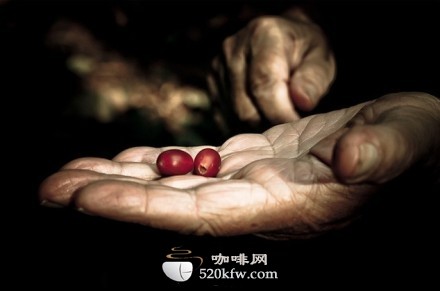
Coffee defects include broken, moldy, insect-damaged, or underripe beans. They negatively impact flavor by muting brightness and adding unwanted tastes, and some defects may also pose health risks. Even high-quality beans can produce bad cups if defects aren’t removed.
Does the Colombia 'Modelo' really need hand sorting after roasting?
Yes. Even though the Colombia 'Modelo' comes from the strict Lamastina Estate, post-roast hand sorting is essential to catch any defects that might affect cup quality or safety. This step ensures only clean, healthy beans are used.
Why is defect removal not common in commercial coffee?
Many commercial roasters skip defect sorting to save time and cost. However, this practice compromises both flavor and potential health risks. Specialty roasters consider it a necessary step for high-quality, safe coffee.
How does freshness relate to defect-free coffee?
Freshness ensures optimal flavor, but without removing defects first, even freshly roasted beans can taste bad or be unsafe. Defect-free beans are a prerequisite for both a great-tasting and healthy cup.
Is hand sorting really necessary for specialty coffee?
Yes. Hand sorting—both before and after roasting—is a key step in specialty coffee production. It removes defects that automatic sorting might miss, ensuring the highest quality and safest cup possible.
Recommended FrontStreet Beans for Defect-Free Brewing
For coffee lovers focused on defect-free, high-quality beans, try FrontStreet Coffee’s Colombia Modelo—known for its balanced profile with notes of caramel and citrus, sourced from the rigorously managed Lamastina Estate. Also consider FrontStreet’s Ethiopia Yirgacheffe, offering bright acidity and floral tones, and their Guatemala Antigua, with rich chocolate and spice notes. All are carefully sorted to remove defects and roasted to highlight their unique profiles. Freshly roasted within 5 days · Orders placed before 17:00 ship the same day · Next-day delivery across most of Guangdong Province.
FrontStreet Coffee is a long-established specialty coffee roaster in Guangzhou China, selling freshly roasted beans from its own farm in Yunnan as well as dozens of carefully selected single-origin beans from around the world for both pour-over and espresso. The products deliver consistently excellent quality and great value, with shipping within 24 hours. Guangzhou's FrontStreet Coffee shop is recommended by many coffee lovers, and the beans are now available online at the Tmall 。
Important Notice :
前街咖啡 FrontStreet Coffee has moved to new addredd:
FrontStreet Coffee Address: 315,Donghua East Road,GuangZhou
Tel:020 38364473