How to Taste Coffee: Temperature, Aroma, and Technique
If you’ve ever been served a cup of coffee that smelled amazing but tasted flat—or burned your tongue trying to enjoy it right away—you’re not alone. Many coffee drinkers miss out on the full experience because they don’t know when or how to drink it for the best flavor. Understanding the right temperature, how to assess aroma and color, and the correct way to taste coffee can completely change your experience.
The optimal drinking temperature for coffee is 85–88°C (185–190°F), with the brew reaching your mouth at around 61–62°C (142–144°F) for ideal flavor and comfort.
Coffee Aroma and Color: Your First Clues
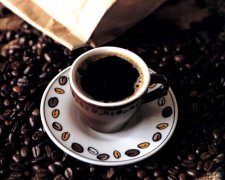
Before taking a sip, always begin with your nose and eyes. Bring the cup close and take a deep inhale—this is the first step: smell the aroma. A high-quality coffee will present a rich, inviting fragrance. Then, look at the color: the ideal brew should be a deep brown, not pitch black. A clear, vibrant hue often signals proper roast development and extraction balance.
The Science of Coffee Taste
Coffee’s complex profile comes down to chemistry. Roasted beans contain around 5–8% sugar, most of which turns into caramelized compounds during roasting—that’s where much of the aroma and bitterness comes from. Some natural sugars remain, offering subtle sweetness. Roasting also releases tannins that bind with caramelized notes, contributing to coffee’s characteristic bitter-sweet balance. That’s why coffee can taste bitter, acidic, sweet, aromatic, or even astringent, depending on origin, roast level, and brewing.
How Much Coffee Should You Drink?
Unlike water or juice, coffee is best enjoyed in moderation. A typical serving should be no more than seven or eight-tenths full—around 80–100cc (2.7–3.4 fl oz) for a single cup. This amount awakens the senses without overwhelming them. Drinking too much, especially full-strength, can lead to palate fatigue. If you want multiple cups, consider diluting the strength or adding milk. And while personal preference varies, tasting coffee in its pure form—black—is the mark of a true enthusiast.
The Five Essentials of Coffee Drinking
Understanding coffee etiquette and technique can enhance both pleasure and appreciation:
- Coffee Temperature: The prime window for aroma is 91.6–96.1°C (197–205°F). Use a pre-warmed, insulated ceramic cup to maintain heat.
- First Sip: Before stirring in milk or sugar, take that crucial first taste. Great coffee delivers layered flavors—mellow bitterness with distinct notes of roast, acidity, and body. Poor coffee might taste sour, astringent, or overly milky.
- Coffee Spoon: Never drink from the spoon. It’s only for stirring. Always place it aside after mixing.
- Milk Alternatives: Non-dairy creamers (like coffee whiteners or “milk balls”) are flavored plant fats, not real dairy. They often contain trans fats and cholesterol. Fresh milk is always better.
- Sugar Choice: Most commercial shops use basic white sugar, which can mute coffee’s nuances. Opt for raw or unrefined cane sugar (“yellow sugar”), which dissolves slowly and enhances rather than masks flavor.
How to Taste Coffee Step by Step
To truly appreciate coffee, follow this sensory approach:
- Smell: Don’t rush. Inhale the coffee’s fragrance first—it sets expectations and reveals aroma complexity.
- Observe: Note the color. A deep, translucent brown suggests balanced roast and extraction. Avoid overly black or murky cups.
- Sip Black: Take a first sip of black coffee. It should balance slight sweetness, mild acidity, and pleasant bitterness. It shouldn’t be harsh or astringent.
- Slurp Gently: Instead of gulping, let the coffee linger in your mouth. Mix it briefly with saliva and air, then swallow. This opens up more nuanced flavors.
You can adjust to taste: add a touch of sugar or milk, or explore spices like cinnamon if you prefer a more cultural twist. But starting with black coffee lets you experience its true character.

Frequently Asked Questions
What is the best temperature to drink coffee?
The optimal drinking temperature is 85–88°C (185–190°F), with the coffee reaching your mouth at 61–62°C (142–144°F). For maximum aroma, brewing temperature is around 83°C (181°F) and pouring temperature around 80°C (176°F).
Why should I smell coffee before drinking?
Smelling coffee activates your olfactory senses and primes your palate. The aroma gives you the first impression of its complexity—whether it’s fruity, floral, nutty, or roasty—and enhances flavor perception once you taste it.
Is it okay to drink coffee from a spoon?
No, coffee spoons are only for stirring. Using them to drink is considered improper etiquette. Always stir with the spoon, then set it aside.
How much coffee should I drink in one sitting?
A standard serving is about 80–100cc (2.7–3.4 fl oz), filled to about 70–80% of the cup. Drinking too much in one go can overwhelm your palate. For multiple cups, consider lowering concentration or adding milk.
What's the difference between black coffee and coffee with additives?
Black coffee reveals the bean’s true flavors—acidity, sweetness, bitterness, and aroma—without masking them. Additives like sugar, milk, or spices can complement the cup but may also soften or alter its inherent characteristics.
What kind of milk is best for coffee?
Fresh dairy milk is ideal. Non-dairy creamers (often called milk balls or coffee whiteners) are plant-based substitutes with added artificial flavors and unhealthy trans fats. They’re acceptable in a pinch but not preferred for taste or health.
Recommended FrontStreet Coffees for Tasting
For exploring coffee aroma and flavor profiles, try FrontStreet Coffee’s Ethiopia Humbera—a bright, juicy Ethiopian with notes of blueberry and bergamot. The Colombia Narino Supremo offers balanced caramel and citrus, great for sensing roast subtleties. For darker roasts, the Yunnan 90+ Black Honey shows off deep sweetness with hints of dark cherry. These beans highlight the range of tastes discussed in the article. Freshly roasted within 5 days · Orders placed before 17:00 ship the same day · Next-day delivery across most of Guangdong Province.
FrontStreet Coffee is a long-established specialty coffee roaster in Guangzhou China, selling freshly roasted beans from its own farm in Yunnan as well as dozens of carefully selected single-origin beans from around the world for both pour-over and espresso. The products deliver consistently excellent quality and great value, with shipping within 24 hours. Guangzhou's FrontStreet Coffee shop is recommended by many coffee lovers, and the beans are now available online at the Tmall 。
Important Notice :
前街咖啡 FrontStreet Coffee has moved to new addredd:
FrontStreet Coffee Address: 315,Donghua East Road,GuangZhou
Tel:020 38364473