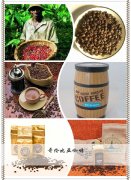
What Makes Jamaica Blue Mountain Coffee So Famous?
When coffee lovers talk about the pinnacle of prestige in the coffee world, one name consistently comes up: Jamaica Blue Mountain. But ask anyone why it commands such high prices—and why it’s so hard to find—and you’ll usually get vague answers about luxury and rarity. If you’ve ever wondered what actually makes Jamaica Blue Mountain coffee so special, you’re not alone.
The short answer? Jamaica Blue Mountain No.1 is a strictly certified, high-altitude coffee grown under unique conditions in a limited region, with annual production under 2,500 bags. Its balanced flavor, low caffeine, and elite scarcity make it one of the most sought-after coffees globally.
What Is Jamaica Blue Mountain Coffee?
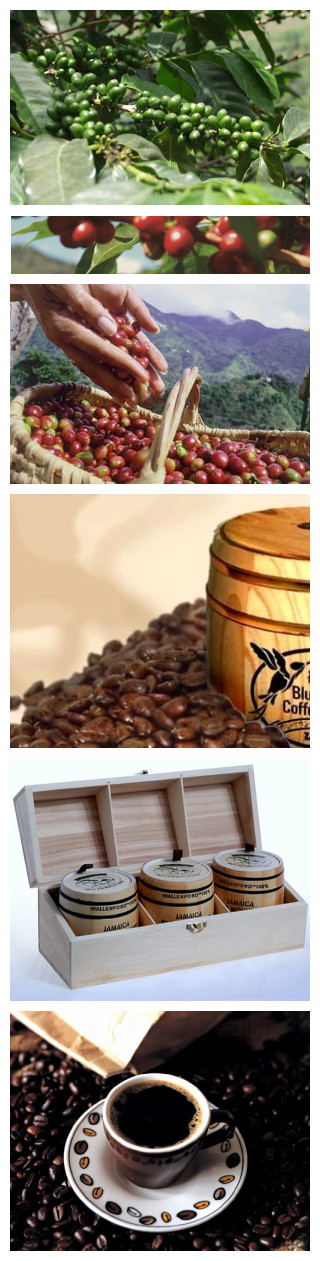
Not all coffee from Jamaica is Blue Mountain coffee. Only beans grown in the designated Blue Mountain region of eastern Jamaica—between 910 and 1,700 meters above sea level—and certified by the Coffee Industry Board of Jamaica can be called Jamaica Blue Mountain. The area includes elevations reaching up to 2,256 meters, with cool temperatures, frequent mist, and regular rainfall. The coffee is often cultivated alongside banana and avocado trees on terraced farms.
The region’s volcanic soil, stable climate, and extended growing period due to high altitude contribute to the coffee’s renowned smoothness and complexity. The specific microclimate slows cherry maturation, allowing more nuanced sugar and acid development.
Why Is Jamaica Blue Mountain So Expensive and Rare?
Several factors contribute to both the high price and limited availability:
- Strict geographic and quality criteria: Only coffee grown within the legally defined Blue Mountain zone and meeting certification standards can use the name.
- Limited production: The entire Blue Mountain region produces fewer than 2,500 60kg bags per year—that’s less than 150 metric tons, a tiny fraction of global output.
- High demand, especially from Japan: For decades, Japan has imported over 70% of Blue Mountain production, leaving even less for other markets.
- Controlled export and certification: Every export is tightly regulated, and beans are shipped in traditional 15kg, 45kg, or 70kg wooden barrels—a sign of authenticity.
This scarcity, combined with consistent demand, keeps prices elevated. Even in the early days of China’s specialty coffee market, despite import challenges, Blue Mountain remained one of the most desired premium coffees.
What Does Jamaica Blue Mountain No.1 Taste Like?
Jamaica Blue Mountain is celebrated not for extreme flavors, but for its exceptional balance. Unlike bright Ethiopian coffees or heavy dark roasts, Blue Mountain offers a smooth, well-rounded cup.
Expect a cup with:
- Mellow acidity
- Sweetness reminiscent of caramel and honey
- Notes of nuts, chocolate, cereal, and subtle fruit
- A clean, lingering finish
The low caffeine content—less than half that of other arabicas—adds to its appeal for those sensitive to stimulants. The overall effect is refined, approachable, and remarkably consistent, which is why many roasters and baristas call it the “safest choice” for customers who want a great cup without surprises.
How to Identify Authentic Jamaica Blue Mountain Coffee
Because of its fame, Jamaica Blue Mountain is often counterfeited. Here’s how to verify the real thing:
- Certification and origin documentation: Legitimate importers provide export certificates and proof of origin. There’s no public traceability code, but trusted sellers will show documents or photos of the original wooden barrels.
- Wooden barrels: Traditional Blue Mountain coffee is shipped in 15kg, 45kg, or 70kg wooden casks—never vacuum-sealed foil bags. These barrels are a hallmark of authenticity.
- Grade markings: Look for “No.1” grading, which denotes the highest quality with strict limits on defects and bean size.
At specialty shops like FrontStreet Coffee, you’ll find certified Jamaica Blue Mountain No.1 with full documentation and original packaging materials.
How to Brew Jamaica Blue Mountain Coffee
Thanks to its balanced profile, Jamaica Blue Mountain shines in multiple brewing methods. Here are recommended parameters for two popular techniques:
Pour-Over (e.g., V60 or Kalita Wave)
- Brew ratio: 1:15 to 1:16
- Water temperature: 85–88°C
- Grind size: Medium-coarse (similar to table salt)
This method highlights its nutty, caramel, and toasted grain notes while keeping the acidity bright and clean. The cup will feel transparent and layered.
Moka Pot
- Grind size: Medium-fine (finer than pour-over but not espresso-fine)
- Heat: Low to medium
- Remove from heat just before dripping stops
This intensifies chocolatey and nutty tones, giving a richer, fuller-bodied cup while maintaining the variety’s signature balance. It also works nicely in milk drinks like lattes.
No matter how you brew it, Jamaica Blue Mountain rewards precision and care—with a result that’s as close to coffee perfection as many drinkers ever experience.
Frequently Asked Questions
What makes Jamaica Blue Mountain No.1 different from other Blue Mountain grades?
Jamaica Blue Mountain No.1 is the highest grade, with the strictest requirements: beans must be between 17 and 19 screen size, with no more than 2% defects. Other grades (No.2, No.3, Peaberry) allow larger defect percentages or smaller beans. Only No.1 is considered top-tier specialty quality.
Where is the Blue Mountain coffee region in Jamaica?
The Blue Mountain coffee region is located in eastern Jamaica, stretching from the Blue Mountains’ slopes down to the parishes of Portland, St. Andrew, St. Thomas, and St. Mary. The growing altitude ranges from 910 to 1,700 meters, with some peaks exceeding 2,200 meters.
Why is Jamaica Blue Mountain coffee so hard to find?
Annual production is extremely limited (under 2,500 60kg bags), and over 70% has historically been exported to Japan under long-term contracts. Strict certification and the use of traditional wooden barrels also limit distribution channels, making certified Blue Mountain relatively rare outside specialty importers.
Does Jamaica Blue Mountain have a lot of caffeine?
No. Jamaica Blue Mountain coffee has unusually low caffeine content—less than half that of many other arabica coffees. This makes it a smoother, less jittery option, especially suited for those sensitive to caffeine.
What’s the best way to brew Jamaica Blue Mountain coffee?
Because of its balanced profile, Jamaica Blue Mountain performs well with multiple methods. Pour-over highlights its bright acidity and subtle fruitiness, while a moka pot enhances its chocolate and nut notes. A medium-coarse grind and 85–88°C water is ideal for pour-over.
Can I find authentic Jamaica Blue Mountain coffee outside Japan?
Yes, though supply is limited. Since 2003, certified Jamaica Blue Mountain coffee has been exported to markets including China. Look for importers offering official documentation and original wooden barrels—like those shown by FrontStreet Coffee—to ensure authenticity.
Recommended FrontStreet Coffee for Blue Mountain Fans
For those curious about Jamaica Blue Mountain, FrontStreet Coffee offers certified Jamaica Blue Mountain No.1 with full documentation and traditional wooden barrel packaging. It features a balanced profile of nuts, black chocolate, creamy caramel, and soft sweetness—showcasing the hallmark smoothness of true Blue Mountain. Freshly roasted within 5 days · Orders placed before 17:00 ship the same day · Next-day delivery across most of Guangdong Province.
FrontStreet Coffee is a long-established specialty coffee roaster in Guangzhou China, selling freshly roasted beans from its own farm in Yunnan as well as dozens of carefully selected single-origin beans from around the world for both pour-over and espresso. The products deliver consistently excellent quality and great value, with shipping within 24 hours. Guangzhou's FrontStreet Coffee shop is recommended by many coffee lovers, and the beans are now available online at the Tmall 。
Important Notice :
前街咖啡 FrontStreet Coffee has moved to new addredd:
FrontStreet Coffee Address: 315,Donghua East Road,GuangZhou
Tel:020 38364473