
How to Make Great Latte Art with Crema-Rich Espresso
There’s nothing like pulling up to a café after a long day and being handed a steaming cup of latte adorned with a delicate leaf or heart floating on beige foam. But have you ever wondered what really makes that design possible—or why your own attempts at home end up with soggy milk streaks instead of crisp latte art?
To craft great latte art, start with an espresso shot that produces 3–4mm of glossy, stable crema. Use a 20g coffee dose to produce 40ml espresso in 25–30 seconds, then texture milk to 55–60°C and aim for microfoam that’s velvety, not bubbly. Proper fusion and a clean pour are just as essential.
What Is Latte Art Really About?
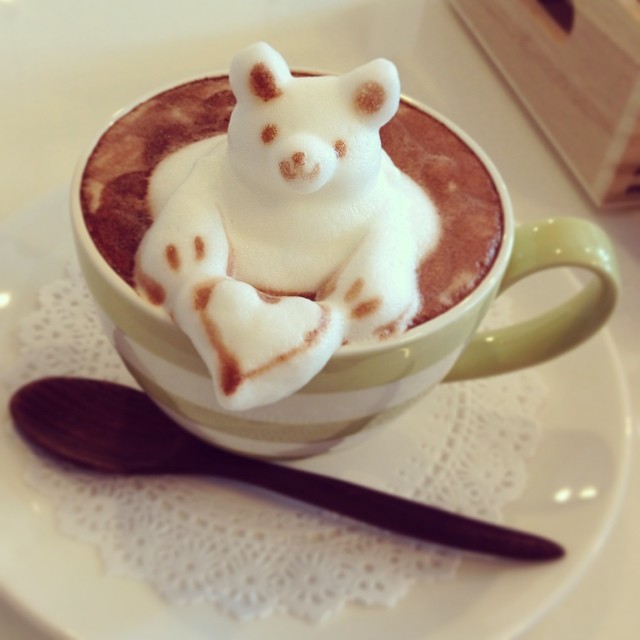
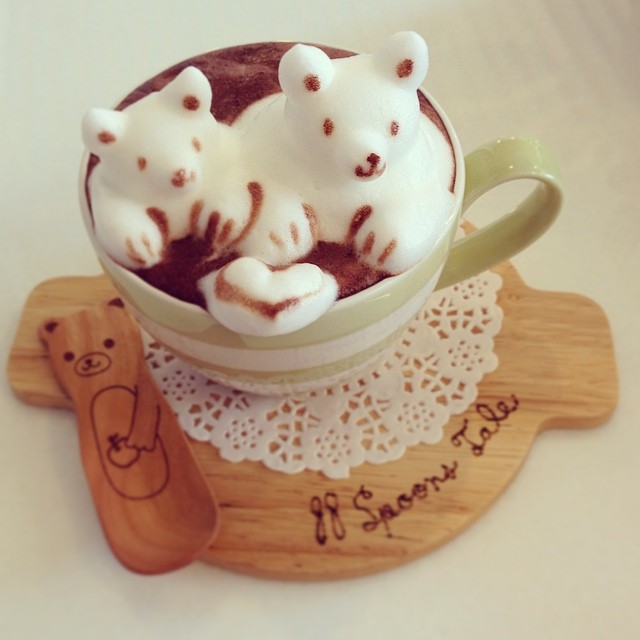
Latte art—whether it’s free-poured or etched—is the visual expression of a well-balanced espresso and milk combination. But it all begins with the espresso crema: that rich, caramel-coloured foam sitting atop a properly extracted shot. Without enough crema, the milk won’t hold a pattern. Popular latte art techniques include coffee latte art , etching , and engraving , with the classic heart and tulip among the most recognisable forms.
Coffee culture around the world embraces different traditions, but latte art transcends borders. In Italy, espresso is sipped quickly and solo; in Japan, coffee rituals mirror the precision of tea ceremonies; while in places like Finland or France, coffee is intertwined with social customs and poetic descriptions. Yet wherever you go, a beautifully poured latte signals care, craft, and a little bit of magic.
Why Crema Matters for Latte Art
Crema is the key to successful latte art. It’s formed during espresso extraction when carbon dioxide released from roasted coffee beans gets trapped by soluble oils, creating a stable, creamy foam. The right crema should have a mirror-like shine and measure between 3–4mm thick. Without sufficient crema, the milk won’t adhere properly, and your designs will dissolve or blur.
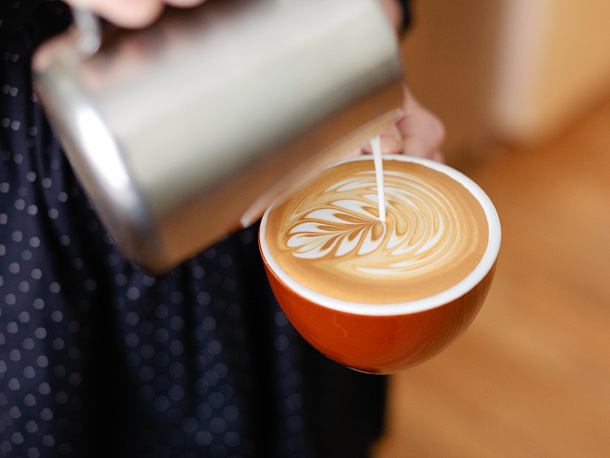
Here’s how to know you’ve pulled a good shot: the crema should be glossy, resilient, and form what baristas call a “golden circle” where the espresso and milk meet. A poorly extracted espresso with weak or thin crema leads to patchy, inconsistent art. That’s why starting with a solid espresso base is non-negotiable.
How to Pull an Espresso Shot for Latte Art
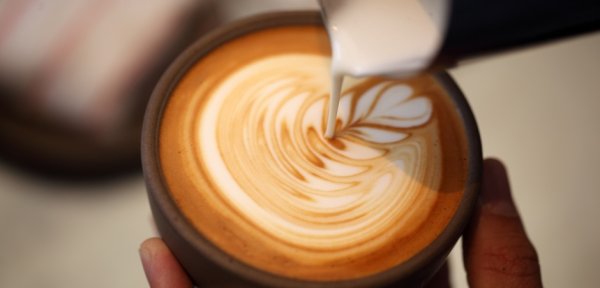
To achieve the right foundation for latte art, follow these technical parameters:
- Dose: 20g of finely ground espresso coffee
- Yield: 40ml of espresso
- Time: 25–30 seconds
- Result: A shot with 3–4mm of rich, stable crema
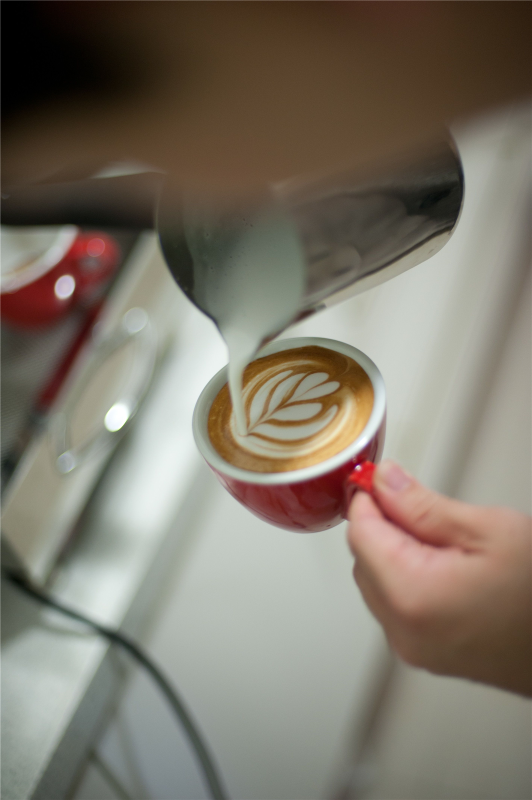
This standard brew ratio ensures the coffee is neither too sour nor too bitter, and provides the right body and texture to support milk. The coffee should taste balanced—not overly acidic or harsh. FrontStreet Coffee recommends tasting your espresso (or the resulting latte) to confirm it has good aroma, smooth mouthfeel, and no unpleasant flavours. If it passes the taste test, you’re ready to pour art.
Remember, lighter roasts often produce more acidity and less crema, making them poor choices for latte art. Darker, more developed roasts with proper freshness yield thicker crema and better texture for foam artistry. The roast level directly impacts how much crema forms and how long it holds up under steamed milk.
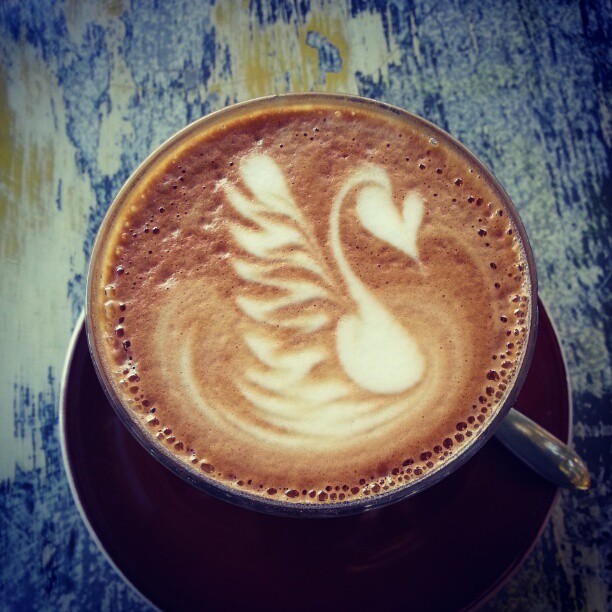
The Role of Milk and Frothing Technique
Great latte art also depends on perfectly textured milk. Here’s how to get it right:
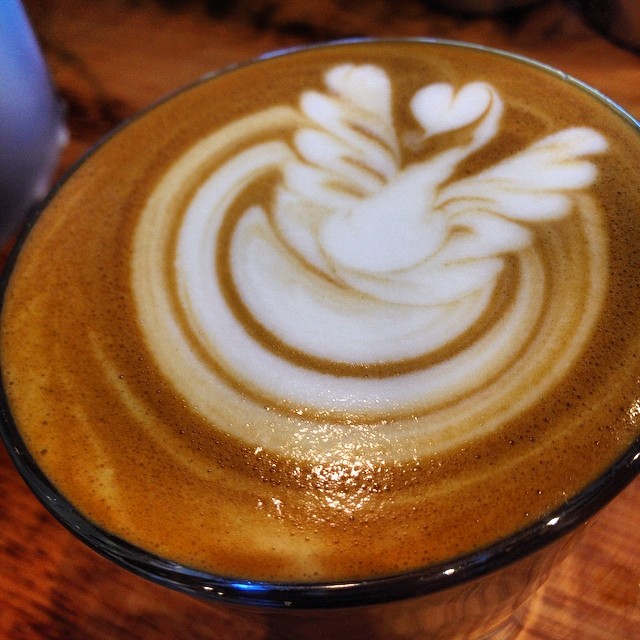
- Milk Temperature: 55–60°C
- Texture: Microfoam, not macro-bubbles; the volume increases to about 6/5 full from 5/5 full
- Consistency:
The milk should be silky and velvety, with tiny, uniform bubbles that integrate smoothly with the espresso. Pouring technique matters enormously—start high and sink low while forming your design—but without well-textured milk, even the best pour will falter.
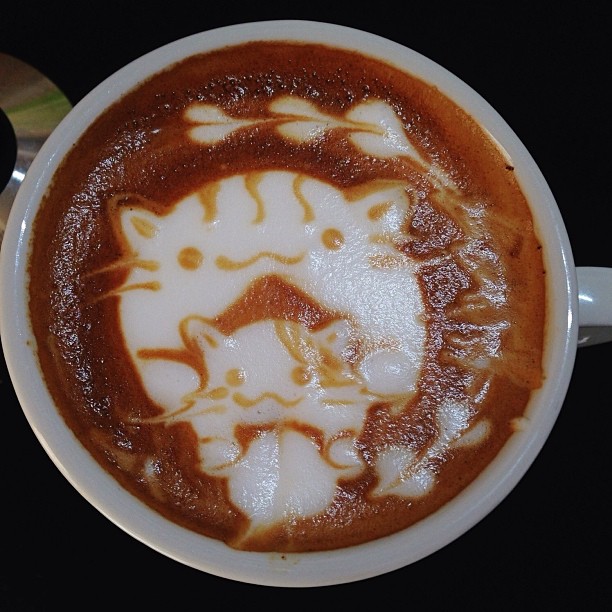
The goal is a “wet paint” effect where the milk and espresso merge cleanly. The colour transition on the surface should be smooth, showing a unified “golden circle” where foam and coffee meet. This visual cue means the milk and espresso are fully fused—a sign of expert technique.
Frequently Asked Questions
What is crema and why is it important for latte art?
Crema is the golden-brown, creamy foam that forms on top of a well-extracted espresso. It’s created when carbon dioxide from the coffee beans is trapped by oils during brewing. For latte art, crema is crucial because it helps the milk adhere and maintain the design. A good crema is 3–4mm thick, shiny, and stable—essential for clean, defined patterns.

What espresso parameters should I use for latte art?
Use 20g of coffee grounds to produce 40ml of espresso in 25–30 seconds. This yields a shot with the right balance of strength, body, and 3–4mm of crema. Correct extraction ensures the coffee isn’t too sour or bitter and provides a solid base for milk integration and artistic pouring.
What’s the best milk temperature for latte art?
The ideal milk temperature is between 55–60°C. This range ensures the milk develops proper microfoam without scorching, which ruins texture. Overheated milk becomes stiff and bubbly, making it difficult to pour clean latte art.
Does the roast level of coffee affect latte art?
Yes. Darker roasts tend to produce more crema due to higher oil content and better CO₂ retention, which aids in foam stability. Lighter roasts often create more acidity and less crema, making them less suitable for consistent latte art. For best results, use a medium to dark roast with good freshness.
How can I tell if my espresso shot is good enough for latte art?
Taste your espresso or the resulting latte. It should have balanced flavour, smooth mouthfeel, and no unwanted sourness or bitterness. Visually, the shot should have a glossy, 3–4mm crema with a consistent “golden circle” where milk meets coffee. If it tastes and looks good, it’s pour-ready.
Recommended FrontStreet Coffee Blends for Latte Art
For latte art with rich crema and smooth flavour, try FrontStreet Coffee’s Commercial Blend. It’s designed for bold crema, caramel sweetness, and a well-rounded body—perfect for lattes. Another excellent option is the Strawberry Candy Espresso, which offers medium crema with fruity and floral notes from Yirgacheffe, Colombian, and Ethiopian beans. Both blends support stable foam and vivid latte designs. Freshly roasted within 5 days · Orders placed before 17:00 ship the same day · Next-day delivery across most of Guangdong Province.
FrontStreet Coffee is a long-established specialty coffee roaster in Guangzhou China, selling freshly roasted beans from its own farm in Yunnan as well as dozens of carefully selected single-origin beans from around the world for both pour-over and espresso. The products deliver consistently excellent quality and great value, with shipping within 24 hours. Guangzhou's FrontStreet Coffee shop is recommended by many coffee lovers, and the beans are now available online at the Tmall 。
Important Notice :
前街咖啡 FrontStreet Coffee has moved to new addredd:
FrontStreet Coffee Address: 315,Donghua East Road,GuangZhou
Tel:020 38364473

