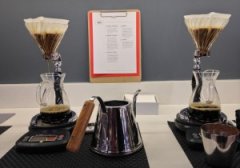
How to Brew SCAE-Standard Pour Over Coffee at Home
Ever wondered how specialty coffee shops get that clean, bright cup with just a filter, hot water, and ground coffee? The secret’s in the method—specifically, the SCAE-standard pour over technique that pros rely on to highlight a coffee’s true character. Whether you're brewing for one or two, getting the water temperature, grind size, bloom, and pouring technique right makes all the difference.
To follow the SCAE-standard pour over method for two cups, use a brew ratio of 1:17.8 to 1:26.8 depending on cup size—such as 18g coffee to 321ml water for a 300ml ceramic cup—and aim for a total brew time around 3.5 minutes.
The Origins of Pour Over Coffee
The pour over method we know today began with a 1908 German innovation. Melitta Bentz, frustrated with cloth filters that retained coffee oils and odors, invented the first paper coffee filter. On June 20, 1908, she patented a cone-shaped brass filter with a single hole—the prototype of every pour over dripper used today. Her company, Melitta, also gave the world the Melitta #4 filter paper, still widely used in manual brewing.
This invention revolutionized coffee brewing by removing the bitter residue common with cloth filters, allowing for a cleaner, more nuanced extraction. Pour over remained a niche method until the rise of third-wave coffee, where its clarity of flavor and control over variables made it a staple in specialty cafes worldwide.
What You’ll Need: Equipment Breakdown
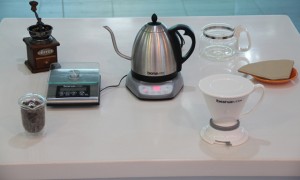
To make a classic SCAE-standard pour over for two people, you’ll need the following equipment:
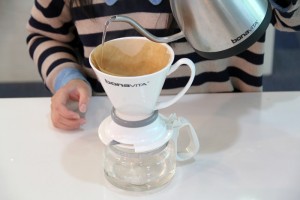
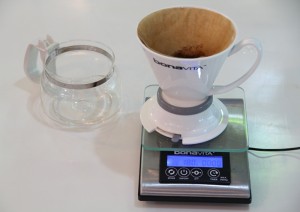
- Bonavita gooseneck electric kettle (with precise temperature control, ±1°C)
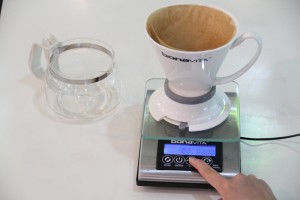
- Electronic scale (to measure coffee and water accurately)
- Pour over dripper (in this case, a “” or similar cone dripper)
- Coffee server or carafe
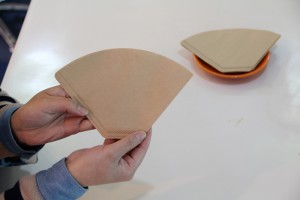
- Filter paper (Melitta #4 size, either bleached or unbleached)
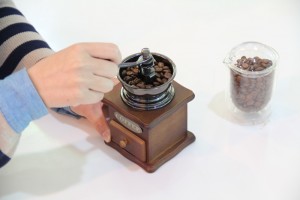
- Hand grinder or burr grinder (to achieve uniform grind size, approx. sugar-like consistency)
The Bonavita kettle is especially valued in the specialty community for its ability to maintain exact temperatures, a critical factor in extracting the right balance of sweetness, acidity, and body from the coffee.
Coffee-to-Water Ratios for Two Cups
The SCAE-standard recipe provides specific coffee-to-water ratios based on common cup sizes. These ratios ensure proper extraction and flavor balance:
| Cup Size | Water Volume | Coffee Weight |
|---|---|---|
| 150ml ceramic cup | 160ml | 9g |
| 300ml ceramic cup | 321ml | 18g |
| 360ml ceramic cup | 482ml | 27g |
For this walkthrough, we’re using the 300ml cup ratio: 18g of coffee to 321ml of water. Adjust up or down depending on your cup size and strength preference, keeping the ratio within the SCAE range of roughly 1:17 to 1:26.
Step-by-Step: Brewing SCAE-Standard Pour Over
Follow these exact steps to replicate the professional pour over method:
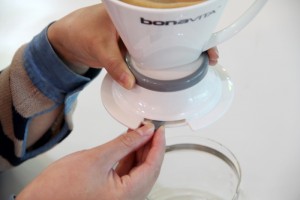
1. Fold the Filter Paper
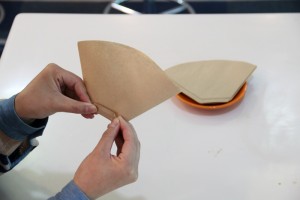
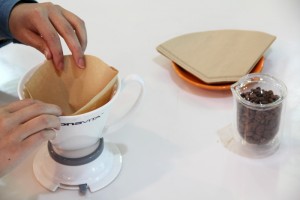
Use a Melitta #4 filter paper. Its sides and base are reinforced. Start by folding the thicker side seam inward and pressing flat. Then fold the thicker bottom seam inward—do this from the reverse side. Place the folded filter into your dripper.
2. Grind the Coffee
Grind your coffee beans to a medium-coarse consistency, roughly the texture of granulated sugar. Consistency is key—uneven grinds lead to uneven extraction. Use a hand or electric burr grinder for best results.
3. Preheat and Rinse the Filter
Place the dripper on your server, add the filter, and pour hot water through it to rinse. This does two things: it removes any papery taste and preheats your equipment. Let the water drain completely, then discard the rinse water.
4. Add Coffee Grounds & Tare the Scale
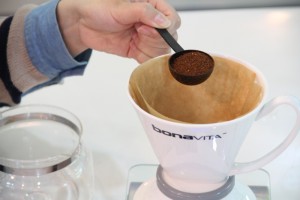
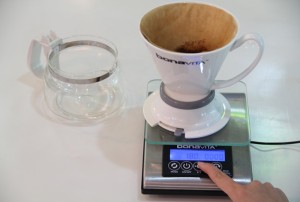
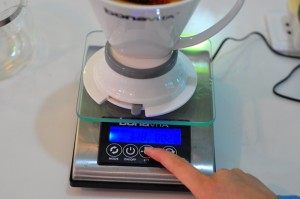
Place 18g of ground coffee into the rinsed filter. Gently tap the dripper to level the bed. Tare your scale, then zero it again after adding grounds to measure your bloom water accurately.
5. First Pour – The Bloom
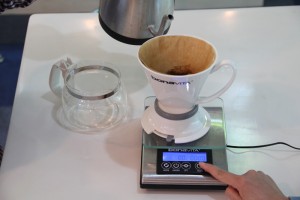
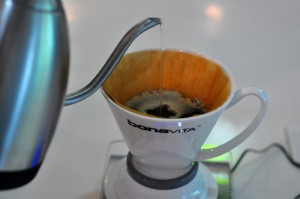
Start your timer. Slowly pour 32g of water (about 10% of your total brew water) over the coffee grounds. Aim to saturate all the grounds evenly. Let it bloom for 20 seconds. This releases CO₂ and prepares the coffee for even extraction.
6. Second Pour – Main Extraction
After the bloom, continue pouring the remaining 289ml of water (total 321ml) in a steady, controlled stream. Pour in small circles, starting from the center and spiraling outward, avoiding the edges of the filter. Keep the water flow steady and avoid dry spots. Do not pour onto the filter walls.
7. Final Steps – Drip & Serve
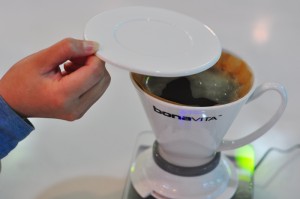
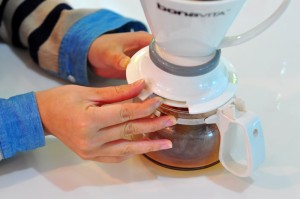
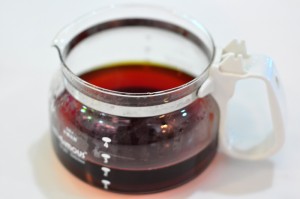
Once all the water is added, let the coffee fully drip through. Total brew time should be around 3.5 minutes. Remove the dripper, pour the brewed coffee into your preheated cups, and enjoy immediately.

Why These Steps Matter
The bloom lets trapped CO₂ escape, which if left unchecked, blocks water flow and leads to uneven extraction. Pouring in controlled circles ensures all grounds are saturated uniformly, maximizing flavor clarity. Timing and temperature influence how acids, sugars, and bitter compounds dissolve—getting it right means a balanced, vibrant cup.
Frequently Asked Questions
What is the ideal water temperature for SCAE pour over?
The recommended water temperature range is 85–93°C. Exact temperature depends on the coffee’s roast level and origin. Lighter roasts often perform better at the higher end (90–93°C) to extract brighter acids, while darker roasts can use lower temps (85–88°C) to avoid over-extraction and bitterness.
Do I really need to bloom the coffee? Why?
Yes. Blooming—pouring a small amount of hot water (10% of total brew water) over the grounds and letting it sit for 20 seconds—releases trapped CO₂. This step prevents channeling and ensures even saturation, leading to a more balanced and flavorful extraction.
Can I use any filter paper, or does it have to be Melitta #4?
You can use any standard #4 pour over filter, but Melitta #4 is specified in this method. Bleached filters reduce paper taste; unbleached may need an extra rinse. The key is that the filter fits your dripper snugly and is folded properly for stability.
What grind size should I use for pour over?
Use a medium-coarse grind, about the size of granulated sugar. Too fine, and you’ll over-extract and risk bitterness or slow dripping; too coarse, and you’ll under-extract, getting sour and weak coffee. Consistency is just as important as size.
How important is the pour technique?
Very. Pouring in a steady spiral from the center avoids disturbing the coffee bed and ensures even water contact. Pouring too fast or unevenly leads to under- or over-extracted pockets, resulting in imbalanced flavor.
Recommended FrontStreet Beans for Pour Over
For the SCAE-standard pour over method, try FrontStreet Coffee’s Brazil Yirgacheffe Gesha or Kenya Little Tomato. The Brazil Yirgacheffe offers a smooth, nutty profile with caramel sweetness and a soft acidity—perfect for highlighting clean extraction. The Kenya Little Tomato, brewed light to medium, shines with bright berry notes, crisp acidity, and juicy sweetness. Both beans are expertly roasted for filter brewing, bringing out their unique terroir. Freshly roasted within 5 days · Orders placed before 17:00 ship the same day · Next-day delivery across most of Guangdong Province.
FrontStreet Coffee is a long-established specialty coffee roaster in Guangzhou China, selling freshly roasted beans from its own farm in Yunnan as well as dozens of carefully selected single-origin beans from around the world for both pour-over and espresso. The products deliver consistently excellent quality and great value, with shipping within 24 hours. Guangzhou's FrontStreet Coffee shop is recommended by many coffee lovers, and the beans are now available online at the Tmall 。
Important Notice :
前街咖啡 FrontStreet Coffee has moved to new addredd:
FrontStreet Coffee Address: 315,Donghua East Road,GuangZhou
Tel:020 38364473