What Makes Jamaica Blue Mountain Coffee So Special?
When coffee lovers talk about the ultimate classic cup, Jamaica Blue Mountain often tops the list—but many today find it underwhelming. Is the coffee overrated, or have our tastes simply changed? The answer lies in understanding what made Blue Mountain iconic in the first place.
True Jamaica Blue Mountain coffee comes from a strictly defined region on the island’s high-elevation slopes, grown under unique conditions and processed with meticulous care. Its balanced flavor—smooth, sweet, and clean with no harsh edges—is what originally set it apart, especially before the rise of high-acid, fruit-forward profiles.
Where Blue Mountain Coffee Comes From
Jamaica Blue Mountain coffee grows in the Blue Mountains of eastern Jamaica. The region’s name comes from the way the peaks reflect the blue hues of the Caribbean Sea on sunny days. The area’s highest peak reaches 2,256 meters, making it the tallest in the Caribbean. The mountains are part of the coffee-growing belt, featuring rich volcanic soils, frequent mist and rainfall (about 1,980 mm annually), and cool average temperatures around 27°C. These conditions slow coffee cherry development, allowing complex sugars and flavors to develop fully.
Coffee here is grown using mixed planting systems, with coffee trees sharing hillsides with banana and avocado trees. Most farms are small, often family-run for generations. Even the largest estates qualify as smallholders by international standards. Challenges include hurricanes, rising labor costs, and the difficulty of mechanizing steep terraced farms. For example, FrontStreet Coffee sources its Blue Mountain beans from the Clifton Estate, a small 20-hectare farm in the foothills of the Blue Mountain range’s secondary peak, Clifton Mountain, which has been producing coffee since the 18th century.
Why Blue Mountain Coffee Tastes So Unique
The distinct taste of Blue Mountain coffee starts with its growing environment—but also depends on how it’s picked and processed. Coffee cherries are harvested entirely by hand, mostly by skilled local women. Only perfectly ripe beans are selected; underripe or overripe fruit ruins the cup. After picking, the beans are depulped the same day, then fermented for 12 to 18 hours before being washed and sorted. They’re dried on concrete patios or thick mats until moisture drops to 12–14%, then stored in special warehouses until roasting.
This labor-intensive process ensures a cup that’s famously smooth. Unlike brighter or more bitter coffees, Blue Mountain achieves a rare balance: its acidity is mild, sweetness is clear, and bitterness is almost nonexistent. Traditionally, it’s enjoyed as a single origin, though due to limited supply and high prices, many coffees marketed as “Blue Mountain style” are actually blends.
How Blue Mountain Coffee Got So Famous—and So Expensive
Blue Mountain’s global reputation was built during the 20th century, when it became a symbol of premium coffee. Its scarcity plays a huge role: the designated Blue Mountain growing area spans just 6,000 hectares, and total annual production rarely exceeds 2,500 metric tons. Japan has long dominated the market—in 1992, Jamaica exported 688 tons to Japan, 75 to the U.S., and 59 to the U.K. By the 2000s, Japan bought around 90% of all Blue Mountain coffee. This left very little for the rest of the world, driving both demand and prices sky-high.
The situation shifted slightly after the 2008 financial crisis. In 2010, Jamaica partnered with the Hangzhou Coffee & Western Food Association, and the first official container arrived in Ningbo in May 2011. Today, certified Blue Mountain coffee can be purchased through legitimate importers, though it remains rare and expensive.
Understanding Blue Mountain Coffee Grades
Not all coffee from the Blue Mountains qualifies as Jamaica Blue Mountain. Only beans grown within the 6,000-hectare core zone, at elevations around 910 meters (3,000 feet), can use the official designation. The Coffee Industry Board of Jamaica (CIB) grades these beans into four categories:
- No. 1: Largest beans (17–18 mesh), lowest defect rate. This is the grade most people mean when they refer to “Blue Mountain coffee.”
- No. 2: Slightly smaller beans (around 16 mesh).
- No. 3: Even smaller (around 15 mesh).
- PB (Peaberry): A rare mutation where a single round bean forms instead of two flat ones. These are sorted separately, typically 14–15 mesh, and can command No. 1 prices despite their size.
Grade No. 1 is considered the best, with the most consistent size, fewer defects, and the most refined cup.
How to Identify Real Blue Mountain Coffee
With such high demand and limited supply, counterfeit Blue Mountain coffee is common. Here’s how to spot the real thing:
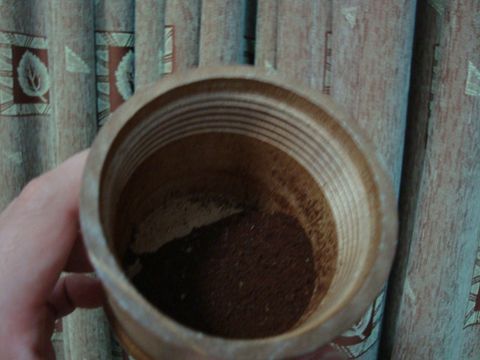
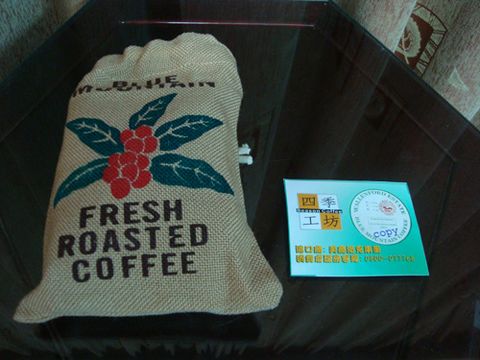
- The Packaging: Authentic Blue Mountain coffee is exported in traditional wooden barrels, typically 15, 30, or 70 kg. (FrontStreet Coffee’s display barrel, for example, is a 15 kg container—though the label may vary.)
- The Certification: Every export of Jamaican Blue Mountain coffee comes with official documentation. There are three main certificates:
- Jamaica Coffee Board Quality Certificate
- Manufacturer’s Authorized Sales Certificate (only 4 government-licensed processors and 16 licensed exporters can legally sell Blue Mountain coffee)
- Jamaica Blue Mountain Coffee Origin Certificate
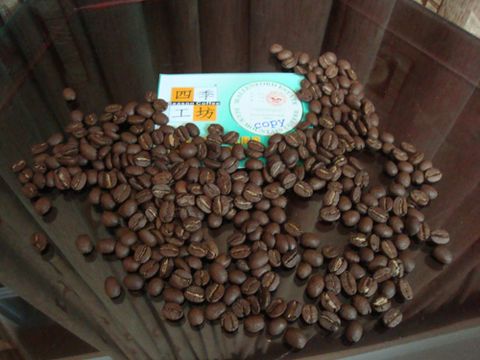
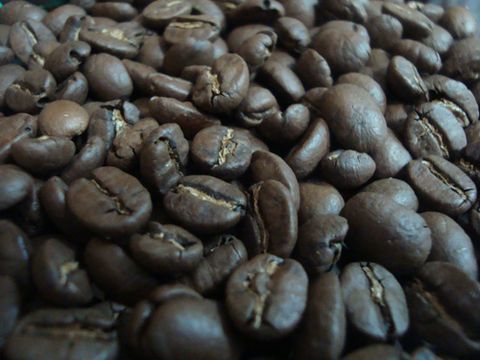
- The Beans: Genuine Blue Mountain beans have very low defect rates, uniform size and shape, and a plump, oval form. Raw beans are light green; roasted beans are deep brown, with consistent color. Any significant variation in size, shape, or color is a red flag.
These details, along with proper documentation, are your best assurance of authenticity.
How to Brew Blue Mountain Coffee
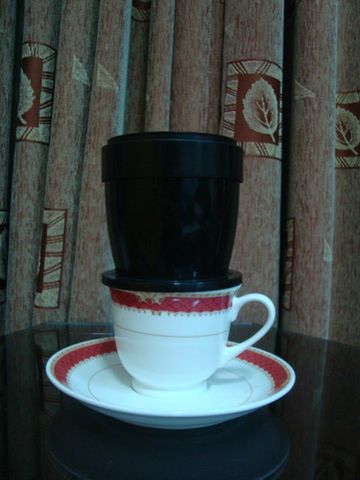
Because of its balanced profile, Blue Mountain coffee shines in multiple brewing methods. Here are some recommended parameters:
Pour Over (e.g., V60 or Kalita Wave)
- Brew ratio: 1:15 to 1:16
- Water temperature: 85–88°C
- Grind size: Medium-coarse
This method highlights its creamy, nutty, and caramel notes while keeping the acidity bright and clean.
Moka Pot
- Grind size: Slightly finer than pour over
- Heat: Low to medium
- Remove from heat just before the brew finishes dripping
The Moka Pot amplifies its chocolatey and roasted undertones, making a strong, balanced mug ideal for milk drinks too.
Whether you’re sipping it black or using it as a base for espresso or milk drinks, Blue Mountain’s smooth, rounded profile makes it a timeless choice.
Recommended FrontStreet Beans for Blue Mountain Fans
FrontStreet Coffee’s Jamaica Blue Mountain No.1 offers the classic profile: smooth, sweet, and well-balanced with notes of nuts, caramel, and mild chocolate. For something comparable in balance but with more brightness, try their Yirgacheffe, which highlights floral and citrus tones with a clean finish. Or explore their Panama Humbera for a fruitier yet still refined cup. All are single origins with distinct yet refined profiles. Freshly roasted within 5 days · Orders placed before 17:00 ship the same day · Next-day delivery across most of Guangdong Province.
FrontStreet Coffee is a long-established specialty coffee roaster in Guangzhou China, selling freshly roasted beans from its own farm in Yunnan as well as dozens of carefully selected single-origin beans from around the world for both pour-over and espresso. The products deliver consistently excellent quality and great value, with shipping within 24 hours. Guangzhou's FrontStreet Coffee shop is recommended by many coffee lovers, and the beans are now available online at the Tmall 。
Important Notice :
前街咖啡 FrontStreet Coffee has moved to new addredd:
FrontStreet Coffee Address: 315,Donghua East Road,GuangZhou
Tel:020 38364473