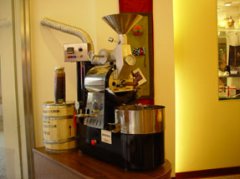
How Coffee Beans Are Roasted: A Step-by-Step Look
Ever wonder how green coffee beans turn into the richly aromatic, dark brown beans ready for brewing? Every sip of your morning coffee starts with a precise transformation inside a roaster—where heat, time, and observation shape the final cup. This is what really happens when a roaster transforms raw beans into something drinkable, flavorful, and fresh.
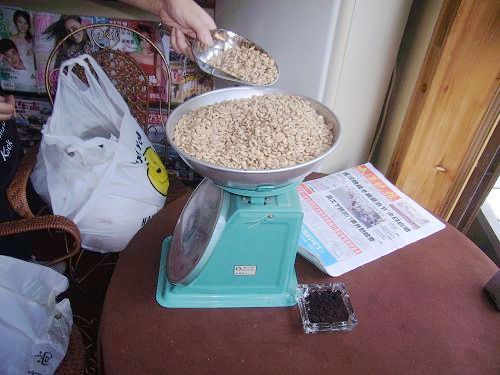
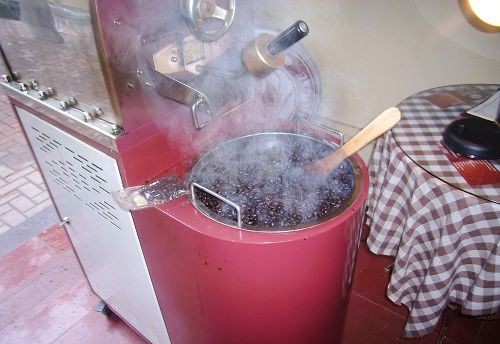
To roast 1.5 kilograms of green coffee, the beans enter a rotating drum heated between 100–200°C. Over roughly 20 minutes, you’ll see visible changes: moisture loss, color shift, first crack, then second crack. The entire roast is monitored minute-by-minute to hit the right development stage.
What Happens During Coffee Roasting?
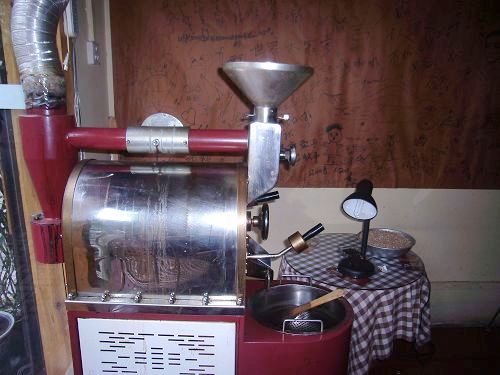
Roasting coffee isn’t just about applying heat—it’s a controlled chemical process where green beans lose moisture, expand, and develop flavor compounds. Starting at room temperature, beans enter a hot rotating drum where temperatures quickly rise. Within minutes, physical and chemical changes begin: moisture evaporates, the structure softens, and reactions like Maillard and caramelization develop aromas and colors.
The Roast Timeline: From Green to Roasted
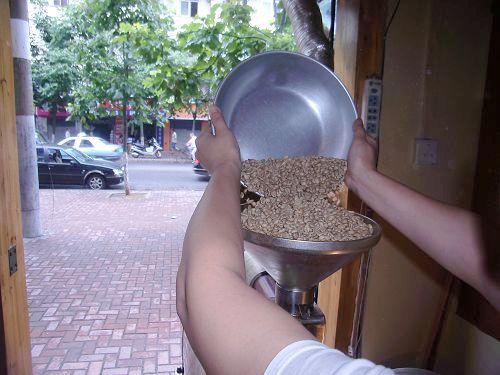
Here’s what happens in a typical 20-minute roast cycle, as observed in this Mocha bean roast:
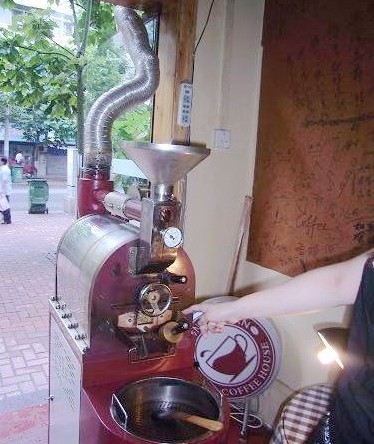
- Initial Phase (0–4 minutes): The drum rotates steadily. Beans are green, hard, and smell grassy. Inside the roaster, temperatures climb from around 100°C toward 200°C. The beans slowly dry out.
- Drying & Yellowing (4–10 minutes): Moisture continues to evaporate. The beans turn yellow and start to smell more like bread or hay. They visibly shrink in size.
- First Crack (Around 10 minutes): A key milestone. You hear a faint “popping” or “crackling” sound as internal pressure causes the beans to expand and fracture slightly. The color deepens to light brown, and the structure becomes more porous. This marks the shift from drying to development.
- Development Phase (Post-First Crack): The roast continues beyond first crack. Beans darken further. Aroma intensifies. This stage fine-tunes acidity, sweetness, and body. The roaster adjusts time here to hit desired roast level.
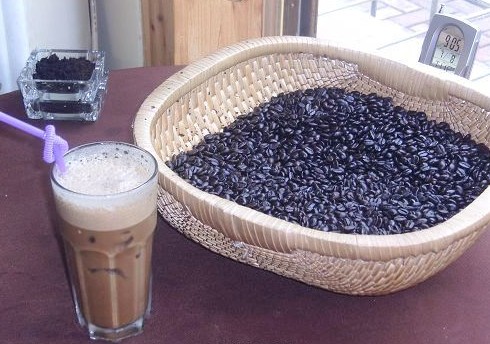
- Second Crack (Around 20 minutes): A second, more rapid series of cracks occurs. This signals a deeper roast level, where oils begin moving toward the surface. At this point, the Mocha beans are fully roasted. The room fills with rich coffee fragrance.
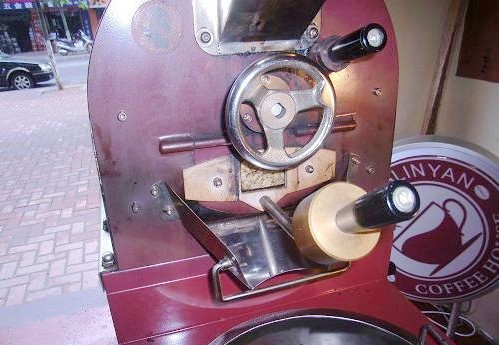
Cooling & Freshness: The Final Steps
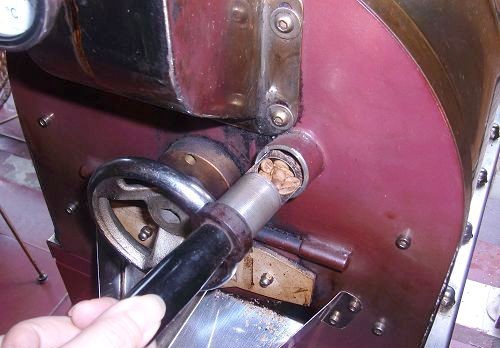
Immediately after second crack, the roasted beans are dumped from the drum. They’re still extremely hot and giving off smoke and chaff. The roaster uses a tray or sieve to agitate the beans, helping them cool quickly and shed their outer silverskin (chaff). Cooling stops further cooking and locks in the roast profile. Freshly roasted beans are at their most vibrant—full of aroma and volatile flavor compounds. Brewing them within days of roasting ensures peak flavor.
Why Roast Profiles Matter
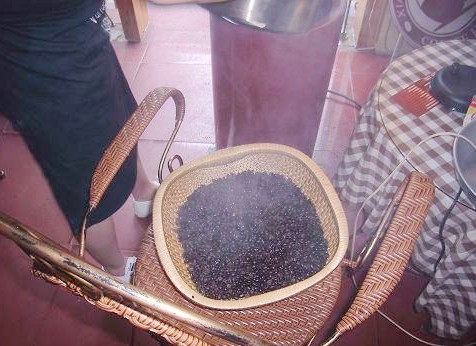
Every origin responds differently to heat. A Mocha bean from the Port of Mocha may develop chocolatey and spicy notes under a medium-to-dark roast, while a bright Kenyan might shine at a lighter level. Roasters watch minute-by-minute changes in color, sound, and smell to guide the roast to the right balance of acidity, body, and aroma. Consistency comes from controlling time, temperature, and airflow throughout the process.

Frequently Asked Questions
What is first crack in coffee roasting?
First crack is the initial audible popping sound that occurs around 10 minutes into roasting, when internal moisture turns to steam and pressure causes the bean to expand and crack. It signals the end of the drying phase and the beginning of significant flavor and color development.
What is second crack?
Second crack occurs later in the roast, around 20 minutes in this case, and sounds faster and more intense than first crack. It means the bean’s cellular structure is breaking down further, oils are migrating to the surface, and the roast is reaching a darker, fuller profile. Many medium-dark to dark roasts are stopped just before or right after second crack.
How long does coffee roasting take?
This roast of 1.5kg of Mocha beans took approximately 20 minutes from start to finish, including first and second crack. Total roast time can range from 9 to 20+ minutes depending on batch size, roast level, and equipment.
Why is cooling important after roasting?
Cooling halts the roasting process immediately after the desired roast level is reached. It prevents over-roasting, allows chaff to separate, and locks in the coffee’s freshly developed aromas and flavors. Proper cooling is essential for preserving quality.
What does a roaster look for during roasting?
A roaster monitors bean color, smell, cracking sounds, and physical changes like size and surface texture. These cues determine when to approach first crack, develop flavors, and decide when to stop the roast—whether before or after second crack.
Recommended FrontStreet Beans for Dark Roasting
For those interested in deeper roast profiles like the Mocha beans described here, try FrontStreet’s PWN Golden Mandheling for its low acidity, bold body, and herbal spice notes. The Brazil Queen Manor offers balanced caramel and hazelnut tones with a smoother medium-dark edge. Both beans showcase how deeper roasting enhances sweetness and body without overwhelming the cup. Freshly roasted within 5 days · Orders placed before 17:00 ship the same day · Next-day delivery across most of Guangdong Province.
FrontStreet Coffee is a long-established specialty coffee roaster in Guangzhou China, selling freshly roasted beans from its own farm in Yunnan as well as dozens of carefully selected single-origin beans from around the world for both pour-over and espresso. The products deliver consistently excellent quality and great value, with shipping within 24 hours. Guangzhou's FrontStreet Coffee shop is recommended by many coffee lovers, and the beans are now available online at the Tmall 。
Important Notice :
前街咖啡 FrontStreet Coffee has moved to new addredd:
FrontStreet Coffee Address: 315,Donghua East Road,GuangZhou
Tel:020 38364473