
How Coffee Is Made: From Bean to Roast
Ever wondered how those aromatic coffee beans in your grinder started out as red cherries on a tree? The journey from farm to cup involves more than just roasting — it’s a carefully managed chain of steps that defines your coffee’s final flavour. If you’ve ever sipped a bright Yirgacheffe or a bold espresso and thought, ‘How did they make this?’, here’s the real, step-by-step story.
Coffee goes through five major stages: harvesting coffee cherries, processing (like washing or drying), drying the beans, roasting, and grinding. Of these, roasting is the most critical for developing aroma and flavour — it’s where chemistry meets heat to create the coffee you love.
Where Coffee Originated: Ethiopia’s Kafa Region
The story of coffee begins in Kafa (or Kaffa), Ethiopia. Local legends say herders noticed their cattle became unusually energetic after eating red berries from a certain bush. Those berries were coffee cherries, and the plant became a staple food, drink, and even medicine. Over time, ‘Kafa’ became synonymous with coffee around the world. Ethiopia remains the birthplace of Arabica coffee, home to legendary varieties like Yirgacheffe, Harrar, and Sidamo.
How Coffee Cherries Become Coffee Beans
Coffee cherries grow on shrubs and are harvested when ripe — usually red or deep purple. Each cherry typically holds two seeds, which we call coffee beans. But before they resemble the dark brown beans you know, they undergo several key processes:
- Processing: The flesh of the cherry is removed. In Ethiopia, the washed process is common, which involves fermenting and washing the beans to remove mucilage. This highlights cleaner, brighter flavours.
- Drying: After processing, the beans (now called parchment coffee) are dried, either in the sun or mechanically, until their moisture content drops to around 11–12%. Proper drying prevents mould and ensures stability.
In traditional Ethiopian households, coffee is more than a drink — it’s a cultural ritual with multiple daily servings and formal preparation ceremonies. This deep-rooted tradition supports the country’s long-standing role as a leading coffee producer.
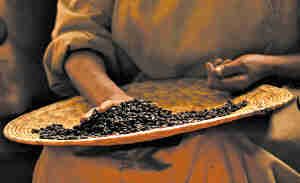
The Role of Roasting in Coffee Flavour
Roasting transforms green coffee beans into the aromatic, flavourful beans used for brewing. During roasting, complex chemical reactions — especially the Maillard reaction — develop hundreds of aromatic compounds. Temperature, time, and roast level determine whether the coffee tastes light and fruity or dark and bold.
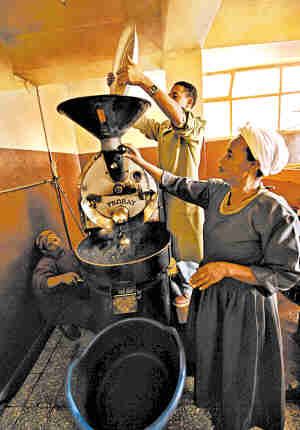
Ethiopian coffee producers traditionally take great pride in their bean purity, adhering to the philosophy that ‘great coffee should be as purebred as a racehorse’. That’s why many smallholder farms and cooperatives still follow old-school methods, carefully controlling each batch. Roasting is where much of the magic happens, turning raw potential into a complex cup.
Coffee Farming & Equipment in Ethiopia
Today, Ethiopia is Africa’s largest coffee producer and the world’s sixth biggest. Its coffee farms range from tiny family plots to larger cooperatives. Many still use traditional techniques, often supported by small local mills. Interestingly, much of Ethiopia’s coffee-roasting equipment was introduced during Italian occupation in the late 19th century — the same period that brought pasta to the region.
Ethiopian coffee bags sometimes feature images of horses, symbolising the purity and heritage of the beans inside. Varieties like Harrar are especially prized for their wine-like, spicy profiles, while Yirgacheffe is known for its citrus and floral brightness.
Ethiopia grows many Arabica sub-varieties, including native types that thrive in high altitudes and volcanic soils. These contribute to the country’s reputation for unique, terroir-driven coffees. Among them, Harrar is often considered the finest of the lot.
From Ethiopia to Your Cup: A Legacy Continues
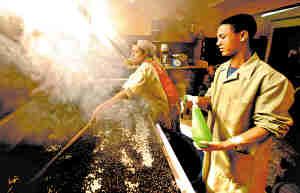
The journey of Ethiopian coffee doesn’t end in Africa. Today, beans from regions like Yirgacheffe or Harrar are processed, exported, and roasted around the globe — often using methods that trace back to those early traditions. Whether you’re brewing a washed Yirgacheffe pour-over or sipping an espresso with Ethiopian single-origin beans, you’re experiencing centuries of agricultural knowledge, ritual, and craftsmanship.
Frequently Asked Questions
Where did coffee originate?
Coffee originated in Ethiopia’s Kafa region, where local herders first observed the energizing effects of coffee cherries on their cattle. The plant was cultivated for food, drink, and medicine, and the word ‘Kafa’ eventually became associated with coffee worldwide.
What are the main steps in making coffee?
Coffee is made through five main stages: harvesting ripe coffee cherries, processing (such as washed or natural drying), drying the beans to reduce moisture, roasting the green beans, and finally grinding them for brewing. Roasting is the most crucial step for flavour development.
Why is roasting so important in coffee production?
Roasting is essential because it triggers chemical reactions like the Maillard reaction, which develop the aroma, colour, and flavour compounds in coffee. The roast level — light, medium, or dark — determines whether the coffee tastes bright and acidic or rich and bold.
What coffee varieties come from Ethiopia?
Ethiopia produces many Arabica coffee varieties, including Yirgacheffe (known for citrus and floral notes), Harrar (spicy and wine-like), Sidamo, and others. Harrar is often considered the finest among them. Many of these are grown at high altitudes and have unique terroir-driven profiles.
Do Ethiopians still follow traditional coffee-making methods?
Yes. Many Ethiopian coffee farms and cooperatives still use traditional processing and roasting methods. They emphasize purity and quality, often adhering to old-school practices that preserve the bean’s natural characteristics.
What equipment did Ethiopia use for coffee roasting historically?
Much of Ethiopia’s early coffee-roasting equipment was introduced during the late 19th-century Italian occupation. Along with pasta, Italians left behind roasting tools that became part of Ethiopia’s coffee infrastructure.
Recommended FrontStreet Coffee Beans for Roast Lovers
Explore Ethiopia’s coffee legacy with FrontStreet’s Ethiopian offerings: the Gedeb Yirgacheffe (washed) delivers bright citrus, floral notes, and juicy acidity with a clean profile; the Harrar variety (not explicitly named but represented by Ethiopia’s classic Harrar types) is known for its spicy, wine-like character; and the Strawberry Candy Geisha blend offers complex florals and stone fruit. For something more classic, try the Typica-based Jamaica Blue Mountain No.1, balanced with notes of chocolate and almond. All showcase the diversity of well-processed Arabica. Freshly roasted within 5 days · Orders placed before 17:00 ship the same day · Next-day delivery across most of Guangdong Province.
FrontStreet Coffee is a long-established specialty coffee roaster in Guangzhou China, selling freshly roasted beans from its own farm in Yunnan as well as dozens of carefully selected single-origin beans from around the world for both pour-over and espresso. The products deliver consistently excellent quality and great value, with shipping within 24 hours. Guangzhou's FrontStreet Coffee shop is recommended by many coffee lovers, and the beans are now available online at the Tmall 。
Important Notice :
前街咖啡 FrontStreet Coffee has moved to new addredd:
FrontStreet Coffee Address: 315,Donghua East Road,GuangZhou
Tel:020 38364473

