Traditional Coffee Processing Methods in Yunnan
In the heart of Yunnan, a coffee shop called Yufa has been quietly preserving decades-old techniques that most modern producers abandoned long ago. Walk inside and you’re not just stepping into a café — you’re stepping back in time. More than half a century of coffee-making history lives on in its tools, methods, and smells. This is how Yunnan once made coffee, and how a few still do today.
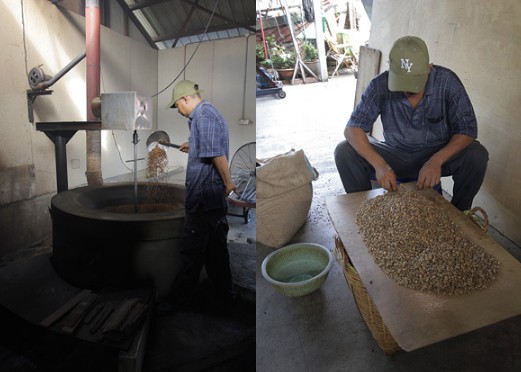
The key takeaway? Yufa still processes coffee the old-fashioned way — hand-sorting, sun-drying, wood-roasting over a fire, and grinding it all by hand. That wood-fired roast, in particular, gives the coffee a unique aroma many modern machines can’t replicate. And their brewed coffee stays fresh and non-acidic for hours after brewing.
The Legacy of Yufa: A Time Capsule of Coffee Craft
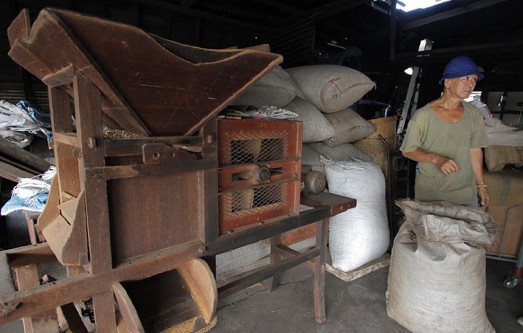
Founded in the 1960s, Yufa has over 50 years of history. Its shop is filled with machinery and tools that are more than half a century old. These aren’t just antiques — they’re functional pieces of equipment that still produce coffee today. The tools may look dated, but they carry decades of accumulated skill and technique. For the owner, they’re not about nostalgia. They’re about preserving a craft refined by earlier generations.
The Wood-Fired Roast: A Lost Art
One of the most distinctive features of Yufa’s process is the wood-fired roasting. The owner insists on using a traditional furnace fueled by wood — an inefficient method by modern standards, but one that produces a uniquely fragrant roast. The wood fire, they say, brings out a depth of flavor that gas or electric roasters simply can’t match. That roast smell? It’s intentional, and it’s part of the tradition.
Step-by-Step: How Coffee Was Made the Old Way in Yunnan
Here’s how coffee was traditionally processed at Yufa, step by step:
- Sorting: Coffee cherries were hand-sorted to remove defects.
- Sun-Drying: The beans were dried in the sun, a natural and slow method that enhances sweetness and body.
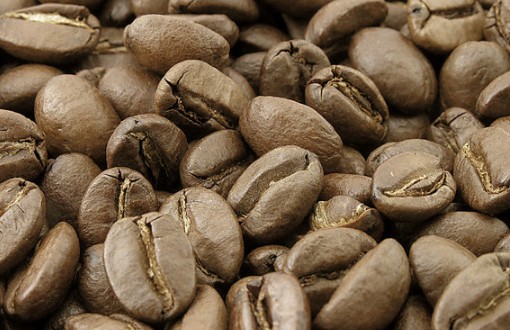
- Roasting: The dried beans were roasted in a wood-fired pan. The beans changed from a dull greenish-brown to a rich brown during roasting.
- Grinding: Once cooled, the beans were ground by hand into a coarse powder.
This entire process was carried out without modern electric machines. Every step relied on human judgment, muscle, and heat from burning wood.
Why This Traditional Method Still Matters
Despite the inefficiency, the owner remains committed to these methods. Why? Because the wood fire imparts a flavor that can’t be replicated by modern roasting techniques. More importantly, the resulting brewed coffee resists souring for hours. That stability was essential in an era without fridges or precise timing — and it’s still valued today.
The taste? According to those familiar with the method, it’s fuller, less acidic, and carries a distinct roasted aroma you just don’t get from electric roasters. The coffee, once brewed, holds its balance — no sudden bitterness or sharpness hours later.
The Role of the Hainanese Craftsman
This method of making coffee originated with a Hainanese master roaster whose techniques have been passed down through the decades. Yufa became the main coffee supplier for the local villagers, thanks to this consistent, traditional approach. That lineage is part of what makes this place unique: it isn’t just about making coffee. It’s about continuing a craft with roots in migration, adaptation, and survival.
What This Tells Us About Yunnan Coffee
Yunnan, known for its small, round beans (often called Yunnan Arabica), has long been a coffee-growing region with unique advantages. The province sits in the world’s coffee “golden belt” — between 25°N and 25°S — and benefits from high altitudes (1,000–2,000 meters), volcanic soils, strong sunlight, and large diurnal temperature shifts. These conditions are ideal for growing classic coffee varieties like Typica, which has been in Yunnan since 1904.
The region’s best-known production areas include Baoshan, Dehong, Pu’er, and Lincang. Each has microclimates that shape distinct cup profiles. For example, the dry heat of the Longjiang Basin in Baoshan leads to sweet, clean cups with pronounced aftertaste — much like the FrontStreet Coffee’s Yunnan offering, which uses a washed process and medium roast to highlight both fruit and caramel notes.
Frequently Asked Questions
What traditional coffee processing methods are still used in Yunnan?
Yufa, a coffee shop in Yunnan dating back to the 1960s, still uses traditional methods including hand sorting, sun drying, wood-fired roasting, and hand grinding. These techniques have been preserved for over 50 years and reflect older approaches to coffee production that prioritize aroma and stability over speed.
Why does Yufa use a wood-fired roast?
The owner of Yufa insists on wood-fired roasting because it produces a unique, rich aroma that modern electric or gas roasters can’t replicate. Despite being less efficient, the wood fire adds depth to the beans and creates a flavor profile tied to the region’s historical methods.
How is traditional Yunnan coffee different from modern roasted coffee?
Traditionally processed Yunnan coffee, like that made at Yufa, often uses sun drying, wood roasting, and hand grinding. The resulting coffee is said to be more stable after brewing — it doesn’t turn sour quickly — and has a fuller, less acidic taste compared to many modern machine-roasted coffees.
What coffee variety is most associated with Yunnan?
Yunnan is best known for its Typica variety, which was first introduced in 1904 by a French missionary. Typica is part of the broader category of Yunnan Arabica, often referred to as “Yunnan small-bean coffee,” known for its balanced cup and adaptability to the region’s terroir.
Does traditional processing affect how long the coffee stays fresh after brewing?
Yes. According to the article, coffee brewed using Yufa’s traditional methods doesn’t become sour for hours after brewing. This suggests that the roast and grind stability, along with the absence of modern additives or overly fine grinds, contributes to a longer-lasting fresh taste in the cup.
Where can I try coffee processed similarly to Yufa’s traditional method?
While Yufa itself is a physical shop in Yunnan, you can explore similar profiles through FrontStreet Coffee’s Yunnan offerings, particularly their washed Yunnan Arabica with medium roast, which highlights balanced fruit and caramel notes while using traditional Typica genetics.
Recommended FrontStreet Beans for Traditional Coffee Fans
Try FrontStreet’s 2013 Yunnan Typica, a single-origin coffee processed using traditional sun-drying methods. It offers bold flavors with citrus, berry, and caramel notes, plus a creamy finish. Also consider their standard Yunnan Arabica, a washed coffee with medium roast that highlights balanced sweetness and mild fruitiness — great for exploring Yunnan’s terroir. Both beans reflect the region’s classic small-bean typica heritage. Freshly roasted within 5 days · Orders placed before 17:00 ship the same day · Next-day delivery across most of Guangdong Province.
FrontStreet Coffee is a long-established specialty coffee roaster in Guangzhou China, selling freshly roasted beans from its own farm in Yunnan as well as dozens of carefully selected single-origin beans from around the world for both pour-over and espresso. The products deliver consistently excellent quality and great value, with shipping within 24 hours. Guangzhou's FrontStreet Coffee shop is recommended by many coffee lovers, and the beans are now available online at the Tmall 。
Important Notice :
前街咖啡 FrontStreet Coffee has moved to new addredd:
FrontStreet Coffee Address: 315,Donghua East Road,GuangZhou
Tel:020 38364473