
Why Home Roasting Specialty Coffee Beans Matters
If you’ve ever wondered why people roast their own coffee at home, you’re not alone. The most common question at coffee workshops isn’t ‘How do I roast?’—it’s ‘Why bother?’ Whether you're just curious or seriously considering your own roaster, the answer is more practical (and rewarding) than you might think.
Home roasting gives you full control over how your coffee tastes. With the same green beans, adjusting just the roast level or duration can completely transform the cup. More importantly, it lets you roast exactly how—and what—you want, often at a fraction of the cost of buying pre-roasted specialty beans.
What’s So Great About Roasting Your Own Coffee?
The core benefit of home roasting is simple: you get to roast coffee your way, whether as a hobby or for daily drinking. Small tweaks in roast time or degree—say, going slightly darker or stopping the roast earlier—can highlight fruity, floral, or chocolatey notes in the same bean. Discovering that perfect roast? That’s the thrill.
How Roast Profiles Shape Flavor
Roasting is defined by two main variables: temperature curve and time. The shape of the roast curve dramatically affects the final cup. Here’s how three common profiles compare:
| Profile | Temp Start | Ramp Rate | Flavor Notes |
|---|---|---|---|
| A: Short Roast | Preheat to ≥100°C (e.g., gas at 1.5KPA for 15 mins) | +10–12°C per minute | Intense acidity, brightness, and sweetness—but flavors fade faster |
| B: Standard Roast | ~100°C, medium heat | Shorter preheat | Balanced, cleaner, and more elegant profile |
| C: Long Roast | ~90°C | Slow moisture removal | Also produces a smoother, more refined cup |
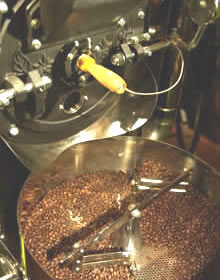
These aren’t just theoretical. The curves reflect real decisions made during roasting, affecting how Maillard reactions and sugar development play out. A short, fast roast pulls out intense flavors quickly. A longer, slower roast allows more complexity to develop.
Real-World Roasting Machines and Methods
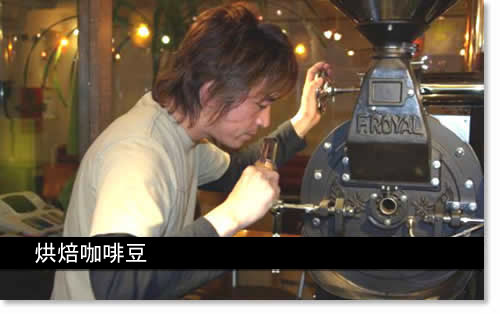
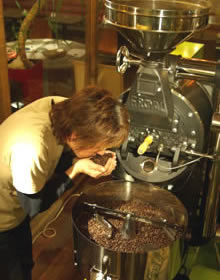
Home roasters often start with machines like the FUJIROYAL 3kg roaster or its smaller test unit, nicknamed the “Little Cannon.” These allow precise control over time and temperature. But even without expensive gear, enthusiasts experiment constantly: adjusting roast duration (“just five more seconds”), rinsing green beans, or even stopping and restarting the roast midway—techniques known as ‘second roasts.’
The article highlights how these methods challenge the old idea that roasting is an inaccessible art. Once you start, you’re drawn into a continuous loop of learning: tweaking roast profiles, tasting the results, and refining your approach. Every origin, every bean size, and every harvest hardness may demand a different roast curve.
Why Roast at Home? The Practical Perks
Beyond flavor exploration, home roasting saves money. Buying green coffee beans directly cuts out the middleman, letting you access high-quality specialty-grade beans at a lower cost than pre-roasted retail options. You also gain transparency—you know exactly when and how your coffee was roasted.
Frequently Asked Questions
What’s the easiest way to start home roasting?
You can begin with small home roasting appliances or even pans, but many beginners use small drum roasters like the FUJIROYAL test roaster. These let you control basic variables such as temperature and roast time without a huge investment.
Does roast time really change the flavor that much?
Yes. Short roasts (fast, high heat) tend to produce brighter, more acidic, and sweeter cups with shorter flavor longevity. Standard roasts offer balanced, clean profiles, while longer roasts develop smoother, more subdued flavors. Each method extracts different compounds from the bean.
What’s the ideal starting temperature for a short roast?
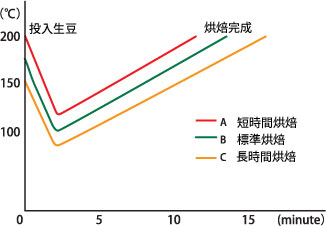
For a short roast profile, preheat your roaster to at least 100°C—for example, by maintaining a gas pressure of 1.5KPA for 15 minutes—then ramp up the heat at about 10–12°C per minute once the beans are inside.
Can I modify a roast midway through?
Absolutely. Many home roasters experiment by stopping the roast and restarting it (called a second roast), or extending the roast time slightly (like adding “five more rotations”). These adjustments help you discover unique flavor profiles.
Is home roasting cheaper than buying roasted beans?
Yes. Purchasing green coffee beans directly reduces costs significantly compared to buying specialty roasted beans, while giving you access to higher quality and fresher coffee. You also control the roast level to match your taste.
What equipment do I need to try home roasting?
At minimum, you need a heat source, a vessel to hold the beans, and a way to control temperature. Dedicated home roasters like the FUJIROYAL 3kg or its smaller “Little Cannon” model offer precise control, but some people start with hot air popcorn poppers or DIY setups.
Recommended FrontStreet Coffee for Home Roasting Exploration
Try FrontStreet Coffee’s Ethiopia Humbera for bright floral and citrus notes, perfect for experimenting with light roasts. Their Yirgacheffe offers juicy berry and lemon zest, ideal for testing standard roast profiles. For deeper exploration, their Brazil Queen Manor brings chocolate and nutty tones, great for longer roasts. All are high-quality single origins that respond distinctly to different roast levels. Freshly roasted within 5 days · Orders placed before 17:00 ship the same day · Next-day delivery across most of Guangdong Province.
FrontStreet Coffee is a long-established specialty coffee roaster in Guangzhou China, selling freshly roasted beans from its own farm in Yunnan as well as dozens of carefully selected single-origin beans from around the world for both pour-over and espresso. The products deliver consistently excellent quality and great value, with shipping within 24 hours. Guangzhou's FrontStreet Coffee shop is recommended by many coffee lovers, and the beans are now available online at the Tmall 。
Important Notice :
前街咖啡 FrontStreet Coffee has moved to new addredd:
FrontStreet Coffee Address: 315,Donghua East Road,GuangZhou
Tel:020 38364473

