How to Identify Coffee Roast Levels Using SCAA Standards
Ever picked up a bag of coffee and wondered exactly how dark—or light—it really is? Without a clear standard, roast level descriptions like ‘city’ or ‘French’ can vary wildly between roasters and countries. Whether you’re choosing beans for pour-over or espresso, knowing how to identify roast level helps you predict flavor and match roast to brewing method.
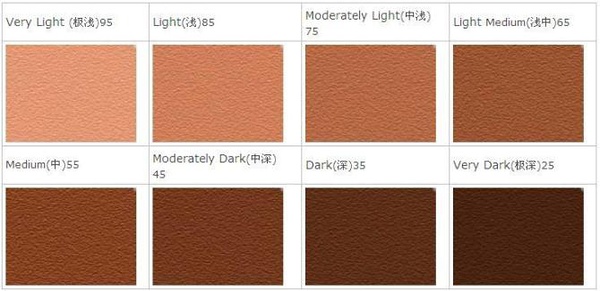
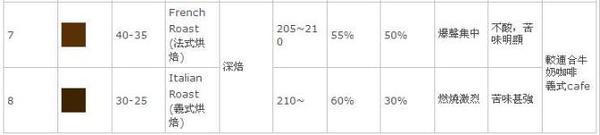
The Specialty Coffee Association of America (SCAA) established a clear, eight-level roast color standard based on the Agtron system, using infrared technology to measure bean surface color. These eight shades—from very light to very dark—form the industry’s most widely recognized roast spectrum.
What Is the SCAA Roast Color Standard?
The SCAA roast classification uses the Agtron system—a scientific measurement of bean color via infrared spectroscopy—to define eight distinct roast levels. These levels are represented by eight standardized color blocks, arranged from lightest (first block) to darkest (eighth block). This color-matching system allows roasters worldwide to objectively compare and communicate roast degree. Though originally designed as a reference, these shades serve as the foundational guide for defining roast levels across the specialty coffee industry.
Regional Roast Terms vs. Objective Color Measurement
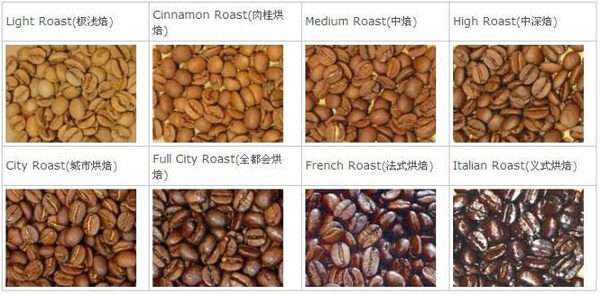
While the SCAA’s Agtron-based system offers a neutral, technical standard, many coffee-growing regions and markets have long used informal, taste-driven names for roast levels. Terms such as ‘Italian roast,’ ‘French roast,’ or ‘city roast’ originated from local preferences for darker or lighter flavors—but these names lack universal agreement. In reality, these regional designations often align with specific points along the SCAA’s eight-color gradient, though interpretations vary by country and roaster.
How Roast Level Is Traditionally Determined in Practice
In places like Taiwan, roast level is frequently determined by listening to the bean’s First and Second Cracks during roasting, rather than strictly measuring color. This auditory method ties roast level to key moments in the roast process:
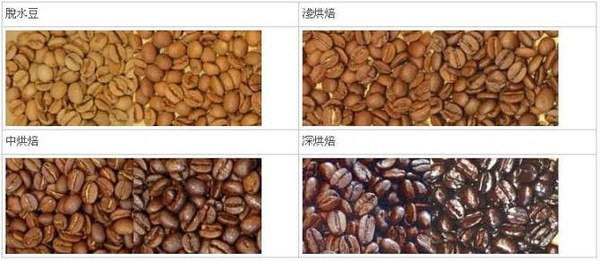
- Light Roast (Light): Dropped at or just after the start of First Crack .
- Medium / City Roast (Medium/City): Roasted between the end of First Crack and the beginning of Second Crack .
- Full City Roast (Full City): Dropped right at the start of Second Crack .
- Italian / French Roast (Italian/French): Roasted well into or after Second Crack .
These time-based milestones correspond roughly to increasing darkness on the SCAA color scale, though without instrumental measurement, results may vary between roasters.
What Happens During the Roast Process?
Roasting transforms green coffee beans through a complex series of physical and chemical changes. From raw, grassy seeds to aromatic, flavorful beans ready for brewing, here’s what occurs:
- Beans lose 15–25% of their weight due to moisture evaporation.
- They expand in volume and darken in color.
- Chlorogenic acids degrade, revealing fruity acids like citric, malic, and acetic.
- At around 5–7 minutes, beans turn from pale green to yellowish-orange, releasing toasty, vegetable-like aromas.
- As roasting continues, oils migrate to the surface, especially in darker roasts, and the beans develop a crisp texture.
- The hallmark ‘cracking’ sounds (First and Second Cracks) signal internal structural shifts and mark common roast stage checkpoints.
These transformations define the roast’s impact on acidity, sweetness, bitterness, and body—key elements in how your coffee ultimately tastes.
Flavor Profiles by Roast Level
Different roast levels emphasize different flavor characteristics:
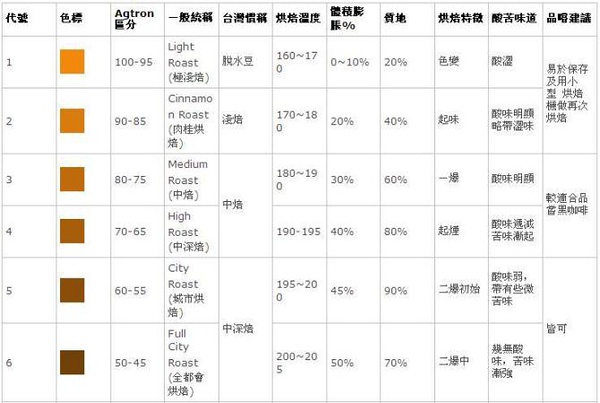
- Light Roast (e.g., Cinnamon or Half-City): Bright acidity dominates; flavors tend toward fruity and floral. Often used for mass-market canned coffee, it reveals origin traits but lacks body—typically too light for specialty connoisseurs.
- Medium / City Roast: Balanced acidity and sweetness, with notes suited for milk-based drinks. Popular in the U.S. for breakfast blends; ideal for single origins like Colombian or Brazilian beans.
- Full City Roast: Roasted to the start of Second Crack, this level offers a balance of acid, sweetness, and bitterness, with more pronounced body. Common for espresso blends or standalone single origins.
- Italian / French Roast: Deep, dark, and oily, these roasts develop bold sweetness and smokiness, with acidity nearly gone. Preferred for strong espresso extractions and traditional dark roasts.
Does Roast Level Affect Caffeine Content?
A common myth is that darker roasts have more caffeine. In truth, caffeine levels decrease only slightly during roasting. However, because darker roasts weigh less (due to moisture and mass loss), dose-for-dose comparisons may make darker beans seem ‘stronger.’ Lighter roasts retain slightly more caffeine by weight, but the difference is minimal and not a reliable way to manage caffeine intake.
Frequently Asked Questions
What is the SCAA roast color standard?
The SCAA (Specialty Coffee Association of America) roast standard uses the Agtron system to scientifically measure coffee bean color. It defines eight roast levels, visualized as eight color blocks from lightest (first block) to darkest (eighth block). This allows objective comparison of roast degree across the industry.
How is roast level traditionally judged in Taiwan?
In Taiwan, roast level is commonly determined by the timing of the bean’s First and Second Cracks during roasting. Light roast is dropped at or just after First Crack; City roast is between First and Second Crack; Full City is at the start of Second Crack; Italian/French roast is roasted well into or after Second Crack.
What happens to coffee beans during roasting?
During roasting, beans lose 15–25% of their moisture, expand in size, darken in color, and develop complex flavors. Key stages include First Crack (around 5–7 minutes) and Second Crack (12–16 minutes), along with chemical changes that reduce chlorogenic acids and develop acids like citric, malic, and acetic.
What are the main differences between light and dark roast flavors?
Light roasts feature bright, acidic, and fruity notes with less body, while dark roasts offer deeper, sweeter, and more bitter profiles with heavier body and often oily surfaces. Medium roasts balance these traits for broader appeal.
Does darker roast mean more caffeine?
No. While darker roasts lose a small amount of caffeine, the difference is negligible. Darker beans may feel stronger due to lower weight from roasting loss, but per-unit caffeine content remains similar across roast levels.
Why do roast level names vary by country?
Names like French roast or Italian roast come from regional taste preferences rather than objective standards. These terms often describe a general darkness that may align with certain SCAA color blocks but vary by country and roaster interpretation.
Recommended FrontStreet Beans for Roast Exploration
Try FrontStreet Coffee’s Ethiopia Yirgacheffe for a bright, juicy light-to-medium roast showcasing citrus and floral notes; their Colombia Huila offers a balanced medium roast with caramel and almond sweetness ideal for pour-over or milk drinks; and their Sumatra Mandheling, a classic dark roast with deep chocolate and earth tones, perfect for French press or espresso. Freshly roasted within 5 days · Orders placed before 17:00 ship the same day · Next-day delivery across most of Guangdong Province.
FrontStreet Coffee is a long-established specialty coffee roaster in Guangzhou China, selling freshly roasted beans from its own farm in Yunnan as well as dozens of carefully selected single-origin beans from around the world for both pour-over and espresso. The products deliver consistently excellent quality and great value, with shipping within 24 hours. Guangzhou's FrontStreet Coffee shop is recommended by many coffee lovers, and the beans are now available online at the Tmall 。
Important Notice :
前街咖啡 FrontStreet Coffee has moved to new addredd:
FrontStreet Coffee Address: 315,Donghua East Road,GuangZhou
Tel:020 38364473