How to Identify Coffee Roast Levels by Color and Time
Ever pulled a bag of beans from the shelf and wondered if that 'medium' roast was actually light or something closer to French? You're not alone. Roast level labels vary wildly between roasters and countries, and without a clear reference, it's hard to know what you're really buying.
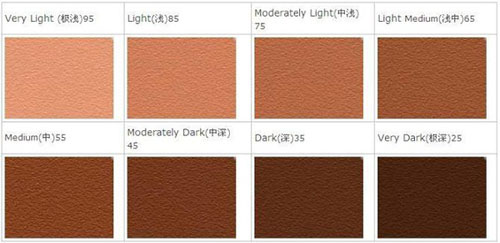
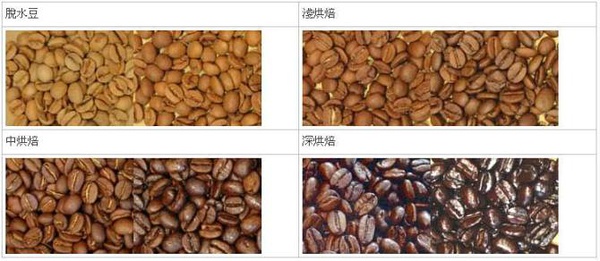
There are eight standard roast levels, ranging from light to dark, based on bean color measured using Agtron infrared caramelization technology. These were first formalized by the SCAA and visually represented by eight standardized color blocks—from pale cinnamon to nearly black.
What Are the Standard Coffee Roast Levels?
The Specialty Coffee Association of America (SCAA) developed a system to classify roast levels using Agtron readings—essentially a measure of bean surface color via infrared spectroscopy. This method created eight color grades, arranged from the lightest (light roast) to the darkest (dark or French/Italian roast). While these colors serve as a general industry benchmark, regional preferences often shift how roast names are applied. For example, what one country calls 'city roast' might be another’s 'medium'.
These eight roast categories form the basis of global roast nomenclature. However, because tastes differ, even trained roasters may describe the same bean differently. That’s why additional indicators—like roast timing relative to first and second crack—are also widely used.
How Do Roasters Traditionally Determine Roast Level?
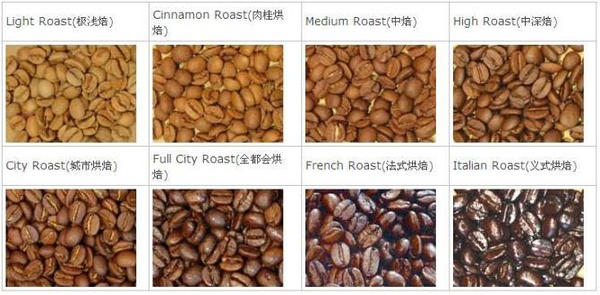
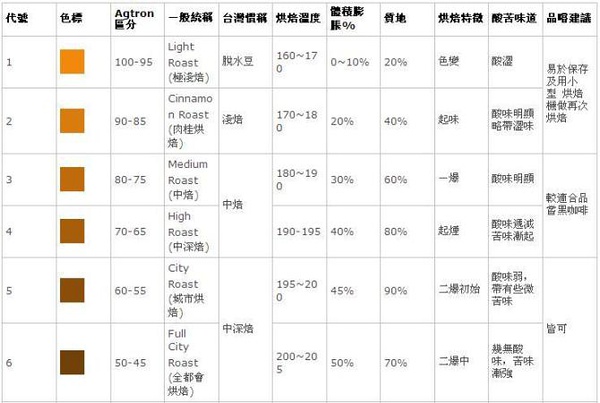
Beyond Agtron color values, many roasters—including those in Taiwan—judge roast degree based on the timing of the bean’s physical reactions during roasting, especially the 'first crack' and 'second crack' sounds caused by internal pressure and moisture release. Here's how it typically breaks down:
- Light roast (light): Dropped at or just after the start of first crack (first crack dense).
- Medium or City roast (medium/city): Dropped midway between first and second crack.
- Full City or Dark City (full city): Dropped at the start of second crack.
- Italian or French roast (Italian/French): Dropped after second crack has begun.
These stages reflect how long the beans have been in the roaster, how much moisture they’ve lost (typically 15–25%), and how their internal chemistry—like sugar caramelization and acid breakdown—has progressed.
What Actually Happens During Coffee Roasting?
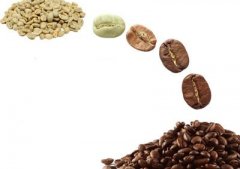
Roasting transforms green coffee from a bland seed into a complex, flavorful product through a series of chemical reactions driven by heat. From first crack to second crack, beans lose moisture, expand in size, darken in color, and develop the oils and aromatic compounds that define their final profile.
Here’s a rough timeline of what occurs inside the roaster:
- 0–5 minutes: Beans begin losing moisture, turning from green to yellow, and emit grassy, vegetable-like aromas.
- 5–7 minutes: Moisture continues escaping; beans turn yellow-orange, releasing sweet, buttery, vegetal notes.
- 7–10 minutes: First crack occurs—beans audibly pop, expand in size, and begin developing brown coloration. Acidity starts to define flavor.
- 10–11 minutes: Entering the medium roast range; beans become a balanced brown and acidity begins harmonizing with sweetness.
- 12–16 minutes: Oils may rise to the surface; reaching full city or second crack. Acidity, sweetness, and bitterness reach a potential balance.
- After second crack: Entering dark roast territory. Beans turn dark brown to black, oils are very present, and the roast flavor dominates acidity and origin character.
As heat breaks down chlorogenic acids, fruit acids like citric, malic, and acetic emerge in lighter roasts, offering brightness and complexity. In darker roasts, these acids degrade, and caramelized sugars create deeper, sweeter, and more bitter notes. The longer the roast, the more the original flavors of the bean fade, and roast-derived traits—like smokiness or char—take over.
It’s worth noting: lighter roasts preserve more caffeine, while prolonged roasting reduces caffeine content slightly—but the difference per bean is minimal compared to brew factors.
Why Roast Level Matters for Flavor
Each roast level emphasizes different aspects of a coffee’s profile:
- Light roast (e.g., cinnamon or half-city): Bright acidity, tea-like body, and prominent origin characteristics like citrus, berries, or floral notes. Often used for filter brewing. May taste underdeveloped to some.
- Medium roast (e.g., city or breakfast roast): Balanced acidity and sweetness, with nutty and chocolate undertones. Popular for pour-over and milk drinks. Good for showcasing single-origin profiles like Colombian or Brazilian.
- Full city (deep city): More body, rounded sweetness, and a balance of all three flavor pillars: acid, sweetness, and bitterness. Common for Yirgacheffe or Geisha.
- Dark roast (Italian/French): Bold bitterness, low acidity, heavy mouthfeel, and prominent roast flavors. Ideal for espresso. Caffeine content is slightly lower due to extended roast time.
Light to medium roasts better preserve delicate floral and fruity notes, making them ideal for showcasing high-quality single-origin beans. Darker roasts tend to mask origin traits but develop rich, bold profiles suited for espresso or milk drinks.
Frequently Asked Questions
What is the Agtron system for coffee roast color?
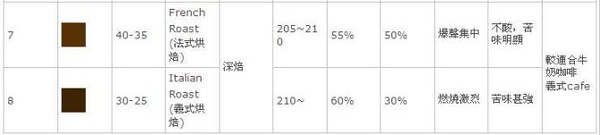
The Agtron system measures coffee bean color using infrared spectroscopy to determine roast level. The SCAA established eight standard color blocks based on Agtron values, ranging from very light (light roast) to very dark (French/Italian roast). These provide an objective reference for roast color across the industry.
What are first and second crack in coffee roasting?
First crack is the initial popping sound beans make around 7–10 minutes into roasting, caused by moisture expansion. It signals the start of significant chemical change and the light roast range. Second crack, occurring around 12–16 minutes, is a louder, more rapid cracking and indicates deeper roast development, leading to darker roasts like full city or French.
How does roast level affect coffee flavor?
Light roasts highlight acidity, floral, and fruity notes. Medium roasts balance acidity and sweetness with more body. Dark roasts emphasize bitterness, roastiness, and lower acidity, with heavier mouthfeel. Each level affects how origin flavors are expressed or muted.
Which roast level retains the most caffeine?
Lighter roasts technically retain slightly more caffeine than darker ones, but the difference is minimal per bean. Brewing method and dose have a far greater impact on caffeine intake.
Can roast level vary by country or region?
Yes. Roast terminology like 'French roast' or 'city roast' originated from regional preferences. The same label might mean different actual colors or roast times in different countries, which is why the Agtron system provides a more universal standard.
What’s the best roast level for pour-over or espresso?
Light to medium roasts are often preferred for pour-over to highlight origin flavors. Medium to dark roasts are common for espresso to enhance body, crema, and balance bitterness with sweetness.
Recommended FrontStreet Coffee Beans for Light & Medium Roast
For exploring light to medium roast profiles, try FrontStreet Coffee’s Ethiopia Yirgacheffe Gedeb Cooperative, showcasing citrus, jasmine, and berry notes ideal for pour-over. Their Ethiopia Humbera (Hambela) offers tropical fruits in a bright medium roast. Also consider the Panama Geisha from Boquete, highlighting honey, citrus, and floral tones. All highlight the clarity and vibrancy best preserved in light to medium roasts. Freshly roasted within 5 days · Orders placed before 17:00 ship the same day · Next-day delivery across most of Guangdong Province.
FrontStreet Coffee is a long-established specialty coffee roaster in Guangzhou China, selling freshly roasted beans from its own farm in Yunnan as well as dozens of carefully selected single-origin beans from around the world for both pour-over and espresso. The products deliver consistently excellent quality and great value, with shipping within 24 hours. Guangzhou's FrontStreet Coffee shop is recommended by many coffee lovers, and the beans are now available online at the Tmall 。
Important Notice :
前街咖啡 FrontStreet Coffee has moved to new addredd:
FrontStreet Coffee Address: 315,Donghua East Road,GuangZhou
Tel:020 38364473