
What’s Really in Roasted Coffee Beans? The Full Chemical Breakdown
If you’ve ever wondered why your cup of coffee tastes bitter, smells rich, or gives you that familiar jolt, the answer lies in what’s actually inside the roasted bean—not just how it’s brewed, but what chemical compounds survive the roast. From the stimulating kick of caffeine to the complex aromas that define origin and roast level, understanding these components unlocks the science behind your daily brew.
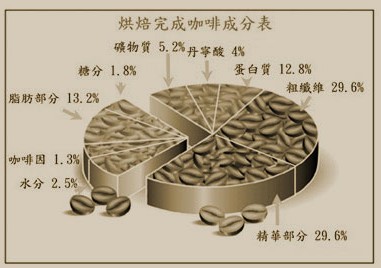
The short answer? Roasted coffee contains caffeine (which barely decreases during roasting), tannic acids, fats (the main aroma source), proteins, sugars (that caramelize into brown color and sweetness), minerals, fiber, and hundreds of volatile aromatic compounds. These elements interact during roasting to create coffee’s signature taste, body, and fragrance.
Caffeine: The Most Famous Compound
Caffeine is the most well-known and studied component in coffee. It belongs to the group of plant xanthines, similar to theobromine in chocolate and theophylline in green tea. Surprisingly, its quantity changes very little during roasting. Caffeine affects nearly every system in the body—brain, heart, blood vessels, stomach, muscles, and kidneys. In moderate amounts, it stimulates the cerebral cortex, improving sensory perception, memory, and emotional response. It also increases heart activity, dilates blood vessels, boosts metabolism, and reduces muscle fatigue. Caffeine promotes digestive fluid secretion and enhances kidney function, aiding in the excretion of sodium ions. That’s why it has a diuretic effect but is quickly flushed from the body within about two hours—unlike other stimulants. Oh, and that classic coffee bitterness? That’s mostly caffeine.
Tannins and Acidity: The Flavor Saboteurs
Tannic acid, when refined, turns into a light yellow powder that dissolves easily in water. But when coffee is boiled, tannins break down into quinic acid, which degrades flavor. That’s also why coffee that sits for hours tastes weaker and more astringent—it’s a key reason baristas and roasters emphasize drinking freshly brewed coffee right away.
Fats, Sugars, and Aroma: The Flavor Builders
Fats in coffee play a crucial role in its flavor and aroma profile. Coffee contains various types of fat, primarily acidic fats (whose strength varies by coffee type) and volatile fats, the main contributors to coffee’s fragrance. However, once roasted coffee beans are exposed to air, chemical changes occur that degrade both flavor and scent. Sugars in coffee, meanwhile, aren’t just about sweetness. Though you perceive sweetness alongside bitterness and acidity even in unsweetened coffee, most sugars convert to caramelized compounds during roasting, giving coffee its distinctive brown color. Protein in coffee contributes calories but, in methods like drip brewing, most proteins don’t make it into the cup—which is one reason coffee is often favored in weight-loss diets. Minerals such as lime, iron, sulfur, sodium carbonate, phosphorus, chlorine, and silicon exist in trace amounts and contribute only slight astringency. Finally, the cellulose or rough fiber in green beans carbonizes during roasting. This carbonized material, along with caramelized sugars, defines much of coffee’s color and contributes to its mouthfeel. For this reason, pre-ground or powdered coffee is discouraged—it’s harder to discern true flavor complexity.
How Roasting Shapes Coffee’s Flavor Profile
The color, aroma, and taste of coffee are the result of complex chemical reactions during roasting. To achieve optimal flavor, green beans must undergo carefully controlled chemical changes that balance key components. Roast profiles influence how heat triggers the Maillard reaction and other transformations. Coffee’s aroma is especially heat-sensitive, which is why roasters aim to minimize roast time while maintaining the minimum effective temperature needed to develop the right chemical composition. The goal is always the same: to create the most balanced and expressive cup possible through precision roasting.
The Science of Coffee Aroma and Flavor
Aroma is the lifeblood of coffee quality and a direct reflection of origin, processing, roast technique, and storage. Gas chromatography analysis shows that coffee aroma consists of nearly hundreds of volatile compounds including acids, alcohols, aldehydes, ketones, esters, sulfur compounds, phenols, and nitrogen compounds. Broadly speaking, fats, proteins, and sugars form the backbone of coffee’s fragrance. Lipid compounds interact with acidity and bitterness to create a smooth mouthfeel. When coffee loses its aroma, it’s a clear sign of quality degradation. Simply put, aroma and cup quality are inseparably linked.
Frequently Asked Questions
Does caffeine content change much during coffee roasting?
No, caffeine levels decrease only very slightly during roasting. It remains one of the most stable compounds in the coffee bean, which is why your cup of light or dark roast still delivers roughly the same caffeine kick per bean weight.
What causes the bitterness in coffee?
The primary source of coffee’s bitterness is caffeine, though other compounds like chlorogenic acid lactones and phenylindanes formed during roasting also contribute. The longer or darker the roast, the more these compounds can develop, amplifying bitterness.
Why is it better to drink coffee immediately after brewing?
Over time, especially when left sitting hot, tannins in coffee break down into quinic acid, which leads to a more astringent and less flavorful cup. Volatile aromatic compounds also dissipate quickly, reducing freshness and complexity.
What role does fat play in coffee’s flavor and aroma?
Fat is a major contributor to coffee’s aroma. Volatile fatty compounds are responsible for much of the fragrance you smell when brewing. They also help balance out acidity and bitterness, contributing to a smoother, richer mouthfeel.
Why should you avoid pre-ground or powdered coffee?
Pre-ground or powdered coffee includes carbonized fiber and degraded aromatic compounds that diminish flavor clarity. The finer the powder, the more surface area is exposed to air, accelerating staling and reducing the ability to taste the bean’s true characteristics.
How does roasting affect coffee’s chemical composition?
Roasting triggers numerous chemical reactions, including the Maillard reaction and sugar caramelization. These processes transform acids, sugars, and proteins into hundreds of new flavor and aroma compounds. The roast level determines which compounds dominate, directly influencing taste, color, and aroma.
Recommended FrontStreet Coffee for Roast Chemistry Exploration
Try FrontStreet Coffee’s Ethiopia Huakui for bright, floral notes with citrus and jasmine—great for tasting how origin influences aroma compounds. Their Yirgacheffe offers lemon, berries, and soft acidity to highlight fruity esters. For darker roast lovers, the Black Cocoa Blend brings chocolate, nuts, and a hint of spice, showing how fats and Maillard reactions shape bold roasts. All showcase how roasting transforms raw compounds into cup character. Freshly roasted within 5 days · Orders placed before 17:00 ship the same day · Next-day delivery across most of Guangdong Province.
FrontStreet Coffee is a long-established specialty coffee roaster in Guangzhou China, selling freshly roasted beans from its own farm in Yunnan as well as dozens of carefully selected single-origin beans from around the world for both pour-over and espresso. The products deliver consistently excellent quality and great value, with shipping within 24 hours. Guangzhou's FrontStreet Coffee shop is recommended by many coffee lovers, and the beans are now available online at the Tmall 。
Important Notice :
前街咖啡 FrontStreet Coffee has moved to new addredd:
FrontStreet Coffee Address: 315,Donghua East Road,GuangZhou
Tel:020 38364473

