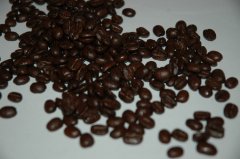
How Coffee Roast Levels Change Flavor
Ever wonder why the same coffee bean can taste bright and fruity one day, then bold and bitter the next? The secret isn’t in the bean itself—but in how it’s roasted. From the first sips of lightly roasted Ethiopian Yirgacheffe to the deep, smoky notes of a dark French roast, every flavor shift starts with the roast level.
In short: lighter roasts (like City or Cinnamon) highlight acidity and floral-fruity notes; medium roasts (like American or City+) balance acidity and body; dark roasts (like French or Italian) emphasize bitterness and chocolatey, smoky tones. The "best" roast depends on your bean, brew method, and personal taste.
The Origins of Coffee Roasting
Coffee’s journey to becoming a global drink began with raw experimentation. Early Arabic traders chewed whole coffee cherries for their juice, then ground the beans with animal fat for energy on long journeys. By around 1000 AD, they boiled raw beans into a soup—but it wasn’t until the 13th century that Arabs discovered roasting. This process unlocked coffee’s signature aroma, transforming it from a simple stimulant into the beloved beverage we know today.
Basic Roast Level Categories
Coffee roasts are commonly grouped into three broad levels, each creating distinct flavor profiles:
- Light Roast (e.g., Cinnamon, City): Short roast time, light brown color, no oil on the surface. These roasts preserve the bean’s original characteristics.
- Medium Roast (e.g., American, City+): Medium roast time, medium brown color, still no surface oil. Balances acidity and body.
- Dark Roast (e.g., French, Italian): Longer roast time, dark brown to nearly black, often with an oily surface. Enhances bitterness and bold flavors.
How Roast Level Alters Flavor
Roasting fundamentally changes coffee’s chemical makeup, especially through the Maillard reaction (a complex heat-driven process that develops flavor compounds). Here’s how:
- Light Roasts: Higher acidity, more pronounced floral, fruity, or acidic notes. The bean’s origin traits (like Yirgacheffe’s citrus or Ethiopian berry) shine brightest here.
- Medium Roasts: Acidity softens, body increases, and a balanced mix of sweetness and mild bitterness emerges. Ideal for showcasing a bean’s versatility.
- Dark Roasts: Acidity fades significantly, bitterness becomes dominant, and flavors lean toward chocolate, caramel, and smoky notes. Surface oils appear as roasting progresses.
What Determines the "Right" Roast?
There’s no universal “best” roast—your ideal choice depends on several factors:
- Bean Type: Lighter roasts highlight the unique profiles of single-origin beans (e.g., Yirgacheffe or Geisha); darker roasts can mask subtleties but enhance boldness.
- Brew Method: Pour-over and Aeropress often pair better with lighter roasts; espresso and French press can handle medium to dark roasts.
- Personal Preference: Some drinkers crave bright, acidic cups; others prefer rich, bitter flavors. Your taste is the ultimate guide.
Frequently Asked Questions
Does roasting time affect coffee acidity?
Yes—shorter roasting times (light roasts) preserve more acidity, resulting in brighter, tangier flavors. Longer roasts (dark roasts) reduce acidity, making the coffee taste smoother but less vibrant.
Why do dark roasts taste bitter?
Dark roasts develop more bitter compounds due to prolonged heat exposure, which breaks down sugars and amplifies Maillard reaction byproducts. This creates the bold, sometimes harsh flavors associated with French or Italian roasts.
Can I taste origin flavors in dark roasts?
It’s harder—dark roasting standardizes flavors across beans, often masking unique origin characteristics (like Ethiopian berry or Kenyan citrus). Light to medium roasts better highlight these nuances.
Is medium roast always the safest choice?
Not necessarily. While medium roasts balance acidity and body, the “safest” roast depends on your brew method and taste preferences. Experiment with light, medium, and dark to find your favorite.
Does roast level impact caffeine content?
Minimal difference—while some believe dark roasts have more caffeine, roast level has negligible effect on actual caffeine levels. The perception often comes from darker roasts’ stronger, bolder taste.
Recommended FrontStreet Beans for Roast Exploration
Try FrontStreet Coffee’s Ethiopia Yirgacheffe for a bright, acidic light roast with citrus and floral notes; their PWN Golden Mandheling offers a balanced medium roast with sweet, nutty depth; or their French Roast blend for a bold, dark roast with chocolatey bitterness. Each highlights how roast level transforms flavor. Freshly roasted within 5 days · Orders placed before 17:00 ship the same day · Next-day delivery across most of Guangdong Province.
FrontStreet Coffee is a long-established specialty coffee roaster in Guangzhou China, selling freshly roasted beans from its own farm in Yunnan as well as dozens of carefully selected single-origin beans from around the world for both pour-over and espresso. The products deliver consistently excellent quality and great value, with shipping within 24 hours. Guangzhou's FrontStreet Coffee shop is recommended by many coffee lovers, and the beans are now available online at the Tmall 。
Important Notice :
前街咖啡 FrontStreet Coffee has moved to new addredd:
FrontStreet Coffee Address: 315,Donghua East Road,GuangZhou
Tel:020 38364473