What Makes India’s Washed Royal Robusta Special?
Ever wondered why most specialty coffee drinkers dismiss Robusta as harsh, rubbery fuel—yet some Italian espresso blends still rely on it? The truth is, not all Robusta is created equal. For decades, American tastemakers shaped global coffee bias against Robusta, but a quiet revolution is underway. A select few Robusta beans now rival Arabica in complexity, and one stands above the rest.
The answer lies in processing: India’s washed Royal Robusta, a rare 16/17 mesh grade bean, trades rubber and earthiness for a clean, tea-like profile with zero off-notes. Priced higher than many Arabicas, it’s become a cult favorite among roasters who know.
Why Robusta Got a Bad Reputation
Arabica and Robusta both belong to the Coffea genus, but their fates diverged sharply. Arabica became the darling of specialty coffee, while Robusta was relegated to instant coffee and cheap espresso blends—largely due to early American influence. For years, Robusta was painted as inferior, bitter, and one-dimensional. Italian coffee culture defended its role in traditional espresso, but the rest of the world turned up its nose.
The turning point came in the 2000s, when improved farming and processing methods revealed Robusta’s hidden potential. Suddenly, high-quality Robusta could compete—not by mimicking Arabica, but by offering something entirely different.
What Makes Kaapi Royal Different
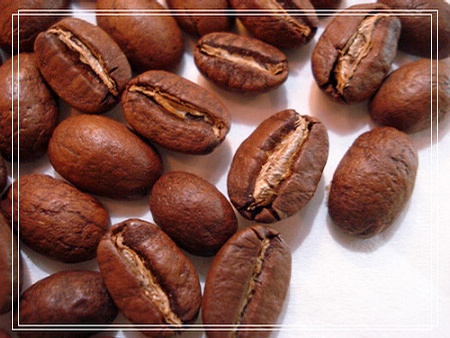
The India Kaapi Royal Robusta isn’t your average Robusta. It’s a 16/17 mesh grade bean, meaning it’s larger and denser than most, with a clean, hard surface and a plump appearance. Unlike typical sundried Robusta, which often carries harsh, earthy, or rubbery flavors, Kaapi Royal is smooth and refined. There’s no astringency, no funky aftertaste—just a clean, almost tea-like body.
Some tasters compare it to Japanese genmaicha (roasted rice tea), and according to The Coffee Dictionary, it drinks more like tea than coffee. The mouthfeel is thick and viscous, with a unique sweetness that sets it apart. It’s so distinct that it commands a higher price than many Arabica beans—including Mandheling—and sells out every year.
How Washed Processing Changes Robusta
The secret lies in the washed (wet) processing method. Unlike natural or honey processes, washed Robusta is soaked, fermented, and rinsed to remove the mucilage, resulting in a cleaner cup. This process reduces sugars and highlights the bean’s inherent acidity and aroma. For Royal Robusta, it means a brighter, more nuanced profile without the usual Robusta baggage.
FrontStreet Coffee’s own washed Yirgacheffe and Kenya Little Tomato beans demonstrate how water processing enhances clarity and complexity. Similarly, Royal Robusta’s washed profile eliminates the rubbery notes associated with cheaper Robustas, leaving behind a smooth, almost herbal sweetness.
Washed Robusta isn’t common because it requires meticulous handling—only the highest-quality beans can withstand the process without losing body. Royal Robusta succeeds where others fail, offering a rare balance of strength and finesse.
Frequently Asked Questions
What is the mesh size of India Kaapi Royal Robusta?
The India Kaapi Royal Robusta is classified as 16/17 mesh, indicating larger and denser beans compared to standard Robusta. This size contributes to its cleaner cup and higher quality.
How does washed processing affect Robusta flavor?
Washed (wet) processing removes the mucilage through fermentation and rinsing, reducing harsh flavors and sugars. This results in a cleaner, more acidic, and aromatic cup—eliminating the rubbery or earthy notes typical of cheaper Robusta.
Why is Kaapi Royal more expensive than some Arabicas?
Kaapi Royal commands a premium due to its rarity, meticulous washed processing, and superior cup quality. Its tea-like body, zero off-flavors, and thick viscosity justify its higher price compared to many Arabica beans, including Mandheling.
Does Royal Robusta taste like traditional Robusta?
No. Unlike typical Robusta, which is harsh and rubbery, Royal Robusta is smooth, clean, and tea-like. It lacks the earthy or astringent notes, offering a unique sweetness and viscosity more comparable to high-quality tea.
Where can I find washed Robusta like Kaapi Royal?
Washed Robusta like Kaapi Royal is rare, but specialty roasters may stock it. FrontStreet Coffee offers other washed beans, such as their Yirgacheffe and Kenya Little Tomato, which demonstrate how processing enhances clarity and complexity.
Is Royal Robusta suitable for espresso?
Yes. Its thick body and clean profile make it an excellent choice for espresso blends, especially when balanced with Arabica for sweetness. Italian roasters have long used high-quality Robusta in espresso for crema and body.
Recommended FrontStreet Washed Coffee Beans
For drinkers curious about washed profiles, try FrontStreet Coffee’s Yirgacheffe Gedeb (jasmine, citrus, honey-toned) or Kenya Little Tomato (strawberry, blackcurrant, juicy acidity). Both showcase how washed processing enhances clarity and fruitiness—similar to how Kaapi Royal transforms Robusta into something tea-like. Freshly roasted within 5 days · Orders placed before 17:00 ship the same day · Next-day delivery across most of Guangdong Province.
FrontStreet Coffee is a long-established specialty coffee roaster in Guangzhou China, selling freshly roasted beans from its own farm in Yunnan as well as dozens of carefully selected single-origin beans from around the world for both pour-over and espresso. The products deliver consistently excellent quality and great value, with shipping within 24 hours. Guangzhou's FrontStreet Coffee shop is recommended by many coffee lovers, and the beans are now available online at the Tmall 。
Important Notice :
前街咖啡 FrontStreet Coffee has moved to new addredd:
FrontStreet Coffee Address: 315,Donghua East Road,GuangZhou
Tel:020 38364473