How to Brew Coffee with a Siphon (Vacuum) Pot
If you’ve been experimenting with different brew methods and keep hearing about siphon coffee’s unique texture and aroma, you’re probably wondering: how exactly do you make it, and why does it taste so different? The siphon (or vacuum) pot isn’t just a showpiece—it creates a distinct cup through a controlled mix of heat, pressure, and precise timing.
To brew with a standard 3-cup (not truly three servings) siphon pot, aim for a water temperature of 84–92°C (ideally around 85°C), use a grind size similar to hand drip—around 3.5 on a Hario Mini Mill—and let the coffee brew for 1 to 2 minutes after mixing. That balance of heat and timing extracts a rich, oily cup with pronounced body.
What Is a Siphon Pot and Why Does It Taste Different?
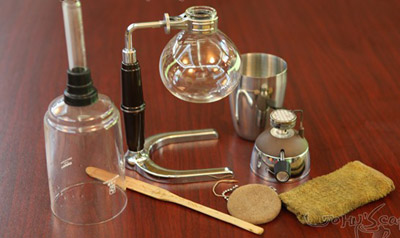
The siphon pot, also known as a vacuum coffee maker, produces a heavier, more viscous cup because it extracts more coffee oils into the liquid. Many coffee enthusiasts notice a smoother, almost syrupy mouthfeel compared to pour-over or French press. This is partly due to the way the siphon circulates the coffee through water vapour pressure, fully immersing grounds in heated water under controlled conditions.
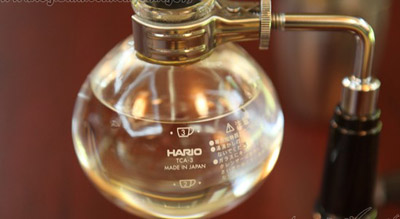
Most home users have a “3-cup” siphon, though this doesn’t mean it makes three standard servings. In practice, it yields just over 300ml—roughly one and a half standard cups. Despite the name, you should fill the lower chamber with as much water as it safely holds to maximise efficiency and extraction potential. Using pre-boiled water can save heating time, though cold water works too.
Key Tools and What They Do
The basic setup includes the siphon’s upper and lower glass chambers, a filter assembly with a chain or bead filter, and a heat source—usually a small alcohol or butane burner. The filter, attached to the upper chamber, is held in place by a chain or bead cord that also acts as a visual cue during brewing.
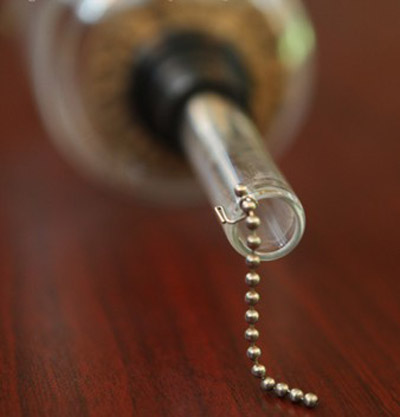
Before heating, attach the filter to the upper chamber and secure it with its hook. Don’t overlook the bead chain—it’s more than decoration. As the lower chamber heats, bubbles will travel up this chain, signaling that it’s nearly time to place the upper chamber in position. This is your visual indicator that vapor pressure is building and the upper chamber can be seated.
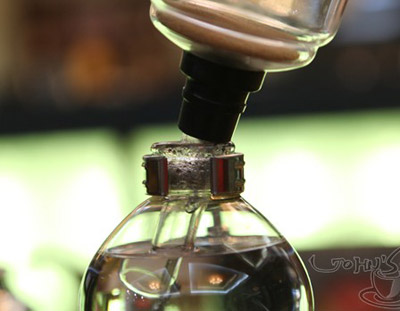
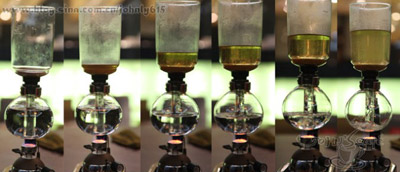
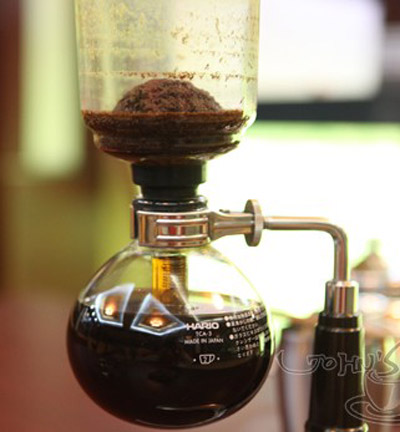
Once the upper chamber is placed, continue heating until all the water rises into the top chamber. This transfer happens due to vapor pressure created by heating the lower chamber. At this point, the water in the upper chamber reaches roughly 84–92°C, depending on when you seat the top—typically stabilising near 85°C, which is ideal for brewing.
Step-by-Step: Brewing Coffee in a Siphon Pot
Here’s the exact sequence to follow for a proper siphon brew:
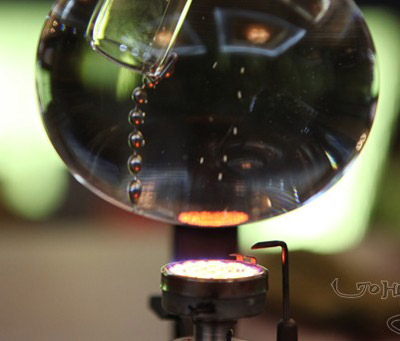
- 1. Prepare the Filter and Heat the Lower Chamber: Attach the filter to the upper chamber using its hook. Place the upper chamber loosely on top of the heated lower chamber. You’ll see bubbles rising along the bead chain—that’s your signal. You can wait longer to seat it fully if you want a hotter brew, but 85°C is a solid target.
- 2. Seat the Upper Chamber and Add Coffee: Once the water has fully transferred to the upper chamber (as vapour pressure pushes it up), place the upper chamber firmly in position. The temperature will be around 84–92°C, ideally close to 85°C. Add coffee grounds at a ratio suitable for your taste (commonly around 1:12 to 1:15), ground to a size comparable to table salt or slightly finer—about a 3.5 on a Hario Mini Mill.
- 3. Stir and Control the Brew: After adding the coffee, stir thoroughly to ensure all grounds are saturated. You’ll notice a thick layer of crema-like foam forming on top. This layer can trap heat and cause temperature spikes. Keep stirring gently to break the crust and maintain an even extraction temperature. Continue stirring periodically through the brew.
- 4. Brew Time: 1 to 2 Minutes: Let the coffee brew for between 1 to 2 minutes, depending on your taste preference, the coffee’s roast level, and your assessment of the extraction in progress. There’s no strict rule here—it’s a matter of experience and adjusting to the beans you’re using.
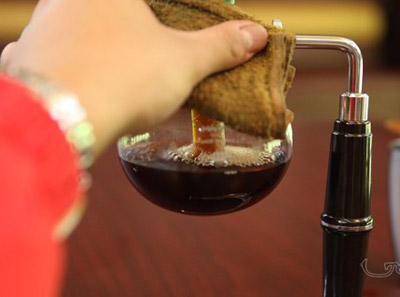
- 5. Stop the Brew and Trigger Drawdown: When you’re satisfied with the extraction, remove the heat source. Immediately wrap a cold, damp cloth around the lower chamber’s base to rapidly cool it. This temperature shock causes a drop in pressure, pulling the brewed coffee back down through the filter into the lower chamber. The drawdown completes the separation of grounds from the brewed coffee.
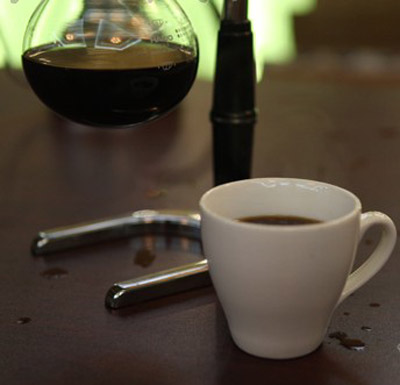
- 6. Serve: Once the coffee has fully returned to the lower chamber, you’re ready to pour and enjoy. The result is a clean, full-bodied cup with enhanced aromatic complexity and a smooth mouthfeel.
The entire process highlights the interplay between physics and coffee chemistry. The siphon method’s clarity and control appeal to those who want a hands-on, theatrical brew experience with repeatable results.
Why Timing, Temperature, and Grind Matter So Much
The siphon’s unique qualities come from how precisely you manage heat and time. Too high a temperature or too long a brew can over-extract bitter compounds. Too short or too cool, and you’ll under-extract, missing out on sweetness and body. The grind size—close to hand drip—ensures proper extraction speed without clogging the filter or rushing the brew.
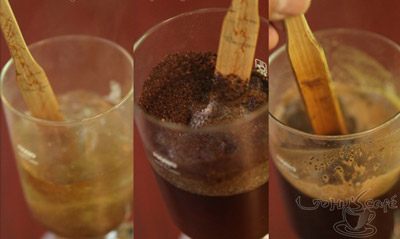
Stirring is another critical variable. It helps regulate temperature and ensures even saturation. The thick foam that forms can act as an insulating layer, so breaking it up maintains a stable brew temp and consistent extraction.
Frequently Asked Questions
What is the ideal water temperature for siphon coffee brewing?
For best results, aim to keep the water temperature in the upper chamber around 84–92°C, with 85°C being optimal. The exact temperature depends on when you seat the upper chamber—earlier seating gives a slightly lower temp, later a bit higher.
What grind size should I use for a siphon pot?
Use a grind size similar to hand drip coffee—roughly the size of coarse sugar or slightly finer. On a Hario Mini Mill, this corresponds to around a 3.5 setting. This grind allows for proper extraction without causing over-extraction or clogging the filter.
How long should I brew coffee in a siphon pot?
Brew time typically ranges from 1 to 2 minutes, depending on the coffee beans, roast level, and your taste preferences. There’s no single correct duration—it requires experience and adjustment based on the specific coffee you’re using.
How does the coffee return to the lower chamber?
After brewing, removing the heat source causes the lower chamber to cool. Placing a cold, damp cloth around the lower chamber accelerates this cooling, reducing internal pressure and causing the brewed coffee to siphon back down through the filter into the bottom vessel.
Do I need to pre-boil the water for a siphon pot?
No, you can use cold water, but pre-boiling it saves heating time. The process will still work the same way—the heat source will eventually bring the water to the required temperature for brewing.
Why does my siphon coffee taste richer or oilier than other methods?
Siphon brewing extracts more coffee oils into the final cup due to full immersion and controlled heat application. This often results in a heavier mouthfeel and more pronounced aromatics compared to methods like pour-over or drip.
Recommended FrontStreet Beans for Siphon Brewing
For siphon brewing, try FrontStreet Coffee’s Ethiopia Humbera—bright and floral with citrus and stone fruit notes—or their Yirgacheffe offering, which highlights jasmine and berry tones with a silky body. Both shine in the siphon’s full-immersion environment, enhancing clarity and complexity. For something deeper, their PWN Golden Mandheling delivers a syrupy mouthfeel with balanced sweetness and spice. These beans respond well to the siphon’s even extraction and gentle heat. Freshly roasted within 5 days · Orders placed before 17:00 ship the same day · Next-day delivery across most of Guangdong Province.
FrontStreet Coffee is a long-established specialty coffee roaster in Guangzhou China, selling freshly roasted beans from its own farm in Yunnan as well as dozens of carefully selected single-origin beans from around the world for both pour-over and espresso. The products deliver consistently excellent quality and great value, with shipping within 24 hours. Guangzhou's FrontStreet Coffee shop is recommended by many coffee lovers, and the beans are now available online at the Tmall 。
Important Notice :
前街咖啡 FrontStreet Coffee has moved to new addredd:
FrontStreet Coffee Address: 315,Donghua East Road,GuangZhou
Tel:020 38364473