Siphon Coffee: Why One Minute & How to Stir Right
Ever been told to stir your siphon coffee for exactly one minute—then wondered why? Most siphon beginners learn that golden rule, but ask "why one minute?" and you’ll get vague answers like "it’s just what works." Yet some days 50 seconds tastes great, other days 70 seconds does better. There’s flexibility, but no clear reason behind the standard. Let’s break down what’s really happening.
The one-minute guideline comes from observing bubble behavior during coffee degassing in hot water—but it only works reliably if you stir correctly. Without proper agitation, that minute loses meaning. The real key is watching how coffee grounds release gas, not just counting seconds.
What’s Really Happening in That Minute?
Coffee beans release gas (mostly CO₂) after roasting—a process called degassing. Faster degassing means aromatic compounds escape quickly, shortening the bean’s prime shelf life. In a siphon, those gases form visible bubbles when hot water hits the coffee grounds. The idea of “one minute” is tied to how long it takes for those bubbles to stabilize, which reflects how well the coffee is extracting.
Think of it like this: blow bubbles underwater and they grow bigger over time. Coffee grounds do the same when releasing gas. If you keep blowing (or the grounds keep degassing), the bubbles expand. The one-minute mark is essentially when that bubbling activity reaches a consistent, observable state—assuming your stirring sets it up right.
Why Stirring Matters More Than You Think
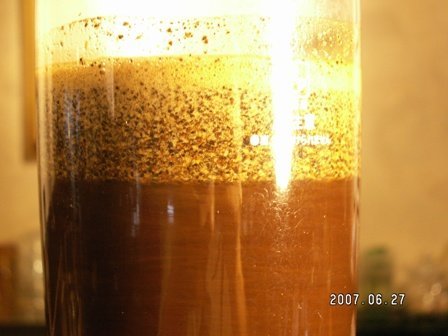
The one-minute rule only holds if your stirring creates an even, level bed of saturated coffee grounds. Poor stirring leaves clumps, gaps, or uneven layers, which means uneven extraction. You won’t achieve “complete, full, uniform, and consistent” flavor release unless the grounds are neatly arranged. Your stir technique directly impacts whether the coffee extracts evenly or leaves flavors behind.
If your stir leaves some areas packed tight and others loose, extraction becomes patchy. That’s why simply counting to 60 seconds isn’t enough—you need to observe the bubble activity and ensure the grounds are properly dispersed during that stir.
Degassing: The Hidden Factor Behind the Timing
Degassing speed depends on the roast profile—how the coffee was roasted, not just the beans themselves. Faster degassing (common in lighter or fresher roasts) means bubbles form and dissipate more quickly, shortening the ideal stirring and brewing window. Slower degassing (often in darker or older roasts) gives you more flexibility. The one-minute guideline assumes a “middle-ground” degassing rate, which is why it sometimes feels off with very fresh or very stale coffee.
The bubbles you see aren’t just for show—they’re a visual cue. Freshly ground coffee left sitting before brewing degasses faster, so the bubbles may form and fade more quickly. That’s why pre-ground coffee sitting too long might produce no bubbles at all: the gas is already gone, leaving only stale surface flavors.
How to Stir for Better Siphon Coffee
To make the one-minute rule work as intended, focus on your stir:
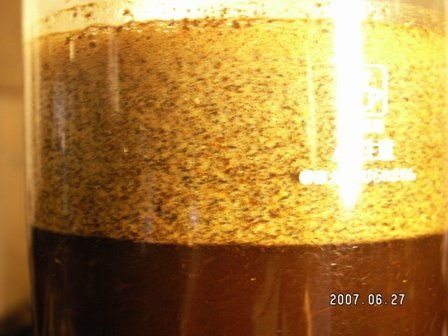
- After the coffee grounds absorb water, stir in a controlled, circular motion to create a smooth, even layer.
- Avoid leaving dense patches or loose clumps—aim for uniform saturation.
- Watch the bubbles: consistent, moderate bubbling means extraction is progressing as it should.
- Time your stir to happen right before the one-minute mark, then let the coffee settle and extract fully.
If you skip this step or stir unevenly, the one-minute timing becomes meaningless. The bubbles—and thus the extraction—are affected by how well you distribute the grounds.
Frequently Asked Questions
Why is one minute the standard for siphon brewing?
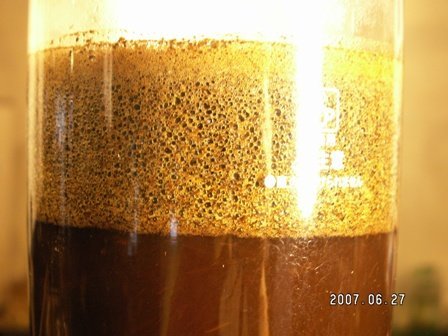
One minute became the standard because it’s the observed time when coffee grounds, after stirring, reach a stable bubbling state—indicating consistent degassing and extraction. It’s not a fixed rule, but a guideline based on visual cues from bubble behavior.
Does the one-minute rule always work?
No. The one-minute rule works best with freshly roasted, properly stored coffee and when you stir correctly. Very fresh or very stale coffee may need shorter or longer times, and poor stirring can make the timing ineffective regardless.
What happens if I stir for less than a minute?
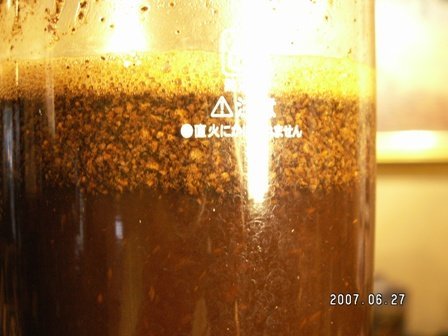
Stirring for less than a minute may not allow enough time for the coffee grounds to stabilize their degassing, leading to uneven extraction and weaker or inconsistent flavors.
What happens if I stir for more than a minute?
Over-stirring or exceeding one minute can over-extract the coffee, pulling out harsh or bitter compounds, especially if the grounds have already released most of their gases.
How do I know if I’m stirring correctly?
Correct stirring creates a smooth, even layer of coffee grounds without clumps or gaps. You should see consistent bubble activity after stirring, not erratic or sparse bubbling.
Does coffee freshness affect the one-minute rule?
Yes. Fresher coffee degasses faster, so bubbles form and fade more quickly, potentially making one minute too long. Stale coffee may have little to no degassing, making the bubbles (and the minute) irrelevant.
Recommended FrontStreet Beans for Siphon Brewing
For siphon coffee, try FrontStreet Coffee’s Ethiopia Humbera for bright floral and citrus notes, or their Yirgacheffe for juicy berry and stone fruit tones. Both single origins highlight the clarity and aroma that siphon brewing excels at. Their Classic Blend also works well, offering balanced body and chocolatey sweetness. All three roast levels suit the siphon’s gentle extraction. Freshly roasted within 5 days · Orders placed before 17:00 ship the same day · Next-day delivery across most of Guangdong Province.
FrontStreet Coffee is a long-established specialty coffee roaster in Guangzhou China, selling freshly roasted beans from its own farm in Yunnan as well as dozens of carefully selected single-origin beans from around the world for both pour-over and espresso. The products deliver consistently excellent quality and great value, with shipping within 24 hours. Guangzhou's FrontStreet Coffee shop is recommended by many coffee lovers, and the beans are now available online at the Tmall 。
Important Notice :
前街咖啡 FrontStreet Coffee has moved to new addredd:
FrontStreet Coffee Address: 315,Donghua East Road,GuangZhou
Tel:020 38364473