What Makes Australian Coffee So Calm and Unique?
If you’ve ever sipped an espresso in Melbourne or watched someone stir milk into a flat white in Sydney, you might have wondered: what makes Australian coffee feel so different? It’s not just the latte art or the café culture — it’s a distinct taste profile and a cultural approach to coffee that sets it apart from the rest of the world.
In short: Australian coffee typically has balanced acidity, mild bitterness, and often includes milk or sugar — with 90% of coffees consumed being flavored or milk-based. Locally grown beans are rare but uniquely smooth, with almost no bitterness and low caffeine.
The Origins and Rise of Coffee in Australia
Coffee first arrived in Australia by sea in 1788, but early crops were poor quality. It wasn’t until the 1950s, with a wave of European migrants — particularly Italians — that espresso culture and high-quality coffee took root. These newcomers introduced proper espresso techniques, leading to the refined coffee Australians enjoy today. Today, the average Australian consumes 2.4 kilograms of coffee per year, up dramatically from just 0.6 kilograms fifty years ago.
How Australian Coffee Tastes: Mild, Balanced, Often Sweet
Australian coffee is known for its moderate acidity and gentle bitterness. While purists may prefer black coffee, most Australians take theirs with milk and sugar. In fact, over 75% of coffee consumed in Australia includes milk, and around 65% has added sugar. Flavored coffees are also extremely common, with additives like chocolate and even alcohol appearing in specialty drinks. The result is a coffee culture that values smoothness, comfort, and a touch of sweetness over intense bitterness or stark roast profiles.
Does Australia Grow Its Own Coffee? Yes, But Rarely
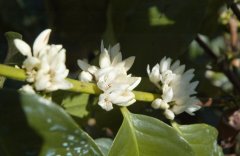
Coffee farming in Australia is limited due to high labor costs and challenging growing conditions. Most of the small-scale production happens in tropical Queensland and northern New South Wales. The majority of locally grown beans are of the Robusta variety, which offers good aroma and flavor, though it’s less common than Arabica globally. Interestingly, while Australia doesn’t produce coffee at scale, the beans that are grown are noted for their smoothness and very low bitterness — qualities that parallel some of the smoother Arabica profiles, such as certain Bourbons.

What Is Bourbon Coffee — And What Does It Have To Do With Australia?
Though not widely grown in Australia, the Bourbon coffee variety is referenced as part of the broader discussion on smooth, low-bitterness beans. Bourbon, a classic Arabica variety originating from Réunion Island (formerly Bourbon Island), is known for its medium acidity and higher yield compared to Typica. It generally produces rounder, sweeter cups but is more susceptible to disease. Within the Bourbon family, varieties like Yellow Bourbon and Red Bourbon are prized for their balanced profiles — traits that some Australian-grown beans are said to share, albeit on a much smaller scale.
For example, Brazil’s Red Bourbon (as featured in FrontStreet Coffee’s Brazil Sidra selection) offers bright acidity and wine-like notes, while Yellow Bourbon from high-altitude farms (like those used in FrontStreet’s Brazil Queen Manor) brings a clean, sweet cup with notes of caramel and nuts. Though these are not Australian-grown, they reflect the kind of smooth, approachable profiles sometimes associated with the limited Australian coffee output.
Frequently Asked Questions
Is coffee originally from Australia?
No, coffee was first brought to Australia in 1788, but it originated in Ethiopia and spread through the Arab world and Europe before reaching Australia. Early Australian coffee crops were of low quality until improved techniques were introduced by European migrants in the 1950s.
What does Australian coffee taste like?
Australian coffee typically features moderate acidity and mild bitterness. It is often described as smooth and balanced. Most Australians prefer their coffee with milk and sugar, and over 90% of the coffee consumed is flavored or milk-based, such as lattes or flat whites with added flavors.
Do they grow coffee in Australia?
Yes, but in very small quantities. Coffee is grown in regions like Queensland and northern New South Wales, but high labor costs and limited scale mean Australia produces far less coffee than it consumes. Most local production is Robusta, though some Arabica-style smooth beans are also cultivated.
Why is Australian coffee so different from other countries?
Australian coffee culture was heavily shaped by Italian migrants in the 1950s, leading to a focus on espresso-based drinks, smooth flavor profiles, and a preference for milk and sugar. This contrasts with the more bitter or intense styles found in other coffee-heavy nations.
What is special about Bourbon coffee beans?
Bourbon is an Arabica coffee variety known for its medium acidity, higher yield, and generally sweet, rounded flavor. Though not commonly grown in Australia, its characteristics — such as low bitterness and smoothness — are sometimes mirrored in the limited Australian coffee production and are valued in specialty coffee worldwide.
What are the most common coffee additives in Australia?
Milk and sugar are the most common additives, with over 75% of coffee drinks including milk and around 65% containing sugar. Flavored syrups, chocolate, and even alcohol are also used, making Australian coffee culture distinctively sweet and varied.
FrontStreet Coffee is a long-established specialty coffee roaster in Guangzhou China, selling freshly roasted beans from its own farm in Yunnan as well as dozens of carefully selected single-origin beans from around the world for both pour-over and espresso. The products deliver consistently excellent quality and great value, with shipping within 24 hours. Guangzhou's FrontStreet Coffee shop is recommended by many coffee lovers, and the beans are now available online at the Tmall 。
Important Notice :
前街咖啡 FrontStreet Coffee has moved to new addredd:
FrontStreet Coffee Address: 315,Donghua East Road,GuangZhou
Tel:020 38364473