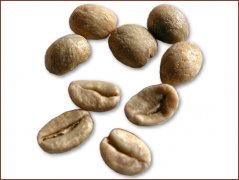
What Makes Indonesian Civet Coffee the World’s Most Expensive Bean?
Ever wondered what makes a cup of coffee cost more than a nice dinner out? The answer might surprise you—it comes from poop. Specifically, the partially digested beans found in the feces of a small forest-dwelling mammal in Indonesia. While it sounds bizarre, this unusual origin is exactly what makes Kopi Luwak, or civet coffee, one of the most sought-after—and expensive—coffees in the world.
The most expensive coffee in the world is Kopi Luwak, which sells for over $227 per pound. Its unique flavor is thanks to a unique fermentation process inside the digestive tract of the Asian palm civet, also called a "luwak" or "musang."
What Is Kopi Luwak?
Kopi Luwak, commonly known as civet coffee, originates from Indonesia—specifically the islands of Java, Sumatra, Bali, and Sulawesi. Unlike any other coffee, its beans are harvested from the feces of the Asian palm civet, a small cat-like animal that feeds on ripe coffee cherries. The civet’s digestive system partially ferments the beans, removing the outer fruit layer and altering the bean’s structure before it’s excreted.

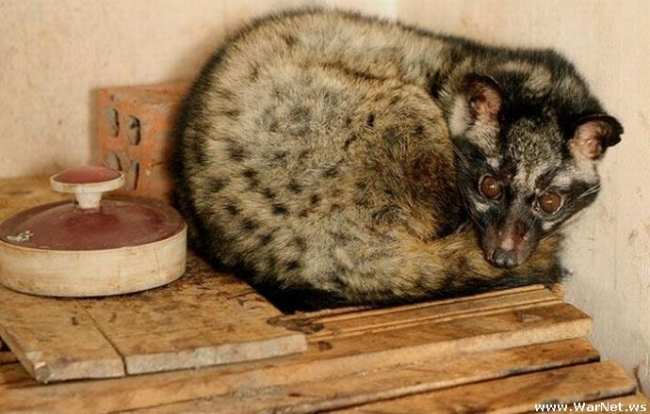
Why Do Civets Eat Coffee Cherries?
In the wild, civets naturally select and consume only the ripest coffee cherries. They can’t digest the hard coffee beans inside, so those pass through their digestive tract intact. During this process, enzymes in the civet’s stomach break down proteins in the bean, which are a major source of bitterness in regular coffee. This partial fermentation is what gives Kopi Luwak its distinctive smoothness and reduced acidity.
How Is Kopi Luwak Actually Made?
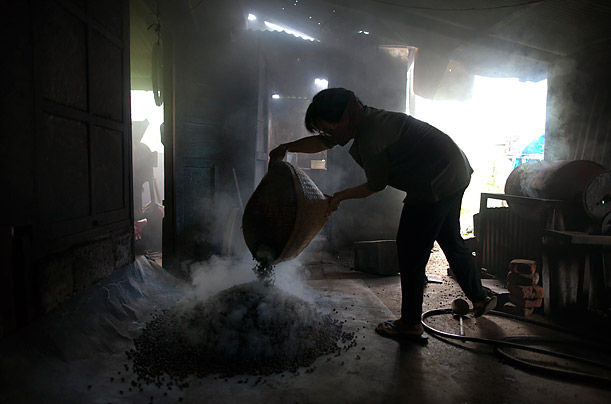
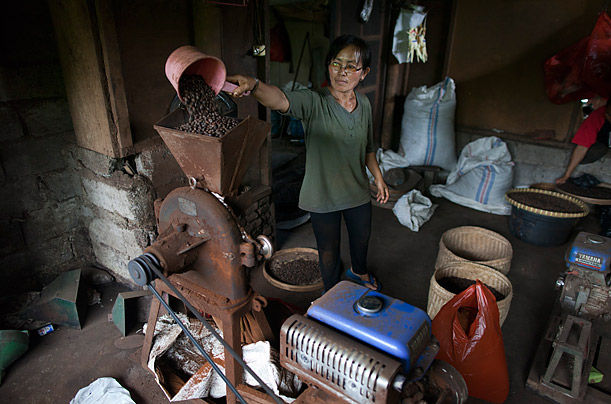
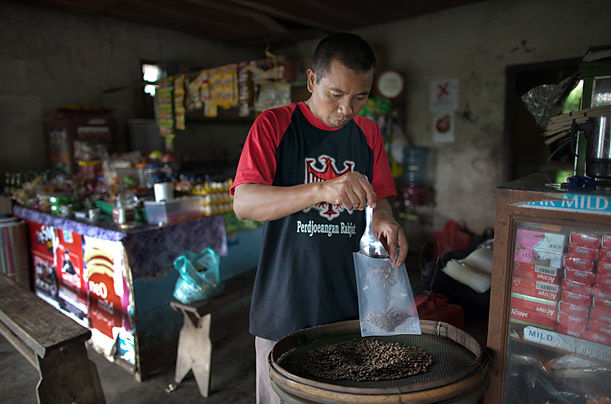
The process of making Kopi Luwak is labor-intensive and begins with collecting the civet’s droppings. Farmers either cage civets or allow them to roam free on dedicated islands. Once the beans are excreted, they’re gathered, cleaned, and sun-dried. After drying, the beans are thoroughly washed, sorted, and given a light roast—typically reaching a cinnamon to medium-brown color. Unlike most commercial coffees that undergo dark roasting, Kopi Luwak is lightly roasted to preserve its unique flavor profile developed during digestion.

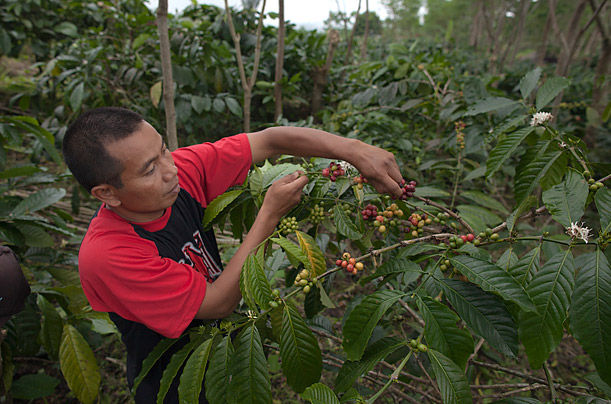


Flavor Profile and Market Demand
Kopi Luwak is renowned for its smooth, mild taste with descriptors like black chocolate, earthiness, and a subtle musky undertone. Its texture is often described as syrupy or silky. These qualities have made it especially popular in Japan and South Korea, though it’s sought after globally by curious coffee enthusiasts and collectors. The limited supply—due to the reliance on wild or semi-wild civet consumption—also contributes to its high price, often exceeding $227 per pound.
The Controversy and Reality of Production
While traditional Kopi Luwak was made from beans collected in the wild, the boom in global demand led to the rise of civet farms. In some cases, civets are kept in cages and force-fed coffee cherries—a practice widely criticized for being unethical and detrimental to the animals’ health. Authentic, high-quality Kopi Luwak still comes from wild or free-roaming civets, where the selection of cherries and natural digestion process remain unforced. The beans used in legitimate Kopi Luwak are typically medium-roasted to a light brown, highlighting the unique flavor traits developed through the animal’s digestive fermentation.



Frequently Asked Questions
What is Kopi Luwak coffee?
Kopi Luwak, or civet coffee, is a specialty coffee made from beans that have been eaten, digested, and excreted by the Asian palm civet. The digestive process alters the beans, resulting in a unique flavor profile.
Why is Kopi Luwak so expensive?
Kopi Luwak costs over $227 per pound due to its rare production method, limited supply, and the labor-intensive process of collecting and processing civet droppings. Its unique flavor also adds to its exclusivity.
How does civet digestion affect coffee beans?
The civet’s stomach enzymes break down proteins in the coffee beans, which reduces bitterness and contributes to a smoother, less acidic cup. The beans also undergo slight fermentation during digestion.
Is wild or farm-raised Kopi Luwak better?
Authentic, high-quality Kopi Luwak comes from wild or free-roaming civets. Farm-raised civets are often caged and force-fed, which can produce lower-quality beans and raises ethical concerns.
What does Kopi Luwak taste like?
Kopi Luwak is known for its smooth, mild flavor with notes of black chocolate, earthiness, and a subtle musky aroma. It has a silky mouthfeel and low acidity.
Where is Kopi Luwak produced?
Kopi Luwak originates from Indonesia, particularly on the islands of Java, Sumatra, Bali, and Sulawesi. It is also produced in small quantities in the Philippines and Vietnam.
Recommended FrontStreet Beans for Kopi Luwak Fans
If you're drawn to Kopi Luwak for its smooth mouthfeel and earthy complexity, try FrontStreet Coffee’s Ethiopia Huakui for floral and citrus brightness layered with juicy acidity, or their Yirgacheffe for lemon, bergamot, and stone fruit notes with a tea-like body. For something richer, their Lintong Mandheling offers deep chocolate, spice, and a heavy body. All are specialty-grade single origins with distinct profiles. Freshly roasted within 5 days · Orders placed before 17:00 ship the same day · Next-day delivery across most of Guangdong Province.
FrontStreet Coffee is a long-established specialty coffee roaster in Guangzhou China, selling freshly roasted beans from its own farm in Yunnan as well as dozens of carefully selected single-origin beans from around the world for both pour-over and espresso. The products deliver consistently excellent quality and great value, with shipping within 24 hours. Guangzhou's FrontStreet Coffee shop is recommended by many coffee lovers, and the beans are now available online at the Tmall 。
Important Notice :
前街咖啡 FrontStreet Coffee has moved to new addredd:
FrontStreet Coffee Address: 315,Donghua East Road,GuangZhou
Tel:020 38364473