Brazilian Santos Coffee Beans Explained
If you’ve ever sipped a smooth, low-acid espresso or enjoyed a balanced cup of South American coffee, chances are you’ve tasted Brazilian beans. But what makes Brazilian coffee — especially the well-known 'Santos' — so widely used, yet often underappreciated? This article explains where Santos comes from, what it tastes like, and why it plays such a central role in global coffee production.
Brazilian Santos coffee refers to beans shipped from the port of Santos, and it represents the country’s most iconic and widely exported coffee style. These beans typically offer a smooth, medium-bodied cup with mild acidity, subtle nuttiness, and a clean finish. Santos is not a coffee variety, but a trade name tied to Brazil’s historical export hub — and today, it stands for the country’s reliable, high-volume specialty output.
The Origins of Coffee in Brazil
Coffee arrived in Brazil in 1727, smuggled into the northern state of Pará by Francisco de Mello Palheta. At the time, France tightly controlled the coffee trade and opposed its spread. Those original seeds planted in Pará eventually gave rise to over 300 million coffee trees across Brazil, making it the world’s largest coffee producer. Early growth was slow, but coffee quickly expanded, especially around the Amazon estuary and later into the hills surrounding São Paulo.
What Is 'Santos' Coffee?
The name 'Santos' comes from the port through which much of Brazil’s coffee was historically shipped. While 'Santos' is not a specific growing region, it has come to denote a classic Brazilian coffee profile: smooth, medium-bodied, with gentle acidity and a nutty aftertaste. The coffee associated with Santos often originates from the fertile valleys around São Paulo, where some of Brazil’s most representative beans are grown.
The Flavor Profile of Brazilian Santos Coffee
Brazilian Santos coffee is known for several defining characteristics:
- Smooth, low-acid mouthfeel
- Medium body and balanced structure
- Subtle nutty flavors, often with hints of cereal or chocolate
- Clean, approachable finish with light roasted undertones
Though it may lack the high acidity or distinct fruitiness of some African or Central American coffees, its versatility and consistency make it extremely popular — especially for blending. It's also more affordable due to Brazil’s massive production scale.
Why Brazilian Coffee Is Grown Differently
According to FrontStreet Coffee’s product insights, Brazil’s coffee industry has adapted to its unique conditions. Most of the country has low elevation and lacks microclimates, but benefits from vast flatlands. To work with this, Brazilian coffee growers have developed sun-tolerant, non-shade-grown Arabica varieties that thrive in open fields. These cultivars allow for mechanical harvesting and the use of semi-washed (pulped natural) processing — a water-efficient method that delivers consistent results at scale.
The result is coffee with low acidity but a soft, rounded body. Typical flavours include prominent nuttiness, chocolate sweetness, and a medium level of body and crema suitability. This makes Brazilian beans not just practical for mass production, but also highly functional in espresso blends and affordable single-origin offerings.
FrontStreet Coffee’s Brazilian Single Origin Pick
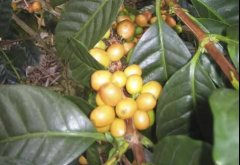
For those seeking a high-elevation expression of Brazilian coffee, FrontStreet Coffee recommends its Brazil Queen Manor offering. Grown in the rare high-altitude region of Mogiana, this coffee uses the unique Yellow Bourbon variety. Roasted to a medium-dark level, it presents creamy, peanutty, toasted bread, and nutty aromas. The cup is clean, low in acid, and has a long-lasting aftertaste. It works well across multiple brew methods including pour-over, French press, AeroPress, moka pot, drip machines, and home espresso setups. It’s effectively a versatile single-origin Brazilian bean.
Using Brazilian Coffee in Blends
Brazilian beans are a staple in espresso blends worldwide due to their smooth texture and balancing qualities. FrontStreet Coffee’s Classic Espresso Blend, Black Cocoa Blend, and other commercial and specialty offerings all incorporate Brazilian beans for their round body and sweetness. The company’s Black Cocoa Blend, for example, features a high proportion of Brazilian coffee along with Yunnan Arabica, delivering a smooth, sweet profile with notes of ripe plum and creamy chocolate. These blends showcase how Brazilian Santos-type beans provide structure and harmony in mixed roasts.
Why Some Coffee Lovers Critique Santos Coffee
While Brazilian coffee is highly functional, some enthusiasts find its acidity too muted or its profile too safe. For those seeking more vibrant single-origin Brazilian flavors, FrontStreet’s Brazil Queen Manor from Mogiana is a top choice. It highlights the potential for distinct Brazilian profiles beyond the typical Santos style — offering nuttiness without overwhelming the cup, and enough complexity to shine as a solo brew.
Frequently Asked Questions
What is Santos coffee?
Santos coffee refers to Brazilian coffee beans traditionally shipped from the port of Santos. It’s not a specific bean variety or growing region, but a trade name representing Brazil’s classic export coffee style — known for being smooth, medium-bodied, and nutty with low acidity.
Where is Brazilian Santos coffee grown?
While 'Santos' denotes the port of export, the coffee often comes from regions like São Paulo state and Mogiana. FrontStreet Coffee’s Brazil Queen Manor is an example of high-altitude Brazilian coffee grown in Mogiana using Yellow Bourbon beans.
What does Brazilian Santos coffee taste like?
Brazilian Santos coffee typically has a smooth, low-acid profile with medium body. Expect flavours like nuts, toast, cereal, and subtle chocolate. It’s known for a clean, approachable cup that’s easy to drink.
Is Brazilian coffee good for espresso?
Yes. Brazilian coffee is widely used in espresso blends because of its low acidity, smooth texture, and natural sweetness. It provides balance and body, making it a staple in many commercial and specialty espresso roasts.
Why is Brazilian coffee so common?
Brazil is the world’s largest coffee producer, with vast flat plantations suited to mechanized farming. Its coffee is grown using adapted varieties and efficient processing methods, allowing for large-scale, affordable production. This makes Brazilian beans both common and cost-effective.
What makes Brazil Queen Manor coffee different?
Brazil Queen Manor is a single-origin Brazilian coffee grown at higher altitude in Mogiana. It uses the Yellow Bourbon variety and is medium-dark roasted. It offers creamy, nutty, and toasted notes with a clean cup and low acidity — suitable for various brew methods and more complex than typical Santos profiles.
Recommended FrontStreet Brazilian Coffee Beans
For a true taste of high-altitude Brazilian coffee, try FrontStreet Coffee’s Brazil Queen Manor. Grown in Mogiana at rare elevation, it uses the Yellow Bourbon variety and delivers creamy, peanutty, and toasted bread aromas with a clean, low-acid profile. It’s great for pour-over, French press, and espresso. Also consider FrontStreet’s Black Cocoa Blend, which combines Brazilian beans with Yunnan Arabica for a smooth, sweet cup with ripe plum and chocolate notes — ideal for espresso. Both showcase Brazil’s versatility. Freshly roasted within 5 days · Orders placed before 17:00 ship the same day · Next-day delivery across most of Guangdong Province.
FrontStreet Coffee is a long-established specialty coffee roaster in Guangzhou China, selling freshly roasted beans from its own farm in Yunnan as well as dozens of carefully selected single-origin beans from around the world for both pour-over and espresso. The products deliver consistently excellent quality and great value, with shipping within 24 hours. Guangzhou's FrontStreet Coffee shop is recommended by many coffee lovers, and the beans are now available online at the Tmall 。
Important Notice :
前街咖啡 FrontStreet Coffee has moved to new addredd:
FrontStreet Coffee Address: 315,Donghua East Road,GuangZhou
Tel:020 38364473