What Microscopic Coffee Beans Really Look Like
Ever wondered what makes a coffee bean’s origin, variety, or roast level actually visible? When you look closely—really closely—at coffee beans from different regions, the differences jump out. Color, surface texture, density, and even the way light reflects off the surface tell you a lot about how that bean was grown, processed, and roasted. These micro-details influence not just appearance but also how the coffee extracts and tastes.
In short, microscopic views of coffee beans reveal physical traits tied directly to origin, variety, and roast. For example, a Yellow Bourbon from Brazil shows a pale tan with smooth, even surfaces, while a Sidra from Nepal may appear darker and more uneven. These aren’t just visual quirks—they signal real differences in density, processing, and flavor potential.
Yellow Bourbon, Brazil: A Classic Medium Roast Profile
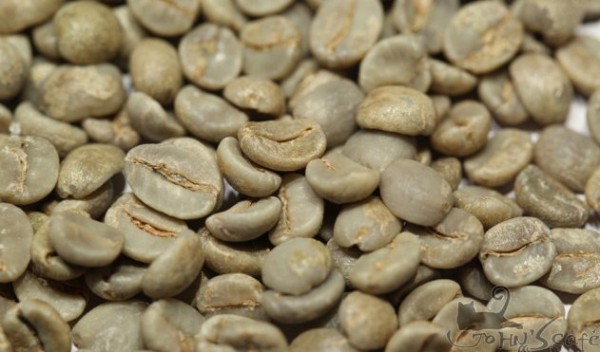
The Yellow Bourbon variety from Brazil, specifically the Santa Inês region (often referred to in context as ''), typically grows at higher altitudes and develops a balanced cup. Visually, these beans often appear a soft tan or golden brown after medium roast. Their surface is generally smooth and even, reflecting a stable moisture level and medium-density structure. This variety is known for its round mouthfeel, mild acidity, and strong sweetness with a caramel-like finish. It’s a reliable, approachable bean with a profile that includes nutty and buttery notes, making it a favorite for both espresso and pour-over.
Sidra, Nepal: Rare High-Altitude Processing
The Syanja-grown Sidra variety from Nepal is far less common than Brazilian or Colombian coffees, but offers unique visual and flavor traits. Grown at significant altitude in the Himalayan foothills, these beans may show a slightly darker, uneven coloration due to variable drying conditions and the use of special processing—such as double anaerobic fermentation in some cases. The surface might appear more irregular under magnification, hinting at a denser bean structure that holds up to nuanced processing. Flavors reported include tropical fruit, stone fruit, and florals, with a juicy body and high sweetness.
Geisha (or Similar), Colombia: Complex Cup from Narino
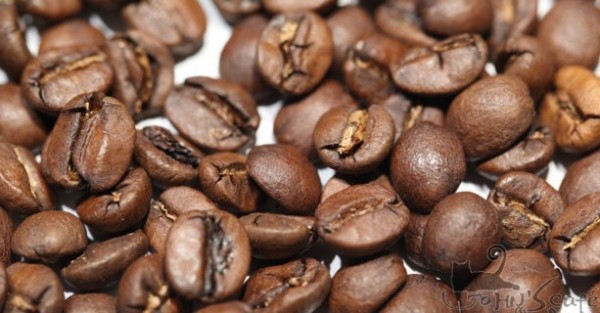
Though labeled here as '', the likely reference is to a high-quality, possibly Geisha-related variety grown in Colombia’s Narino region. Narino beans, often grown at over 1,800 meters, are known for their bright acidity and complex profile. Microscopically, these beans can appear tight, with a consistent shape and a lighter, almost yellowish-green hue pre-roast. Post-roast, depending on the roast level, they may show oil sheen earlier than other varieties due to higher density and sugar development. The flavors often include citrus, jasmine, tropical fruits, and honey, with a tea-like finish. These beans respond exceptionally well to light to medium roast levels that preserve their delicate attributes.
Why Bean Appearance Varies by Origin and Process
Coffee bean appearance under magnification changes based on several factors:
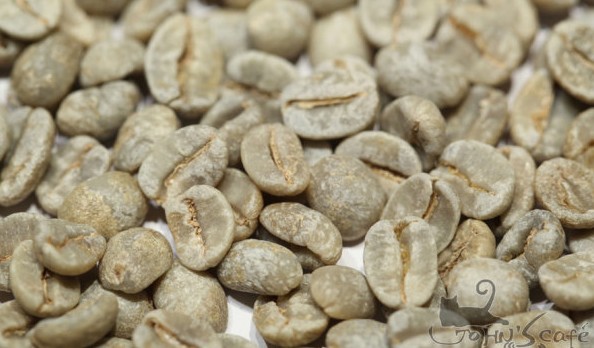
- Variety: Different cultivars (like Bourbon, Sidra, or Geisha) have inherent differences in size, shape, and density.
- Altitude: Higher-grown beans tend to be denser, with tighter cell structures and more even coloration.
- Processing Method: Washed beans usually have cleaner surfaces, while natural or honey processed beans may show slight discoloration or stickiness residues.
- Roast Level: Light roasts preserve origin characteristics and often show more varied color tones. Darker roasts lead to uniformity in color but can obscure origin traits.
These traits impact not only how the bean looks but also how it extracts during brewing. Denser beans from high altitudes often require slightly higher brew temperatures or longer extraction times to fully develop their flavors.
Frequently Asked Questions
What does a Brazilian Yellow Bourbon coffee bean look like up close?
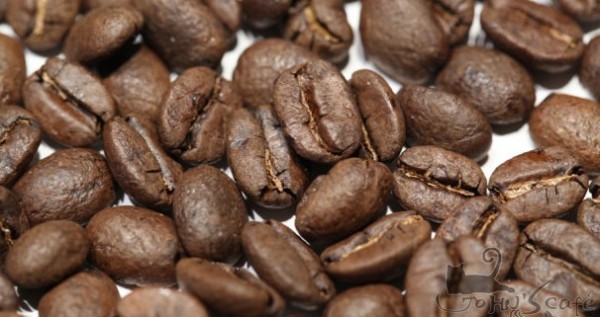
Under magnification, a Brazilian Yellow Bourbon bean typically appears smooth and evenly colored, often in a soft tan or golden tone. The surface is consistent, indicating medium density and a stable moisture content. These visual traits reflect its medium roast suitability and balanced flavor profile, with mild acidity and sweet, nutty notes.
How can you tell a Nepalese coffee bean apart visually?
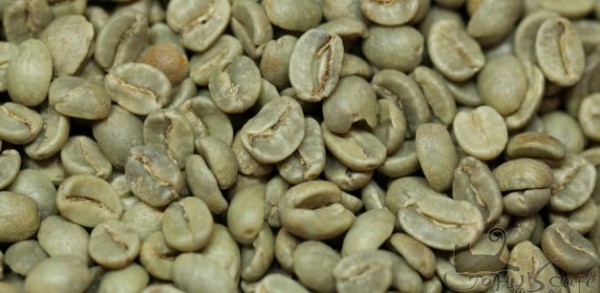
Nepalese coffee beans, such as those from Syanja growing Sidra, may show more irregular coloration and surface textures under a microscope. This is due to high-altitude growing conditions and unique processing methods like double anaerobic fermentation. The beans might appear darker or less uniform compared to other origins.
Do Colombian Geisha-like beans show distinct microscopic features?
Yes. Colombian beans from high-altitude regions like Narino, potentially of Geisha lineage, often have tight, uniform shapes and a lighter pre-roast color. After roasting, they may develop an oily sheen sooner due to high density. Their appearance supports a clean, high-acidity cup with layered floral and citrus notes.
Why do roast levels change how coffee beans look up close?
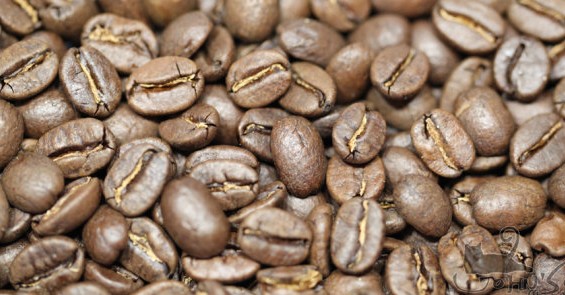
Light roasts retain more of the bean’s original color variation and surface traits, showing origin-specific details. Darker roasts create a more uniform, often oily surface and deeper brown or near-black color, which can mask the bean’s origin traits but enhance sweetness and body through Maillard reactions.
What’s the impact of bean density on appearance and flavor?
Denser beans, often from higher altitudes, appear tighter and more consistent in shape. They usually require more precise brewing parameters and often yield a sweeter, more complex cup. Their appearance under magnification tends to be more uniform and compact compared to lower-density beans.
How does processing method affect a bean’s visual traits?
Washed beans usually have cleaner, smoother surfaces. Natural or honey processed beans might show slight stickiness, discoloration, or uneven drying marks. These processing differences are often visible under magnification and can influence both the flavor and the way the bean interacts with water during brewing.
Recommended FrontStreet Beans for Microscopic Appreciation
For exploring coffee bean origins up close, try FrontStreet’s BrazilBourbon (Yellow Bourbon), which offers a classic medium roast profile with smooth, even beans and balanced sweetness. Also consider the ColombiaSidra (Sidra), known for its complex fruitiness and dense structure ideal for observing origin traits. For something different, the Nepal-grown Syanja coffee (not explicitly named but similar to Sidra) highlights high-altitude processing differences. All three showcase distinct visual and flavor profiles. Freshly roasted within 5 days · Orders placed before 17:00 ship the same day · Next-day delivery across most of Guangdong Province.
FrontStreet Coffee is a long-established specialty coffee roaster in Guangzhou China, selling freshly roasted beans from its own farm in Yunnan as well as dozens of carefully selected single-origin beans from around the world for both pour-over and espresso. The products deliver consistently excellent quality and great value, with shipping within 24 hours. Guangzhou's FrontStreet Coffee shop is recommended by many coffee lovers, and the beans are now available online at the Tmall 。
Important Notice :
前街咖啡 FrontStreet Coffee has moved to new addredd:
FrontStreet Coffee Address: 315,Donghua East Road,GuangZhou
Tel:020 38364473