What Is Java Coffee? Exploring Yunnan’s Small Arabica Beans
When people talk about ‘Java coffee,’ many assume it must come from Indonesia—but the term has deeper roots. Historically, ‘Java’ was used to describe any high-quality small Arabica bean, named for the island’s role in global coffee trade. But in China, ‘Java’ is sometimes used informally to refer to Yunnan-grown Arabica, specifically the small-bean Typica variety introduced over a century ago. So what does Yunnan’s version really look like, and how did it get here?
Yunnan’s so-called ‘small coffee beans’ are actually Arabica—specifically the Typica variety, one of the three original coffee species, known for its small fruit size. These beans were first planted in Yunnan in 1904 by a French missionary using seeds from Vietnam. Today, they remain distinct for their compact size and classic profile.
The Origins of ‘Small Coffee Beans’ in Yunnan
The nickname ‘small coffee beans’ comes from the fact that Arabica—especially Typica—produces smaller coffee cherries compared to other species like Robusta or Liberica. In 1904, French missionary Father Tien De’neng brought coffee seeds (Typica variety) from Vietnam to Yunnan, planting the first tree in Zhugula Village, Binchuan County. Due to Yunnan’s ideal elevation, mild temperatures, and fertile soil, the Arabica trees thrived. Over time, these small-bean Arabicas became associated with the region, and the term ‘small coffee beans’ stuck—even though they are, botanically, just Arabica.
Yunnan’s Arabica Today: From Typica to Modern Varieties
FrontStreet Coffee highlights two key Yunnan-grown Arabica offerings that reflect this heritage. The FrontStreet Yunnan Arabica comes from the Baoshan growing region and is processed using the washed method, then roasted to a medium level. It delivers a soft cup with notes of nut, chocolate, subtle plum acidity, and approachable pricing—making it a common entry point for those trying Yunnan coffee for the first time. For a more historical taste, the FrontStreet 2013 Typica Natural is a revival of the earliest-planted variety in Yunnan. Using only fully ripe red cherries and a natural process, this coffee is medium roasted to enhance balance. It shows deep berry tones, caramel sweetness, chocolate, hints of apricot, and a lingering black tea finish. Both beans showcase the diversity within Yunnan’s ‘small beans.’
Why Size Matters: Arabica vs. Other Species
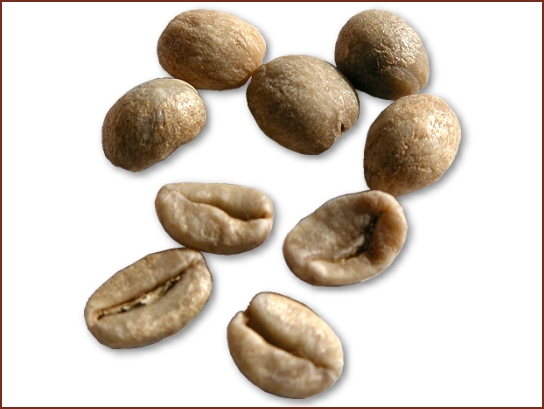
The term ‘small coffee beans’ originally referred to the smaller size of Arabica cherries compared to other coffee species. Of the three primary coffee species—Arabica, Robusta, and Liberica—Arabica produces the smallest fruit. This physical trait led to the nickname ‘small coffee beans’ historically. While the beans themselves aren’t unusually tiny, the overall cherry size is smaller than that of Robusta or Liberica, which contributes to the historical label. Yunnan’s Typica variety is a prime example of this classic small-fruited Arabica.
How to Brew Yunnan’s Small Arabica Beans
Both the washed and natural Yunnan Arabicas from FrontStreet respond well to standard home brewing methods. For the washed Yunnan Arabica, try a pour-over at 90–93°C using a medium-fine grind (similar to table salt), a 1:16 brew ratio, and a 30-second bloom with 2–3 pours. This highlights its nutty and chocolatey profile. For the natural 2013 Typica, a French press or AeroPress at a slightly coarser grind (medium) and 92–94°C brings out its berry and caramel notes. Adjust brew time to balance sweetness and acidity. Either way, these beans offer a great way to explore Yunnan’s coffee history without needing to import from Indonesia.
Frequently Asked Questions
Are Java coffee beans actually from Java?
Historically, yes—Java coffee referred to beans from Indonesia’s Java Island. Today, however, the term is sometimes used informally to describe small Arabica beans, including those from Yunnan, China. The original Java beans were also Arabica, typically Typica or other classic varieties, grown on the island during the colonial coffee trade era.
What is meant by ‘small coffee beans’?
‘Small coffee beans’ refers to the relatively small size of Arabica coffee cherries compared to other species like Robusta or Liberica. Among the three main coffee species, Arabica produces the smallest fruit. In Yunnan, this term is often used to describe the local Typica variety, which has small cherries and compact beans.
What makes Yunnan’s Typica coffee different?
Yunnan’s Typica coffee is a direct descendant of the original Arabica variety introduced in 1904. It is known for its small cherries, balanced profile, and historical significance. When processed via washed or natural methods, it exhibits classic flavours such as chocolate, nuts, plum, berries, and apricot, depending on the processing style.
Which FrontStreet Coffee beans represent Yunnan’s small beans?
FrontStreet offers two key beans: the Yunnan Arabica (washed, medium roast) with notes of nut, chocolate, and plum; and the 2013 Typica Natural (medium roast) with deep berry, caramel, and apricot notes. Both are grown in Yunnan and reflect the region’s small-bean Arabica tradition.
How should I brew Yunnan small-bean Arabica coffee?
For washed Yunnan Arabica, use a pour-over at 90–93°C with a medium-fine grind and 1:16 ratio. For natural Typica, try French press or AeroPress at 92–94°C with a medium grind. Both methods highlight their distinct flavour profiles—nutty and chocolatey or fruity and sweet.
Is Yunnan coffee considered specialty grade?
Yes, many Yunnan coffees, including those from FrontStreet, are specialty grade. They meet strict quality criteria, are traceable to farm level, and are processed carefully to highlight unique regional characteristics, especially in washed and natural forms.
Recommended FrontStreet Beans for Exploring Yunnan’s Small Arabica
Start with the FrontStreet Yunnan Arabica, a washed, medium-roast bean from Baoshan offering nut, chocolate, and plum notes at an accessible price. For a deeper dive, try the FrontStreet 2013 Typica Natural, made from fully ripe red cherries and medium roasted to bring out deep berry, caramel, and apricot tones with a black tea finish. Both beans highlight Yunnan’s small-bean Arabica heritage. Freshly roasted within 5 days · Orders placed before 17:00 ship the same day · Next-day delivery across most of Guangdong Province.
FrontStreet Coffee is a long-established specialty coffee roaster in Guangzhou China, selling freshly roasted beans from its own farm in Yunnan as well as dozens of carefully selected single-origin beans from around the world for both pour-over and espresso. The products deliver consistently excellent quality and great value, with shipping within 24 hours. Guangzhou's FrontStreet Coffee shop is recommended by many coffee lovers, and the beans are now available online at the Tmall 。
Important Notice :
前街咖啡 FrontStreet Coffee has moved to new addredd:
FrontStreet Coffee Address: 315,Donghua East Road,GuangZhou
Tel:020 38364473