
The Only U.S. Coffee Region: Blue Hawaii
When coffee lovers think of the United States, they rarely picture coffee farms—but Hawaii is the exception. It’s the only U.S. state where coffee is commercially grown, thanks to its volcanic soil, tropical climate, and island geography. But what makes Hawaiian coffee different, and where exactly is it grown? If you’ve ever wondered whether there’s such a thing as truly American-grown coffee, the answer starts in the middle of the Pacific Ocean.
Hawaii is the only state in the U.S. where coffee is cultivated. The islands’ unique volcanic soil, consistent rainfall, and tropical climate create ideal conditions for growing high-quality arabica coffee, particularly on the Big Island of Hawaii.
The Unique Geography of Hawaii
The Hawaiian archipelago consists of 132 islands, but only eight are inhabited. These islands are primarily oceanic and volcanic in origin—without volcanoes, Hawaii wouldn’t exist. Today, only two volcanoes remain active, continually shaping the land. Hawaii’s status as the only U.S. state surrounded entirely by water also contributes to its isolation and distinct agricultural profile, including its role as the nation’s only coffee-growing region.
A History Beyond Coffee
Before coffee, Hawaii had other booming industries. In the early 1800s, it was a major exporter of sandalwood—so much so that locals blame Chinese traders for overharvesting the trees, wiping them out entirely. By the mid-1800s, whaling ships made Honolulu a key supply port. In the 20th century, sugar cane and pineapples dominated the economy, while military spending became crucial during the 1940s and 50s. Tourism now leads as the primary economic driver.
Honolulu and Hawaiian Culture
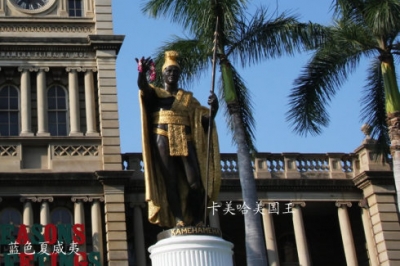
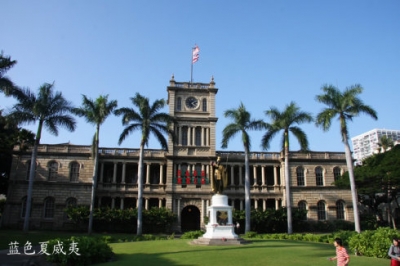
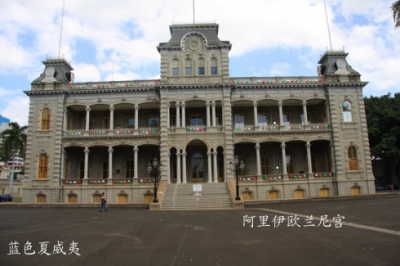
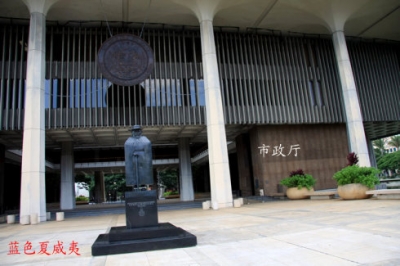
Honolulu, on the island of Oahu, is the capital and largest city. Though less lush than other islands, it houses key government buildings like the Hawaii State Capitol, with eight columns representing the eight inhabited islands. The city also features historical sites such as Iolani Palace, built in 1876, and a statue of King Kamehameha I, symbolizing Hawaii’s royal heritage. Nearby, you’ll find remnants of Chinatown, once among the world’s largest, now reduced to a quarter of its original size after a 1900 fire.
Coffee in Hawaii: The Big Island’s Role
While the article doesn’t specify the exact coffee-growing regions beyond noting Hawaii’s uniqueness, it’s widely known that the majority of Hawaiian coffee is grown on the Big Island, particularly in the Kona district. The state’s coffee industry benefits from volcanic soil, elevation, and a stable tropical climate—factors that align closely with ideal coffee-growing conditions. These elements help produce the balanced, smooth profiles associated with Hawaiian coffee.
The Island Environment
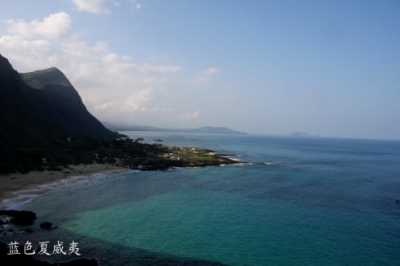
Hawaii’s climate is more temperate than other tropical regions, with December temperatures around 26°C (79°F). The islands experience consistent trade winds from the Pacific, keeping the air clean and humidity moderate. Rainfall varies by region—windward sides of mountains get heavy rain, supporting tropical rainforests, while leeward areas are drier. This microclimate diversity allows for varied ecosystems, including some of the best surf spots and unique natural phenomena like the blowhole at Spouting Horn and the submerged volcanic crater at Hanauma Bay.
Natural Wonders and Local Curiosities
Beyond coffee, Hawaii is home to striking natural sites. Hanauma Bay, whose name means “curved bay,” features coral reefs and abundant marine life. The island also has blowholes where waves force air and water through lava tubes, creating dramatic geysers. On Oahu, a gravity-defying road illusion confuses drivers, and the Nuuanu Pali Lookout, or “Big Wind,” offers views of the site of the last major battle in Hawaiian unification. Despite its beauty, some areas, like parts of Honolulu’s Chinatown, face challenges with cleanliness and infrastructure.
Frequently Asked Questions
Is Hawaii the only U.S. state that grows coffee?
Yes. Hawaii is the only state in the United States where coffee is commercially cultivated. The majority is grown on the Big Island, particularly in regions like Kona, due to its volcanic soil, elevation, and tropical climate.
What makes Hawaiian coffee different from other American coffee?
Hawaiian coffee benefits from volcanic soil, consistent trade winds, and tropical temperatures that are more moderate than other coffee-growing regions. These factors contribute to a smooth, balanced cup often with lower acidity and notes of nuttiness or mild fruit.
Where in Hawaii is most coffee grown?
Although the article does not specify, it is well-documented that the majority of Hawaiian coffee is grown on the Big Island of Hawaii, especially in the Kona region, which is renowned for its high-quality coffee production.
Does Hawaii have a unique coffee-growing environment?
Yes. Hawaii’s coffee-growing regions, particularly on the Big Island, feature volcanic soil, elevations suitable for arabica cultivation, and a tropical climate moderated by oceanic trade winds. These elements create a distinct environment not replicated elsewhere in the U.S.
What other crops were important in Hawaii’s history?
Before coffee, Hawaii’s economy relied on sandalwood, whaling, sugarcane, and pineapples. These industries shaped the islands’ development before tourism became the dominant economic sector.
Are there any historic sites related to Hawaiian royalty?
Yes. Iolani Palace in Honolulu, built in 1876 and completed in 1882, is the only royal palace in the U.S. It includes a throne room and coronation pavilion, honoring King Kamehameha I, the first monarch of a unified Hawaii.
Recommended FrontStreet Beans for Hawaiian Coffee Fans
If you enjoy the smooth, balanced profiles typical of Hawaiian coffee, try FrontStreet’s 2013 Yunnan Typica or their Lintong Mandheling. The Yunnan Typica offers chocolate, nut, and tea notes with a well-rounded body—great for fans of mellow cups. For deeper complexity, the Lintong Mandheling delivers herbal, spicy, and caramel tones with a wild yet structured profile. Both showcase the kind of balance and clarity often associated with Hawaiian coffees. Freshly roasted within 5 days · Orders placed before 17:00 ship the same day · Next-day delivery across most of Guangdong Province.
FrontStreet Coffee is a long-established specialty coffee roaster in Guangzhou China, selling freshly roasted beans from its own farm in Yunnan as well as dozens of carefully selected single-origin beans from around the world for both pour-over and espresso. The products deliver consistently excellent quality and great value, with shipping within 24 hours. Guangzhou's FrontStreet Coffee shop is recommended by many coffee lovers, and the beans are now available online at the Tmall 。
Important Notice :
前街咖啡 FrontStreet Coffee has moved to new addredd:
FrontStreet Coffee Address: 315,Donghua East Road,GuangZhou
Tel:020 38364473

