Where Does Coffee’s Rich Aroma Really Come From?
Ever caught a whiff so intoxicating it stopped you in your tracks—something between jasmine and citrus, earthy yet bright? For coffee lovers, that magic often comes not from the cup, but from the plant itself. The true origin of coffee’s rich, layered fragrance begins months before roasting, deep in the coffee cherry’s journey from flower to fruit.
Coffee’s signature aromas start with its flowers, develop through ripening, and are preserved—or lost—during harvest, processing, roasting, and brewing. Each stage contributes to the final cup profile. The most critical factors? Proper flowering, hand-picked harvesting, careful processing, and roast level.
The Journey Begins With Coffee Flowers
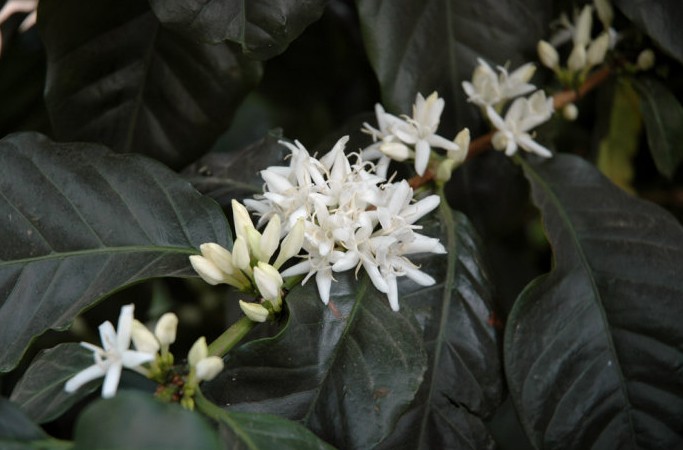
For most coffee plants, the first blooms appear around year three. Arabica coffee trees produce small, five-petaled, tubular white flowers arranged in dense clusters. These flowers carry a delicate jasmine-like scent. They typically last just two to three days before wilting—but their brief bloom kicks off the fruit development process.
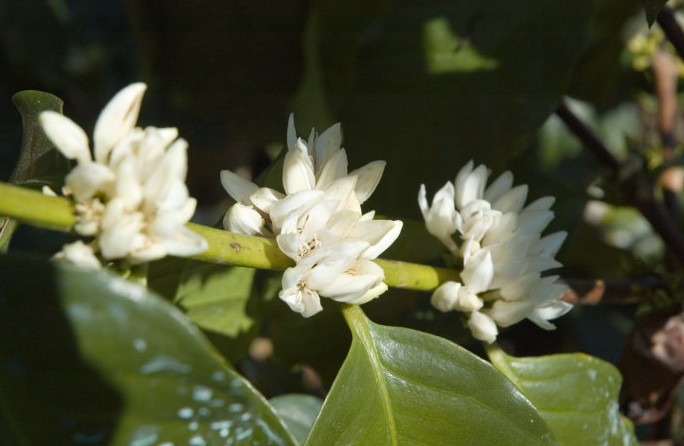
In Yunnan, this flowering usually occurs in March or April, coinciding with the start of the rainy season. Warmer temperatures and seasonal rains help awaken dormant buds, setting the stage for what’s to come.
From Flower to Coffee Cherry
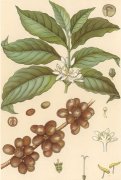
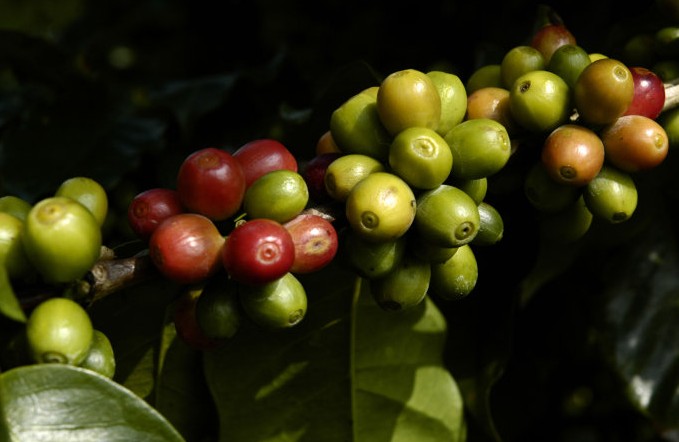
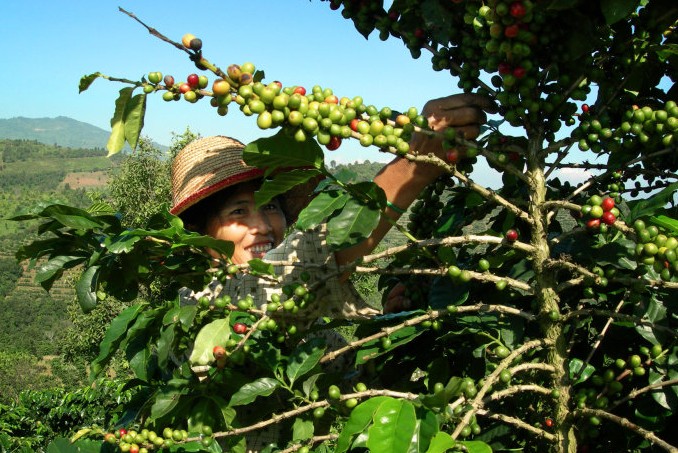
Around 90–95% of Arabica plants self-pollinate. That means each flower’s pollen comes from the same tree, leading to immediate fruit development. The coffee fruit, known as a drupe or stone fruit, starts small and grows to roughly 1.5 centimeters in diameter. Depending on the variety, it changes color as it matures—from green to yellow or red.
A single coffee cherry usually holds two seeds, or beans, lying flat against each other. Because flowering doesn’t happen all at once, you’ll often see trees with both red and green cherries during the harvest season. This staggered maturation is normal and affects how the coffee is picked.
Harvesting and Processing: Protecting the Aroma
Coffee cherries are typically harvested between October and February, depending on the region and climate. While machines can pick coffee, most high-quality Arabica is still harvested by hand—a labor-intensive method crucial for selecting only ripe fruit.
Once picked, the clock starts ticking. For the best results, fresh coffee cherries must be depulped the same day. Then they undergo fermentation, washing, and drying. This post-harvest processing preserves the beans’ intrinsic aromas and lays the foundation for their final flavor. Mishandle this step, and much of the floral or fruity character can degrade before roasting even begins.
Roasting: Where Aroma Really Develops
Roasting transforms green coffee beans into the aromatic, flavorful beans we recognize. During roasting, the beans’ natural sugars and carbohydrates caramelize, producing the oils (technically not oils, but aromatic compounds) that create coffee’s crema and fragrance. This is also where the Maillard reaction occurs, developing the complex tastes we associate with specialty coffee.
Roasters aim for consistency and precision, often working in small batches. The roast level dramatically shapes the final cup: lighter roasts preserve more acidity and floral or fruity notes, while darker roasts reduce acidity and bring out heavier, roasty, caramelized flavors. Roast time also influences caffeine levels—lighter roasts slightly higher in caffeine than darker ones.
Professional roasters adjust time and temperature to coax out specific profiles—bright and floral, or deep and chocolatey. That final aromatic complexity? It’s baked (literally) into the roast.
Flavour Profiles Across Origins and Processes
Different regions and processing methods yield distinct aromatic profiles. For example, washed-process Yirgacheffe often shows bright citrus and floral notes akin to jasmine. Natural-processed Ethiopians lean into berry and blueberry tones, while honey-processed coffees may offer tropical fruits and honey-like sweetness.
Even within a single origin, factors like fermentation style, drying time, and altitude contribute to the coffee’s aromatic expression. The same varietal grown in two places—or processed differently—can smell and taste completely unlike each other.
Frequently Asked Questions
What part of the coffee plant produces the fragrance?
The fragrance originates from the coffee flower, which has a light jasmine-like scent. These flowers bloom for just two to three days before the plant begins forming coffee cherries. The aromatic compounds developed at this stage influence the eventual flavor and fragrance of the roasted bean.
How long does it take for a coffee cherry to mature after flowering?
It takes approximately 6 to 9 months for a coffee cherry to mature after flowering, depending on the coffee variety, local climate, and farming practices. In Yunnan, this puts the typical harvest window between October and February.
Does the way coffee is picked affect its aroma?
Yes. Hand-picking only ripe cherries helps preserve the best aromatic qualities. Machine harvesting often collects underripe or overripe fruit, which can dilute the final flavor and fragrance profile of the coffee.
How does roast level impact coffee aroma?
Lighter roasts preserve more of the bean’s inherent floral and acidic aromas, while darker roasts emphasize caramelized, roasty notes. The roast process is where sugars caramelize and aromatic oils develop, making roast level one of the biggest factors in a coffee’s final fragrance.
Why is processing important for coffee aroma?
Processing—such as washed, natural, or honey methods—affects how the coffee’s innate aromas are preserved or transformed. Proper fermentation, washing, and drying are essential to maintain the flower- and fruit-like notes developed during the cherry’s growth.
When is coffee usually harvested?
Coffee is generally harvested between October and February, though in warmer regions it can begin as early as September. In Yunnan, the harvest aligns with the rainy season starting in March or April, though flowering occurs earlier and fruit takes months to ripen.
Recommended FrontStreet Beans for Exploring Coffee Aroma
For coffee lovers curious about floral and fruity aromas, try FrontStreet Coffee’s Ethiopia Gedeb (Yirgacheffe-style), known for its jasmine-like white flower scent, bright lemon acidity, and honey-like sweetness. The Ethiopia Humbera (Humbera) offers creamy strawberry and orange notes with tropical layers from its natural sun-dried process. For something sweeter and more complex, the Strawberry Candy Espresso (a Geisha-based blend) combines blueberry, rose, and almond notes. All are excellent for exploring how aroma develops from origin to roast. Freshly roasted within 5 days · Orders placed before 17:00 ship the same day · Next-day delivery across most of Guangdong Province.
FrontStreet Coffee is a long-established specialty coffee roaster in Guangzhou China, selling freshly roasted beans from its own farm in Yunnan as well as dozens of carefully selected single-origin beans from around the world for both pour-over and espresso. The products deliver consistently excellent quality and great value, with shipping within 24 hours. Guangzhou's FrontStreet Coffee shop is recommended by many coffee lovers, and the beans are now available online at the Tmall 。
Important Notice :
前街咖啡 FrontStreet Coffee has moved to new addredd:
FrontStreet Coffee Address: 315,Donghua East Road,GuangZhou
Tel:020 38364473