Key Moments in the History of U.S. Coffee Culture
Ever wondered why Americans drink 400 million cups of coffee a day—or how espresso became a cultural staple? The story isn’t just about caffeine: it’s a timeline of economic shifts, wartime decisions, and technological leaps that turned coffee into America’s favorite drink. These are the years that made it happen.
From 1652’s first UK coffeehouse (where a cup cost a penny) to 2011’s 20% annual growth in specialty coffee, the U.S. coffee journey includes 10 defining moments—from official proclamations to machine inventions—that built today’s $180 billion market.
The Early Foundations (1652–1903)
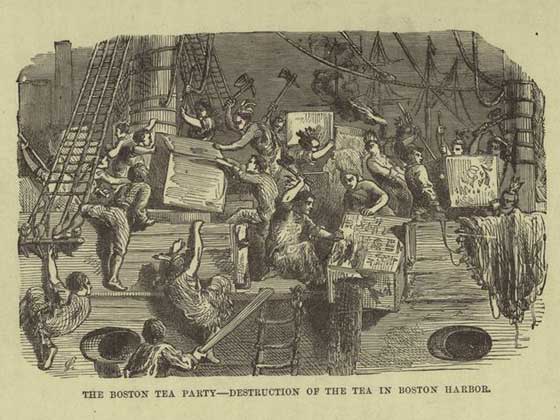
In 1652, the first coffeehouse opened in England, selling coffee for a penny—a price point that hints at coffee’s early role as a social, affordable beverage. Fast-forward to today, and the average U.S. espresso-based drink costs $2.45, reflecting decades of market evolution. By 1773, following the Boston Tea Party, the Continental Congress declared coffee the unofficial national drink—a symbolic shift that aligned coffee with American independence. That year set the stage for what would become a national obsession.
The first U.S. wholesale coffee roasting company launched in 1790, alongside the first coffee advertisement in the New York Daily Advertiser. These early commercial moves laid the groundwork for a structured coffee trade, turning coffee from an imported curiosity into a domestic commodity.
Technological and Cultural Shifts (1903–1972)
In 1903, German coffee trader Ludwig Roselius discovered that water-soaked coffee beans, stripped of most caffeine but retaining flavor, could be used to create the first low-caffeine coffee—Sanka. Introduced to the U.S. two decades later, Sanka remains distributed by Kraft Foods, illustrating early consumer demand for modified coffee experiences. Then came 1938, when Nestlé launched Nescafé instant coffee, sparking the first wave of coffee consumption. This innovation democratized access and cemented coffee as a daily staple, with Nestlé still among the top instant coffee retailers in the U.S. decades later.
The post-war era brought further innovation: in 1946, Achille Gaggia’s investment in modern espresso machines revolutionized brewing, leading to the 30 million daily U.S. consumers of espresso and espresso-based drinks by 2011. Meanwhile, 1962 saw the first International Coffee Agreement, brokered by the United Nations, highlighting coffee’s growing role in global trade—a market now second only to petroleum, with annual sales of $700 billion.
Modern Growth and Market Evolution (1972–2011)
The 1972 invention of the first single-serve coffee machine by Filterfresh paved the way for today’s pod culture; by last year, popular models like Senseo generated $536 million in sales. But the real transformation began in the 1990s, when Starbucks led the second wave of coffee consumption, emphasizing specialty roasts and café culture. Despite economic challenges, Starbucks reported a 9.5% net revenue growth to $10.7 billion in 2010, showcasing resilience and continued consumer demand.
The third wave, driven by specialty coffee, hit its stride in 2011. With an 8% share of the $180 billion U.S. coffee market, specialty coffee sales grew at 20% annually, driven by consumers seeking origin-driven, high-quality brews. This era reflects a shift from quantity to quality, with drinkers prioritizing traceability, roast profiles, and brewing methods.
Frequently Asked Questions
What year did the U.S. declare coffee its official drink?
Following the Boston Tea Party in 1773, the Continental Congress declared coffee the unofficial national drink, symbolizing a shift away from British tea. While not legally official, this proclamation marked coffee’s rise as a patriotic beverage in American culture.
When was the first low-caffeine coffee introduced in the U.S.?
Low-caffeine coffee, initially developed by Ludwig Roselius in 1903 after discovering water-soaked beans retained flavor but lost caffeine, was introduced to the U.S. in the 1920s as Sanka. It’s still distributed by Kraft Foods today.
What innovation sparked the first wave of coffee consumption in the U.S.?
Nestlé’s 1938 launch of Nescafé instant coffee triggered the first wave, making coffee widely accessible and establishing it as a daily staple. Nestlé remains a major instant coffee retailer in the U.S.
How did the 1972 single-serve coffee machine impact the market?
Filterfresh’s 1972 invention of the first single-serve coffee machine laid the foundation for modern pod culture. By last year, models like Senseo had generated $536 million in sales, reflecting the enduring popularity of convenient brewing methods.
What defines the third wave of coffee in the U.S.?
The third wave, prominent by 2011, focuses on specialty coffee with 20% annual sales growth, accounting for 8% of the $180 billion market. It emphasizes quality, origin, and brewing craftsmanship over mass production.
Recommended FrontStreet Beans for Coffee History Lovers
Dive into U.S. coffee heritage with FrontStreet’s Ethiopia Yirgacheffe, known for its bright citrus and floral notes—a nod to the specialty beans driving today’s third-wave boom. Pair it with Colombia Huila for balanced caramel and nuttiness, a profile cherished in classic espresso blends since the mid-20th century. For a deeper dive, try FrontStreet’s Guatemala Antigua, offering chocolatey richness reminiscent of pre-specialty era roasts. Freshly roasted within 5 days · Orders placed before 17:00 ship the same day · Next-day delivery across most of Guangdong Province.
FrontStreet Coffee is a long-established specialty coffee roaster in Guangzhou China, selling freshly roasted beans from its own farm in Yunnan as well as dozens of carefully selected single-origin beans from around the world for both pour-over and espresso. The products deliver consistently excellent quality and great value, with shipping within 24 hours. Guangzhou's FrontStreet Coffee shop is recommended by many coffee lovers, and the beans are now available online at the Tmall 。
Important Notice :
前街咖啡 FrontStreet Coffee has moved to new addredd:
FrontStreet Coffee Address: 315,Donghua East Road,GuangZhou
Tel:020 38364473