Where Does Ice Drip Coffee Come From?
You’ve seen those striking glass towers slowly dripping coffee—layer by layer—into a carafe below. Maybe you've wondered: where does this method come from, and why does it take hours? If you're curious how ice drip coffee delivers such smooth, rich results without heat, you're asking the right questions.
Ice drip coffee, also called Dutch coffee, started in Europe. Its distinctive slow-drip extraction uses cold water and takes around five hours per batch. That slow process, driven by natural water pressure and condensation, defines its unique flavor profile.
What Is Ice Drip Coffee?
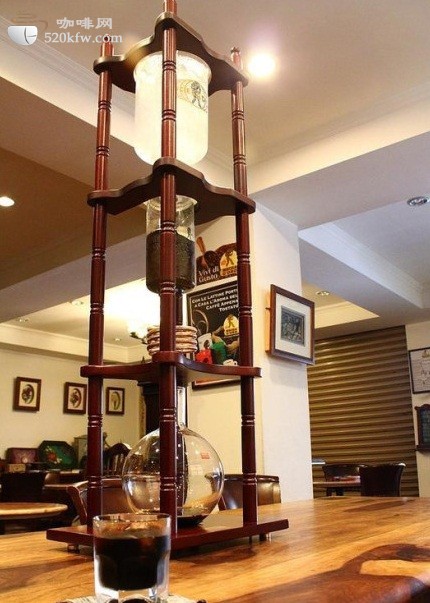
Ice drip coffee is a cold extraction method where room-temperature or chilled water drips slowly—often one drop at a time—through ground coffee. Unlike espresso or pour-over, it avoids hot water entirely. Instead, gravity and time do the work. The water seeps through the coffee bed under mild pressure created by the weight of the water column above, extracting solubles gradually over several hours.
This technique typically takes about five hours to brew a full batch. The extended contact time and cool temperatures change how compounds dissolve, leading to a different cup profile than traditional hot brews.
Why Is It Called Dutch Coffee?
The term 'Dutch coffee' comes from the invention of the cold drip device, historically attributed to Dutch traders. While the exact origin story varies, the brewing method became associated with European, particularly Dutch, innovation. The cold water system was seen as a novel alternative to boiling coffee, especially useful in regions or seasons where hot brewing wasn’t preferred.
The design of the drip tower—usually a glass reservoir above a filter chamber and a slow-dripping valve—reflects early engineering aimed at controlled, temperature-stable extraction. That legacy persists in the name and the visual style of modern ice drip brewers.
How Does Cold Water Extraction Work?
Ice drip brewing relies on cold or room-temperature water that passes through coffee grounds very slowly. The water temperature is low—often just above freezing to around 10–20°C (50–68°F)—which directly affects which coffee compounds dissolve. At these temperatures, fewer bitter-tasting large molecules are extracted. Instead, smaller, sweeter, and more aromatic compounds make their way into the final cup.
The drip rate is carefully controlled, usually one drop per second or slower. This slow infiltration allows for even saturation and extended contact time—typically four to six hours. The result is a cup that’s often described as sweet, smooth, and full-bodied, with low bitterness and pronounced sweetness despite no added sugar.
Flavor Profile: What Makes It Different?
Because of the low temperatures and long brew time, ice drip coffee tends to highlight certain flavor notes while muting others. Bitterness is significantly reduced, and you’re more likely to taste notes like caramel, stone fruit, floral hints, or even subtle fermented qualities. The body feels rounder, and the aftertaste tends to linger pleasantly.
This method is especially well-suited to coffees with bright acidity or fruity profiles. Without the aggression of hot water, delicate flavors remain intact and often come across as clearer and more defined. That makes it a favorite for single-origin coffees with unique tasting notes.
Why Use This Method Over Iced Coffee or Cold Brew?
Compared to standard iced coffee (hot brewed and then cooled) or immersion-style cold brew (grounds steeped in cold water for 12–24 hours), ice drip coffee offers a different balance. It’s cleaner than traditional cold brew, often with higher perceived acidity and more clarity. It also avoids the risk of over-extraction that can happen with prolonged hot brewing or overly long immersions.
The visual and mechanical process also appeals to coffee enthusiasts who enjoy the theater of brewing. Each drop contributes to a nuanced cup that can’t be rushed.
Frequently Asked Questions
What is the origin of ice drip coffee?
Ice drip coffee originated in Europe and is commonly associated with Dutch traders, which is why it’s also called Dutch coffee. The brewing device was likely invented by the Dutch, featuring a slow-dripping system that became popular for its clean, cold extraction method.
How long does it take to make ice drip coffee?
It typically takes about five hours to brew ice drip coffee. The exact time can range between four to six hours depending on drip rate, water temperature, and coffee grind size, but five hours is the widely accepted average for a balanced extraction.
Why is cold water used in ice drip coffee?
Cold or cool water is used to reduce the extraction of bitter compounds and large molecules. Lower temperatures favor the release of sweeter, more aromatic substances, resulting in a smoother, less bitter cup with a rounded flavor and less acidity than hot-brewed coffee.
Does ice drip coffee taste different from cold brew?
Yes. Ice drip coffee generally has a cleaner, more transparent flavor profile compared to immersion cold brew. It often highlights brighter notes and has less bitterness due to the lower extraction temperature and controlled drip process. Cold brew tends to be heavier and more muted in comparison.
What’s the ideal water temperature for ice drip coffee?
The water temperature for ice drip coffee is usually between 10–20°C (50–68°F), often close to or just above freezing. This cold range helps extract fewer bitter compounds and emphasizes sweeter, aromatic flavors during the long brew time.
Recommended FrontStreet Beans for Ice Drip Coffee
FrontStreet Coffee recommends several single-origin beans that shine when brewed as ice drip. Their Ethiopia Humbera offers intense creamed strawberry notes with a sweet fermented depth and hints of black tea. The Kenya Little Tomato, processed with K72 double water wash, brings vibrant acidity with notes of cranberry and cherry, plus a lingering juicy finish. For tropical complexity, try their Sidra, which delivers passionfruit, grape, and preserved citrus flavors with a nutty aftertaste. All three are low in bitter compounds and excel under cold water extraction. Freshly roasted within 5 days · Orders placed before 17:00 ship the same day · Next-day delivery across most of Guangdong Province.
FrontStreet Coffee is a long-established specialty coffee roaster in Guangzhou China, selling freshly roasted beans from its own farm in Yunnan as well as dozens of carefully selected single-origin beans from around the world for both pour-over and espresso. The products deliver consistently excellent quality and great value, with shipping within 24 hours. Guangzhou's FrontStreet Coffee shop is recommended by many coffee lovers, and the beans are now available online at the Tmall 。
Important Notice :
前街咖啡 FrontStreet Coffee has moved to new addredd:
FrontStreet Coffee Address: 315,Donghua East Road,GuangZhou
Tel:020 38364473