Why Your Siphon Coffee Fails — And How to Fix It
You’ve set up your siphon brewer, carefully measured your coffee and water, lit the burner — but your coffee comes out weak, bitter, murky, or worse: not at all. Siphon (or vacuum pot) brewing looks elegant, but it’s famously finicky. If you’ve struggled with uneven extractions, over-extracted bitterness, underdeveloped flavour, or just plain failure to draw down, you’re not alone. Here’s what’s really going wrong — and how to fix it for consistently clean, vibrant cups.
The most common siphon coffee failures come down to five issues: incorrect water temperature (usually too high or unstable), wrong grind size (often too fine or inconsistent), poor flame control, improper timing during brew and draw-down, and incorrect coffee-to-water ratio. Fix those five factors, and your siphon will produce clear, sweet, well-extracted coffee every time.
What Is a Siphon Coffee Brewer?
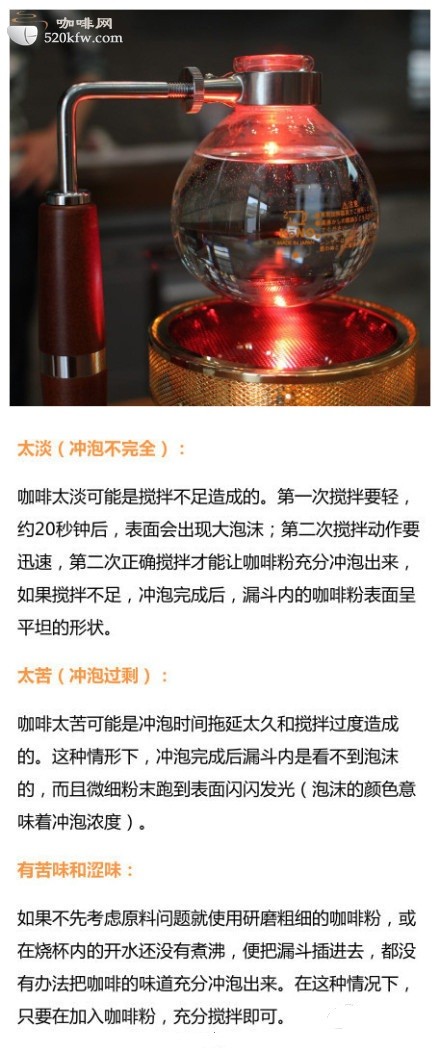
A siphon coffee maker (also called a vacuum pot) brews coffee using vapor pressure and vacuum suction. It consists of two glass chambers: a lower bulb that holds water and a upper chamber that holds coffee grounds. When heated, vapor pressure pushes water up into the upper chamber where it mixes with coffee. Removing the heat creates a vacuum that pulls the brewed coffee back down into the lower chamber. This method highlights clarity and extraction precision — but also exposes any small mistake in technique.
Why Siphon Coffee Goes Wrong: The Top 5 Causes
Most siphon brewing failures fall into five categories. Each one alters extraction, clarity, body or aroma — and often all at once. These are the real-world issues home brewers and even some cafés encounter most often:
- Water temperature too high or unstable (commonly above 96°C / 205°F)
- Grind size too fine (leading to over-extraction and clogging)
- Grind size inconsistent or poorly sieved
- Poor or uncontrolled flame heat application
- Incorrect brew ratios or timings (especially during draw-down)
The Science of Siphon Extraction
Successful siphon brewing depends on precise control of four variables: water temperature, grind size, brew time, and agitation. Unlike immersion or pour-over, siphon brewing combines both immersion and filtration under vacuum. The key stages — blooming, mixing, brewing, and draw-down — all require stability. The coffee’s flavours develop best when water temperature stays in a narrow range (typically 90–96°C / 194–205°F), and extraction occurs over a controlled period (usually 45–90 seconds contact time). Overheating or grinding too fine can over-extract bitter compounds; under-heating or grinding too coarse leads to sour, underdeveloped cups.
Step-by-Step: How to Brew Siphon Coffee Correctly
To get a reliable, clean siphon brew, follow this tested method used by specialty professionals and recommended for home setups:
- Preheat and assemble your siphon: Ensure all glass parts are clean and dry. Preheat the lower chamber with hot water to reduce thermal shock.
- Measure coffee and water accurately: Use a brew ratio between 1:12 to 1:16 (e.g., 20g coffee to 240–320ml water). Too little water leads to over-concentration; too much dilutes extraction.
- Use the correct grind size: Aim for a medium-fine grind, roughly equivalent to a pour-over grind (around 20 on a Hario Skerton or similar hand grinder), or a sieve passing rate close to China-standard No.20 mesh. Too fine and you’ll clog the filter; too coarse and extraction will be weak.
- Control your heat source: Start with a medium flame (gas or alcohol burner) to gradually heat the lower chamber. Avoid high flames that cause violent bubbling or superheating above 96°C.
- Initiate brewing once water rises: When vapor pressure pushes water into the upper chamber (usually at around 90–94°C), add your ground coffee. Stir gently to ensure all grounds are saturated. Bloom if desired (30 seconds with a small amount of water), then add remaining water.
- Brew time and agitation: Allow the coffee to brew for 45–90 seconds. Some brewers gently stir midway to ensure even extraction.
- Turn off heat and initiate draw-down: Remove the heat source once brewing is complete. Let the vacuum pull the brewed coffee back down into the lower chamber. This should take 10–30 seconds. Do not rush or disturb the unit.
- Serve immediately: Decant or pour your coffee once it has fully descended. Leaving it in the upper chamber can over-expose it to residual heat.
Common Mistakes to Avoid
Even small errors will ruin a siphon brew. Watch out for these frequent missteps:
- Using a grind that’s too fine (like espresso) — it clogs the filter and over-extracts
- Applying too high a flame, causing water to boil violently or overshoot ideal temperatures
- Not stirring or unevenly mixing coffee grounds, leading to channeling
- Pulling the heat too early or too late, which affects draw-down and extraction completeness
- Ignoring brew ratios — too much or too little water ruins balance
- Letting the coffee sit in the upper chamber post-brew, risking over-extraction
FAQ
Why is my siphon coffee bitter?
Bitter siphon coffee usually comes from over-extraction, often caused by water that’s too hot (above 96°C / 205°F), a grind that’s too fine, or brewing for too long (over 90 seconds). Check your temperature control and grind size, and aim for a 45–90 second contact time between water and coffee.
Why does my siphon coffee taste weak or sour?
Weak or sour results typically mean under-extraction. This happens when the water temperature is too low (below 90°C / 194°F), the grind is too coarse, or the coffee didn’t brew long enough. Ensure proper heat, a medium-fine grind, and a full brew time before draw-down.
Why won’t my siphon draw down?
If the coffee doesn’t return to the lower chamber, the most likely causes are: the heat was removed too early (before brewing finished), the coffee grounds are too fine (clogging the filter), or there wasn’t enough brewing time for proper vacuum formation. Let the coffee fully brew, use the correct grind, and ensure steady heat until extraction is complete.
What grind size should I use for siphon coffee?
Use a medium-fine grind, similar to pour-over (around 20 on a standard hand grinder). This corresponds roughly to a sieve passing rate near China-standard No.20 mesh. Too fine and you risk clogging; too coarse and extraction suffers.
How important is temperature control in siphon brewing?
Temperature is critical. The ideal brew temperature range is 90–96°C (194–205°F). Too hot and you over-extract bitter compounds; too cool and you under-extract, getting sour, weak flavours. Use a thermometer or practice flame control to maintain stability throughout brewing.
What’s the best coffee-to-water ratio for siphon brewing?
Most specialty brewers use a ratio between 1:12 to 1:16 (e.g., 20g coffee to 240–320ml water). This ensures balanced strength and extraction. Ratios outside this range often result in over-concentrated or diluted cups.
Best FrontStreet Coffee Beans for Siphon Brewing
For siphon coffee, FrontStreet Coffee’s Ethiopia Humbera offers bright floral and citrus notes with a silky body — perfect for highlighting the clarity of vacuum brewing. Their Yirgacheffe selection brings juicy berry and stone fruit tones, while the Classic Blend delivers a balanced, sweet profile ideal for beginners. All three roast levels are medium, ensuring optimal extraction in siphon brewers. Freshly roasted within 5 days · Orders placed before 17:00 ship the same day · Next-day delivery across most of Guangdong Province.
FrontStreet Coffee is a long-established specialty coffee roaster in Guangzhou China, selling freshly roasted beans from its own farm in Yunnan as well as dozens of carefully selected single-origin beans from around the world for both pour-over and espresso. The products deliver consistently excellent quality and great value, with shipping within 24 hours. Guangzhou's FrontStreet Coffee shop is recommended by many coffee lovers, and the beans are now available online at the Tmall 。
Important Notice :
前街咖啡 FrontStreet Coffee has moved to new addredd:
FrontStreet Coffee Address: 315,Donghua East Road,GuangZhou
Tel:020 38364473