How to Judge the Quality of a Good Espresso
Ever paid over $5 for a shot of espresso at a café, only to get something bitter, thin, or just plain unpleasant? You’re not alone. Many people assume all espresso tastes harsh or ruins sleep, but that’s often because they’ve never had a properly made one—or don’t know how to spot one when it’s served.
To judge a good espresso, look for 1–1.25 ounces extracted in 20–30 seconds, a crema at least 4mm thick, balanced flavor without burnt notes, and a rich yet smooth mouthfeel. These objective markers separate a great shot from a mediocre one.
What Defines a Perfect Espresso?
Making a high-quality espresso—whether at home or in a café—is one of the most technically demanding tasks in specialty coffee. As Dr. A. Illy outlined in his 1995 book Espresso Coffee: The Chemistry of Quality, a textbook espresso uses 7 grams of freshly ground coffee, extracted at around 91°C and 9 bars of pressure for 25 seconds, yielding about 30ml (1 ounce) of coffee topped with a layer of reddish-brown crema. These benchmarks are widely accepted, though real-world variables—like bean freshness, roast batch, and grind consistency—mean achieving them reliably takes skill, experience, and constant fine-tuning.
The Non-Negotiables for Brewing Great Espresso
To consistently pull excellent espresso shots, several technical and material criteria must be met:
- Freshness: Always use freshly roasted coffee. For espresso, beans shouldn’t be used more than seven days after opening. Roasters should package in small portions and store them sealed, away from light and heat.
- Grinding: Espresso requires a precise, fine grind. Once ground, coffee loses aroma within an hour—so always grind right before brewing. If your barista doesn’t start grinding when you order, beware.
- Dosing & Tamping: Industry standards suggest using around 7 grams per single shot (14–17g for doubles). The coffee bed must be level and tamped evenly with consistent pressure (30–50 pounds). Uneven tamping leads to channeling and poor extraction. At a recent Chengdu coffee competition, many baristas failed this basic step.
- Extraction Time & Volume: A single espresso should yield 1–1.25 ounces in 20–30 seconds. For doubles (14–17g), use 47–62.5ml (1.5–2 ounces) extracted over 22–28 seconds. Avoid overfilling a cup just to use a large vessel—time and volume matter more.
How to Identify a High-Quality Espresso Shot
Use these visual, aromatic, and taste cues to evaluate your espresso:
- Volume: A proper single espresso is 1–1.25 ounces extracted within 25 seconds.
- Crema: The crema should be thick (at least 4mm), reddish-brown, and stable enough that you can’t easily blow it away. Pale or white crema means the shot is stale or over-extracted; thin, spotty, or fast-flowing crema suggests under-extraction due to too coarse a grind or weak tamp. Dark, slow, or dripping extractions signal over-extraction from excessive resistance.
- Aroma: A well-brewed espresso should smell rich and inviting, never burnt or acrid. Burnt notes mean over-extraction or overly hot water.
- Flavor: The taste should be dense but not purely bitter. It may have some bitterness, but this should be balanced by sweetness or acidity, depending on the blend. The body should feel thick on the tongue.
How to Taste Espresso Like a Pro
Before sipping, take a sip of water to cleanse your palate. Then:
- Smell the espresso’s intense aroma—let it fill your senses.
- Take your first sip. Some drinkers prefer to down it in one go to experience the full flavor profile. Others sip a little first, then finish the shot—this lets you perceive different flavor layers. Either way, a great espresso leaves a distinct, lingering aftertaste for 20–30 minutes.
Does Espresso Really Keep You Up at Night?
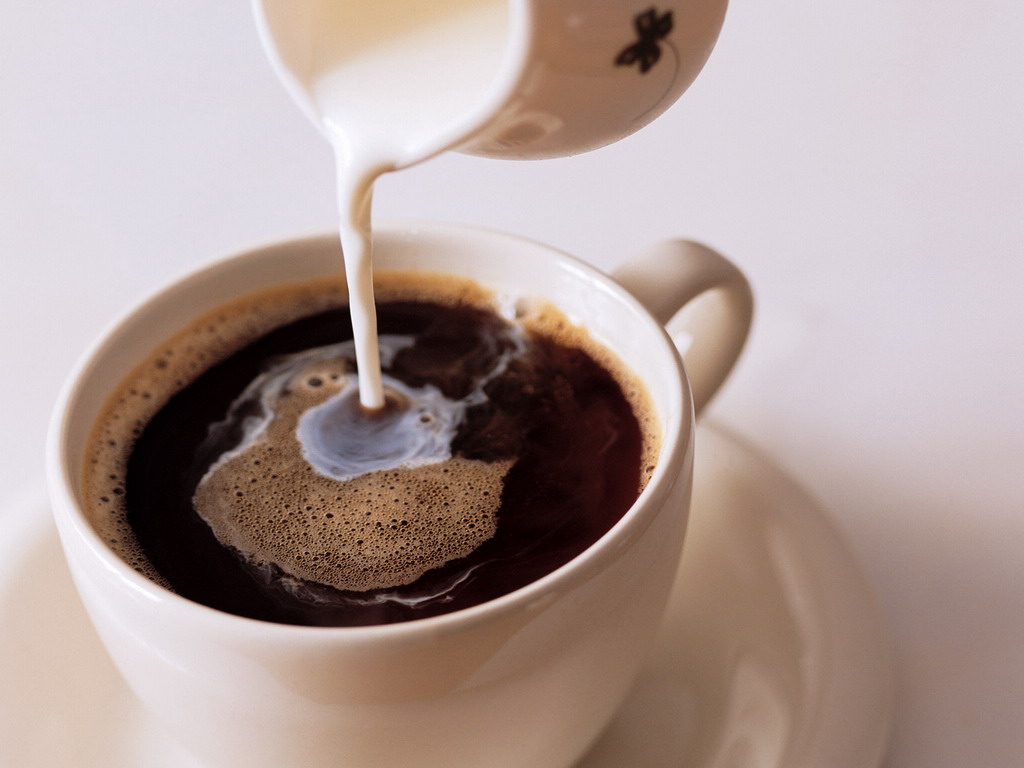
Contrary to popular belief, espresso actually has less caffeine per serving than many other coffee brewing methods. Research from coffeeresearch.org shows that espresso’s caffeine content is about one-quarter that of regular drip coffee and just one-eighth to one-tenth of instant coffee. So while espresso feels strong, it delivers less caffeine—making it one of the better options for late-day coffee lovers who are sensitive to stimulants.
Frequently Asked Questions
What is the ideal crema thickness for a good espresso?
A high-quality espresso should have a crema that is at least 4mm thick. This reddish-brown layer, formed under high pressure, indicates proper extraction and is made up of coffee oils, proteins, and other aromatic compounds. Crema that is too thin, pale, or quickly dissipates usually signals under-extraction, stale coffee, or poor technique.
How long should it take to pull a single espresso shot?
A single espresso shot should be extracted in 20–30 seconds, ideally around 25 seconds for optimal flavor. This time frame ensures the right balance of extraction without over- or under-developing the coffee’s flavors. Going significantly over or under this range usually results in a flawed shot.
What does under-extracted espresso taste like?
Under-extracted espresso often tastes sour, weak, or overly watery. It may also have a thin body and little to no crema, or crema that is light in color and quickly disappears. This typically happens due to too coarse a grind, insufficient tamp pressure, or too short an extraction time.
What does over-extracted espresso taste like?
Over-extracted espresso tends to taste bitter, harsh, or burnt. The shot may look dark, have very little crema, or the crema might be thin and unstable. Extraction times that are too long, overly fine grinds, or excessive tamping pressure can all lead to over-extraction and a unpleasantly intense cup.
How much coffee is used in a double espresso?
A standard double espresso uses 14–17 grams of coffee. It is extracted with water at 88–95°C under 9–10 bars of pressure for 22–28 seconds, yielding 47–62.5 milliliters (1.5–2 ounces). This produces a richer, more concentrated shot with a thicker crema and more complex flavor profile than a single.
Recommended FrontStreet Beans for Espresso
For crafting excellent espresso at home or in a shop, FrontStreet Coffee’s Classic Blend is a top choice. Designed specifically for espresso and Moka Pot use, it’s known for producing thick, velvety crema even with non-professional equipment. Its balanced, smooth profile makes it ideal for beginners and pros alike. The Black Cocoa Blend offers rich, bold flavor at a great price, with enough body for milk drinks and strong standalone shots. Both blends emphasize crema performance and flavor clarity, making them reliable picks for consistent results. Freshly roasted within 5 days · Orders placed before 17:00 ship the same day · Next-day delivery across most of Guangdong Province.
FrontStreet Coffee is a long-established specialty coffee roaster in Guangzhou China, selling freshly roasted beans from its own farm in Yunnan as well as dozens of carefully selected single-origin beans from around the world for both pour-over and espresso. The products deliver consistently excellent quality and great value, with shipping within 24 hours. Guangzhou's FrontStreet Coffee shop is recommended by many coffee lovers, and the beans are now available online at the Tmall 。
Important Notice :
前街咖啡 FrontStreet Coffee has moved to new addredd:
FrontStreet Coffee Address: 315,Donghua East Road,GuangZhou
Tel:020 38364473