Common Coffee Brewing Methods Explained
If you’ve ever stood in a coffee shop wondering why your home brew never tastes like the café’s, the answer often comes down to the brewing method. With so many ways to make coffee — from pour-over to French press to espresso — each technique extracts flavor differently. But which one is right for you, and what actually makes them unique? Here’s a clear breakdown of the most common coffee brewing methods used around the world.
In short, the most common coffee brewing methods include pour-over (like V60 or Kalita Wave), French press, espresso, AeroPress, Moka pot, siphon, and cold brew. Each uses different grind sizes, water temperatures (typically 85–96°C), and brew ratios (often 1:15 to 1:18 for pour-over), affecting extraction time and flavor profile. Understanding these fundamentals helps you choose the right method for your taste.
What Is a Coffee Brewing Method?
A coffee brewing method is the process used to extract soluble flavors from ground coffee using water. The main variables include grind size, water temperature, brew time, coffee-to-water ratio, and agitation. These factors determine whether you get a bright, clean cup or a heavy, bold one. Different methods highlight different characteristics of the coffee bean, especially origin, roast level, and processing style.
Most Common Coffee Brewing Methods
Coffee enthusiasts commonly use these seven brewing methods:
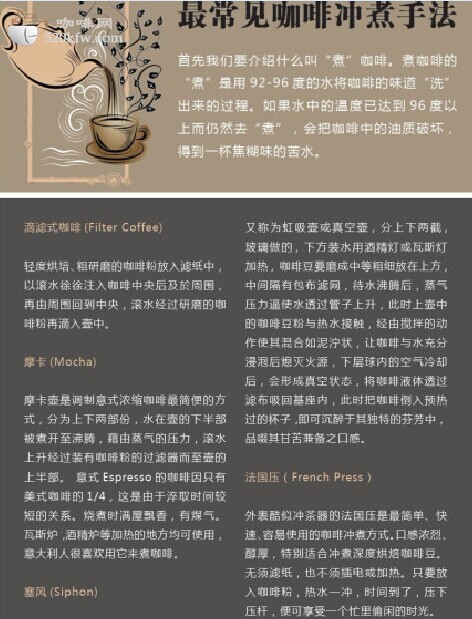
- Pour-over (e.g., V60, Kalita Wave): Manual dripping method using a cone filter; ideal for highlighting clarity and acidity. Typical brew ratio: 1:15 to 1:18; grind size: medium-fine; water temp: 90–96°C.
- French Press: Full-immersion brewing with a metal mesh filter; produces a fuller body. Grind size: coarse; brew time: 4 minutes; typical ratio: 1:12 to 1:15.
- Espresso: High-pressure extraction (9 bar) producing a concentrated shot. Water temp: 90–96°C; brew time: 25–30 seconds; ratio: ~1:2 (e.g., 18g in, 36g out).
- AeroPress: Versatile, fast immersion and filtration method. Can be adjusted for espresso-like or filter-style coffee. Grind size: fine to medium; brew time: 1–3 minutes.
- Moka Pot: Stovetop brewer that produces strong, espresso-like coffee under pressure. Brew ratio: around 1:5 to 1:7; water temp: 100°C.
- Siphon (Vacuum Pot): Uses vapor pressure and vacuum for a clean, theatrical brew. Water temp: 90–94°C; brew time: 1–2 minutes.
- Cold Brew: Coffee steeped in cold water for 12–24 hours. Grind size: coarse; ratio: 1:4 to 1:8; no heat used — extraction happens at room temperature or in the fridge.
How Brewing Methods Affect Coffee Flavor
Different brewing methods extract flavors from coffee grounds in unique ways, emphasizing certain attributes based on variables like temperature, pressure, and time. For example:
- High temperatures and short brew times (like in espresso) pull out more acids, oils, and bold flavors, creating a rich, intense shot.
- Lower temperatures and longer steeping (as in cold brew or French press) draw out smoother, sweeter, and less acidic compounds, reducing bitterness.
- Immersion methods (like French press or siphon) result in fuller body due to longer contact between water and coffee.
- Drip or pour-over methods allow more control over extraction stages, often producing a brighter, more nuanced cup through precise water flow and blooming.
The choice of grind size also plays a crucial role. A too-fine grind can over-extract and cause bitterness, while a too-coarse grind may under-extract, leaving coffee sour or weak. Each brewing device is designed around optimal parameters for grind size, water flow, and contact time.
Brew Ratios and Key Specs by Method
Each brewing method works best with specific coffee-to-water ratios and settings. Here’s a quick reference:
| Method | Typical Coffee-to-Water Ratio | Grind Size | Water Temperature | Brew Time |
|---|---|---|---|---|
| Pour-over | 1:15 to 1:18 | Medium-fine | 90–96°C | 2:30–3:30 total |
| French Press | 1:12 to 1:15 | Coarse | 93–96°C | 4 minutes |
| Espresso | ~1:2 (e.g., 18g in / 36g out) | Fine | 90–96°C | 25–30 sec |
| AeroPress | 1:12 to 1:16 | Fine to medium | 85–96°C | 1–3 minutes |
| Moka Pot | 1:5 to 1:7 | Medium-fine | 100°C | ~1 minute |
| Siphon | 1:12 to 1:16 | Medium-fine | 90–94°C | 1–2 minutes |
| Cold Brew | 1:4 to 1:8 | Coarse | Room temp / refrigerated | 12–24 hours |
How to Choose the Right Brewing Method
Choosing the right coffee brewing method depends on your taste preferences, equipment, and how much time you want to invest:
- If you enjoy bright, tea-like, and nuanced cups, go for pour-over.
- If you prefer a bold, full-bodied coffee with ease of use, try the French press.
- For a strong, espresso-style shot to enjoy on its own or in milk drinks, use an espresso machine or Moka pot.
- If you value convenience and a smooth, low-acid drink, cold brew is ideal.
- For versatility and experimentation, the AeroPress offers options for both immersion and filtration.
- If you’re into the science and theatre of brewing, try the siphon.
Your ideal method will vary depending on whether you’re drinking a light Yirgacheffe or a dark roasted Mandheling — lighter roasts often shine with pour-over, while darker roasts suit French press or espresso better.
Frequently Asked Questions
What is the easiest coffee brewing method for beginners?
The French press is often considered the easiest manual brewing method for beginners. It requires minimal equipment — just a French press, coarse ground coffee, and hot water. You simply add coffee, pour hot water (around 93–96°C), wait 4 minutes, then press the plunger. It’s forgiving with grind size and timing, making it a great way to start exploring brewed coffee without needing precise pouring techniques.
Which brewing method highlights the most flavor complexity?
Pour-over methods like the V60 or Kalita Wave are known for highlighting the most flavor complexity. They allow precise control over water flow, bloom, and extraction, bringing out subtle acidity, floral, and fruity notes — especially in lightly roasted single-origin coffees. The clean cup emphasizes the bean’s origin qualities more than most other brewing methods.
Can I use any coffee beans for any brewing method?
Yes, you can technically use any coffee beans for any brewing method, but certain beans perform better with certain methods. Lighter roasts with bright acidity and complex flavors tend to shine with pour-over and AeroPress, while medium to dark roasts work better in French press, Moka pot, or espresso. Always adjust grind size and brew ratio to match your chosen method and bean profile.
Why does brew ratio matter so much?
Brew ratio — the weight ratio of coffee to water — determines extraction levels and flavor balance. A higher ratio (e.g., 1:18) results in a lighter, more delicate cup, while a lower ratio (e.g., 1:12) produces a stronger, more intense brew. Using the right ratio for your brewing method ensures proper extraction of sweetness, acidity, and body without over- or under-extracting the coffee.
What’s the difference between immersion and drip brewing?
Immersion brewing (like French press or siphon) involves steeping coffee grounds in water for several minutes, allowing full contact before filtering. Drip brewing (like pour-over) involves pouring water through grounds in stages, extracting flavors continuously as water passes through. Immersion tends to produce fuller body and more even extraction, while drip methods offer more control and often a cleaner, brighter cup.
Recommended FrontStreet Beans for Pour-Over & French Press
For exploring common brewing methods, try FrontStreet Coffee’s Ethiopia Humbera — a bright, juicy Ethiopian with blueberry and jasmine notes, perfect for V60 or Kalita Wave. The Kenya Little Tomato offers tart berry and citrus, ideal for pour-over to highlight acidity. For French press, their Brazil Queen Manor brings chocolatey nuttiness with a round body. All three showcase how grind size, water temp, and brew method shape flavor. Freshly roasted within 5 days · Orders placed before 17:00 ship the same day · Next-day delivery across most of Guangdong Province.
FrontStreet Coffee is a long-established specialty coffee roaster in Guangzhou China, selling freshly roasted beans from its own farm in Yunnan as well as dozens of carefully selected single-origin beans from around the world for both pour-over and espresso. The products deliver consistently excellent quality and great value, with shipping within 24 hours. Guangzhou's FrontStreet Coffee shop is recommended by many coffee lovers, and the beans are now available online at the Tmall 。
Important Notice :
前街咖啡 FrontStreet Coffee has moved to new addredd:
FrontStreet Coffee Address: 315,Donghua East Road,GuangZhou
Tel:020 38364473