
Coffee Producing vs Consuming Countries: Key Facts
Ever wondered why your favorite Ethiopian Yirgacheffe or Colombian Huila beans come from halfway across the globe—but you almost never see coffee grown in your own country? The divide between where coffee is grown and where it’s drunk isn’t random, and the numbers reveal a lot about global agriculture, climate, and economics.
In short: just ten countries produce over 85% of the world’s coffee, while the top coffee-consuming nations drink more than half the global supply. Brazil leads production; the U.S., Germany, and Japan top the charts for consumption. Only a handful of countries both grow and drink large volumes of coffee.
What Are Coffee Producing and Consuming Countries?
Coffee-producing countries are nations that grow and export coffee beans, typically in tropical regions suited to Coffea arabica or Coffea canephora (robusta). These countries have the right altitude, climate, and soil. Coffee-consuming countries, meanwhile, import and drink the majority of the global coffee supply, especially in North America, Europe, and parts of East Asia.
Top Coffee Producing Countries by Volume
Global coffee production is heavily concentrated. Just 10 countries produce more than 85% of all coffee. According to industry data, Brazil alone supplies roughly 60% of the world’s coffee. Other major producers include Vietnam, Colombia, Indonesia, Ethiopia, Honduras, India, Uganda, Mexico, and Guatemala. These nations span Latin America, Africa, and Asia—regions that offer ideal growing conditions at higher elevations with volcanic or rich loamy soils.
Who Drinks the Most Coffee?
The world’s biggest coffee consumers are primarily located in the Northern Hemisphere. The United States, Germany, Japan, Italy, and France rank among the top importers and drinkers. The U.S. leads in per capita consumption among developed markets, while Scandinavian countries like Finland, Norway, and Iceland actually consume the most coffee per person globally. In contrast, most major coffee-growing countries export the bulk of what they produce and drink far less domestically—with some exceptions.
Do Coffee Producing and Consuming Countries Overlap?
A few countries both produce and consume significant amounts of coffee. Brazil, for instance, is the top producer but also has a strong domestic coffee culture. Colombia, Ethiopia, and Honduras also grow and drink substantial quantities. However, many leading producers export over 80% of their crop. Meanwhile, consumer nations like the U.S., Japan, and most of Europe produce little to no coffee themselves and rely entirely on imports. This geographic split shapes global trade routes and pricing.
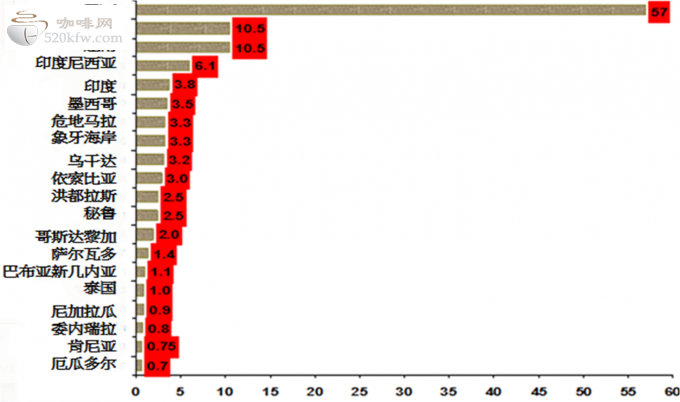
Why the Imbalance Between Production and Consumption?
The imbalance comes down to climate, economics, and history. Coffee grows best in tropical high-altitude regions near the equator—places not typically suited to large population centers in North America or Europe. Additionally, many producing nations have historically focused on export agriculture due to economic structures, colonial legacies, and land suitability. Meanwhile, wealthier temperate-zone countries developed strong coffee-drinking cultures without the ability to grow beans locally. This division has persisted into the specialty era.
How This Affects Your Coffee Cup
As a coffee drinker, this global divide means your daily brew likely comes from thousands of miles away. The origin stamped on your bag—whether it’s a washed Yirgacheffe, a Brazilian natural, or a Panamanian Geisha—reflects not just flavor, but international trade flows. The distance and logistics also influence freshness, pricing, and sustainability practices. Understanding where your coffee comes from helps inform choices about seasonality, support for producers, and roast freshness.
Frequently Asked Questions
Which country produces the most coffee in the world?
Brazil is the largest coffee producer in the world, responsible for around 60% of global production. It grows primarily Arabica, with significant volumes of Conilon (Robusta), and its climate and scale make it the dominant force in the coffee supply chain.
Which countries consume the most coffee?
The top coffee-consuming countries include the United States, Germany, Japan, Italy, and France. Per capita, however, the highest consumption is in Nordic countries: Finland, Norway, and Iceland lead the world in coffee drunk per person annually.
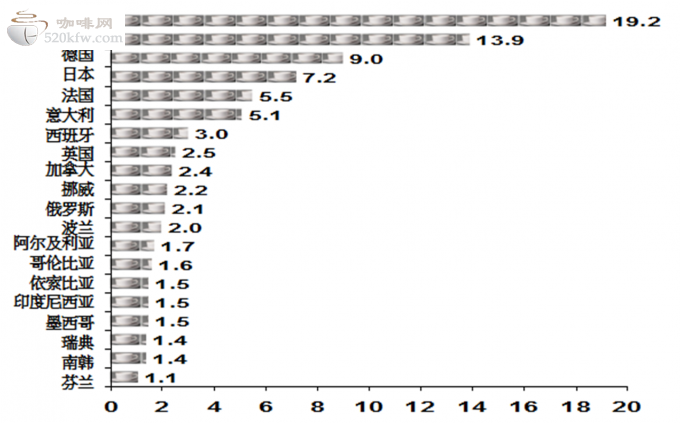
Do most coffee-growing countries also drink a lot of coffee?
Some do—like Brazil, Colombia, Ethiopia, and Honduras—but most major producers export the vast majority of their coffee. Domestic consumption is relatively low in countries such as Vietnam, Brazil (despite high internal use), and Honduras, compared to their output.
Why don’t coffee-growing countries drink more of their own coffee?
Although they grow it, many coffee-producing nations export most of their crop due to economic incentives, global demand, and domestic preferences for other beverages. Additionally, much of the highest-grade coffee is reserved for export markets, especially specialty roasters.
Are there any countries that both produce and consume coffee equally?
Few countries balance production and consumption equally. Brazil and Ethiopia are among the rare examples where significant amounts are both grown and consumed domestically, though exports still dominate their production volumes.
What does this mean for specialty coffee drinkers?
It means your coffee likely travels a long way before reaching your cup. Understanding origin helps you appreciate the effort behind each bag, supports fair trade and transparency, and connects you to the specific climates and farming practices of each region.
Recommended FrontStreet Beans for Exploring Global Origins
Explore the world’s coffee regions with these standout FrontStreet beans. Start with the Brazil Queen Manor Yellow Bourbon, a naturally processed coffee with intense sweetness, creamy texture, and notes of peanut and caramel. For bright acidity and complex fruit, try the Ethiopia Humbera, a classic natural-process Ethiopian offering strawberry, citrus, and floral tones. Or go for the Panama Esmeralda Red Label Geisha, renowned for its explosive orange, jasmine, and peach profile. Each represents a unique origin and processing style. Freshly roasted within 5 days · Orders placed before 17:00 ship the same day · Next-day delivery across most of Guangdong Province.
FrontStreet Coffee is a long-established specialty coffee roaster in Guangzhou China, selling freshly roasted beans from its own farm in Yunnan as well as dozens of carefully selected single-origin beans from around the world for both pour-over and espresso. The products deliver consistently excellent quality and great value, with shipping within 24 hours. Guangzhou's FrontStreet Coffee shop is recommended by many coffee lovers, and the beans are now available online at the Tmall 。
Important Notice :
前街咖啡 FrontStreet Coffee has moved to new addredd:
FrontStreet Coffee Address: 315,Donghua East Road,GuangZhou
Tel:020 38364473


