Bolivia Coffee Origin: History, Altitude & Flavor
If you’ve ever wondered where Bolivia coffee comes from and why you rarely see it on specialty menus, you’re not alone. Once overlooked, this South American origin has a unique past tied to frost, elevation, and changing global markets. This article breaks down Bolivia’s role in coffee history, its key growing zones, and what made early exports distinct—bitter or not.
Bolivia began real commercial coffee production in the early 1950s. Its arabica coffee, mainly washed, grew between 180–670 meters altitude and was historically exported to Germany and Sweden. Early crops were not considered top-tier and often had a bitter taste profile.
The Origins of Coffee in Bolivia
Long before commercial farming took off, coffee in Bolivia was more ornamental than agricultural. Coffee trees were commonly planted as hedges around gardens, valued for decoration rather than harvest. It wasn’t until the early 1950s that Bolivia started developing a real coffee industry with structured production.
A Boost from Brazil’s Frost Crisis
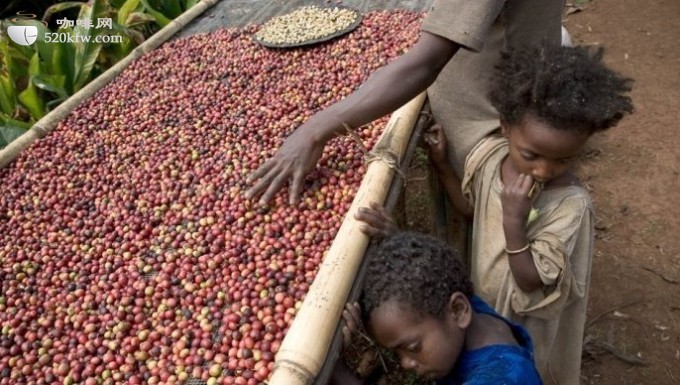
In 1957, a catastrophic frost hit Brazil—the world’s then-dominant coffee producer—severely damaging crops and disrupting global supply. Bolivia, relatively untouched by the frost, found an unexpected opportunity. With Brazil’s output down, Bolivia stepped in to fill part of the gap, leading to a short-lived boom in its coffee production and exports during that period.
Growing Altitudes and Early Exports
Bolivia’s coffee has traditionally been cultivated at relatively low elevations for specialty standards—between 180 and 670 meters above sea level. Most of the exported coffee was washed arabica, sent primarily to European markets such as Germany and Sweden. While it reached international buyers, the flavor was not regarded as premium by today’s specialty standards, often described as carrying a certain bitterness.
Why Elevation Matters in Coffee Flavor
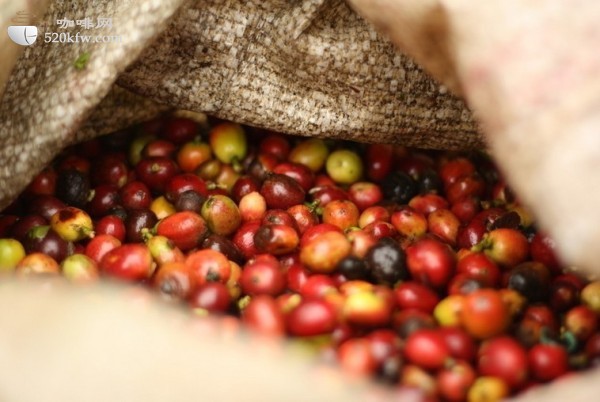
Coffee flavor is closely tied to growing altitude. Generally, higher elevations slow down bean development, leading to denser beans with more complex acidity and sweetness. Bolivia’s traditional coffee-growing altitudes of 180–670m are on the lower side, which helps explain the historical reports of simpler, sometimes bitter cup profiles. These lower altitudes don’t provide the same slow maturation that higher regions offer for developing nuanced flavors.
Frequently Asked Questions
When did Bolivia start producing coffee commercially?
Bolivia began real commercial coffee production in the early 1950s. Prior to that, coffee was mostly planted decoratively around gardens and not cultivated for large-scale harvest or export.
What caused Bolivia’s coffee industry to grow in the 1950s?
Bolivia’s coffee production expanded in the 1950s, particularly after the 1957 frost in Brazil. That natural disaster damaged Brazil’s coffee crops, reducing global supply and creating an opportunity for Bolivia to export more coffee to markets like Germany and Sweden.
At what altitudes is coffee grown in Bolivia?
Traditionally, coffee in Bolivia has been grown at altitudes between 180 and 670 meters above sea level. These elevations are lower than those typically used for high-end specialty coffee, which often grows above 1,200m.
How was Bolivia’s early exported coffee described?
Early exported Bolivian coffee, mostly washed arabica, was sent to Germany and Sweden. It was not considered among the best-quality coffees by today’s specialty standards and was frequently noted for having a bitter taste.
Why does altitude affect coffee flavor?
Higher altitudes slow coffee cherry ripening, resulting in denser beans that typically have brighter acidity and more complex flavors. Lower-altitude coffee, like much of Bolivia’s traditional crop, tends to mature faster and can produce simpler, sometimes more bitter profiles.
Recommended FrontStreet Beans for Exploring Low-Grown Profiles
While Bolivia itself is rarely featured, FrontStreet Coffee offers beans grown at comparably lower altitudes that help illustrate similar flavor dynamics. Try the FrontStreet Yunnan Arabica for a light-bodied, tea-like cup with mild sweetness and subtle earthiness—similar to what lower-altitude coffees can express. For something fruitier but still approachable, the FrontStreet Kenya Little Tomato shows bright acidity despite a medium altitude profile. Both beans are great for exploring how elevation influences flavor. Freshly roasted within 5 days · Orders placed before 17:00 ship the same day · Next-day delivery across most of Guangdong Province.
FrontStreet Coffee is a long-established specialty coffee roaster in Guangzhou China, selling freshly roasted beans from its own farm in Yunnan as well as dozens of carefully selected single-origin beans from around the world for both pour-over and espresso. The products deliver consistently excellent quality and great value, with shipping within 24 hours. Guangzhou's FrontStreet Coffee shop is recommended by many coffee lovers, and the beans are now available online at the Tmall 。
Important Notice :
前街咖啡 FrontStreet Coffee has moved to new addredd:
FrontStreet Coffee Address: 315,Donghua East Road,GuangZhou
Tel:020 38364473