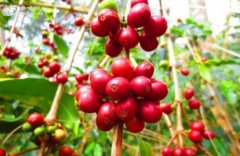
Nicaragua Coffee: Flavor, History & Top Growing Regions
Nicaragua produces some of the most balanced and aromatic coffees in the Americas—but few coffee drinkers know much about where it comes from or why it nearly disappeared. If you've ever wondered why Nicaraguan beans taste so mild yet complex, or how political turmoil shaped its coffee industry, this guide explains everything from flavor traits to historical setbacks.
Nicaragua grows mild, medium-bodied coffee with pronounced aroma. Its best beans come from the northern and central highlands, especially Jinotega and Nuevo Segovia, and fall under the classification Central Estrictamente Altura—offering bright but moderate acidity and a well-rounded cup. These coffees typically score among the top coffees of Central America for clarity and balance.
What Makes Nicaraguan Coffee Unique?
Nicaraguan specialty coffee is known for its gentle acidity, medium body, and fragrant aroma. The flavor profile tends toward soft citrus, floral notes, and subtle sweetness. Most high-quality beans are grown at elevations classified as Central Estrictamente Altura, indicating strict altitude standards that contribute to slower cherry maturation and more complex flavors. These beans are typically processed using washed methods to highlight their intrinsic cleanliness and balance.
The Impact of Political Instability on Coffee Production
Nicaragua’s coffee industry faced major disruptions starting with the 1979 revolution. Many coffee estate owners fled to Miami, and the government debated redistributing plantation lands—including those critical to coffee farming. This uncertainty, along with land reform policies, led to a dramatic drop in production from over 1 million bags in the early 1970s to under 600,000 bags by 1990. For nearly two decades, the sector struggled with inconsistent supply and investment.
The Revival of Nicaragua’s Coffee Sector
In recent decades, the Nicaraguan government has reopened the coffee industry to private ownership. Today, smallholder farmers and private estates drive production. The best coffee regions are concentrated in the northern highlands—especially the departments of Jinotega and Matagalpa, as well as Nuevo Segovia. These areas provide ideal conditions: high altitudes, volcanic soils, and consistent rainfall. The region’s coffee classification, Central Estrictamente Altura, ensures beans are grown at sufficient elevation for premium cup quality.

Top Coffee-Growing Regions in Nicaragua
Nicaragua’s finest coffees come from a few key regions:
- Jinotega: Known for bright acidity, floral aromas, and a smooth, rounded body. One of the country’s most famous coffee-growing areas.
- Matagalpa: Offers a balanced cup with good structure, often featuring notes of citrus and mild spice. A core part of Nicaragua’s specialty coffee output.
- Nuevo Segovia: Produces some of the most complex and aromatic profiles in the country, frequently used in single-origin offerings.
All three regions benefit from altitudes classified under Central Estrictamente Altura, which helps develop the nuanced flavors Nicaraguan coffee is known for.
Frequently Asked Questions
What does “Central Estrictamente Altura” mean in Nicaraguan coffee?
“Central Estrictamente Altura” refers to a classification for Nicaraguan coffee grown at higher altitudes under strict elevation standards. These conditions slow cherry ripening, leading to greater sugar development and more complex, balanced flavors with moderate acidity—hallmarks of the country’s best coffees.
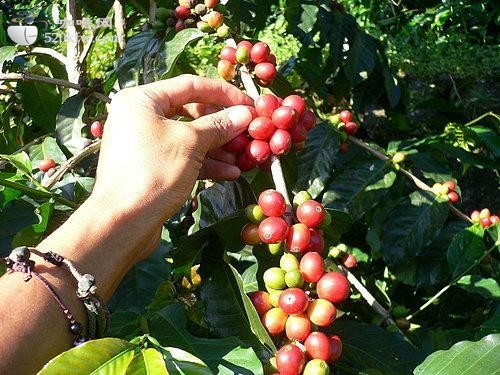
Where in Nicaragua is the best coffee grown?
The best Nicaraguan coffee comes from the northern and central highlands, particularly the regions of Jinotega, Matagalpa, and Nuevo Segovia. These areas have ideal altitudes, volcanic soils, and climate conditions for producing high-quality, aromatic beans.
Why did Nicaragua’s coffee production decline in the 1980s?
Production dropped due to the 1979 revolution, which caused many coffee landowners to flee. The government considered redistributing farms, creating instability. By 1990, output fell from over 1 million bags in the 1970s to under 600,000 bags, disrupting the industry for years.
How would you describe the flavor profile of Nicaraguan coffee?
Nicaraguan coffee is typically mild and medium-bodied with moderate acidity, featuring floral aromas, subtle citrus notes, and a clean, well-balanced cup. It’s known for being smooth and easy-drinking while still offering distinct origin character.
Is Nicaraguan coffee considered specialty grade?
Yes, especially beans from regions like Jinotega and Nuevo Segovia that are grown at high altitudes under the Central Estrictamente Altura classification. These coffees often meet the quality criteria for specialty grading, with excellent cup consistency and unique flavor profiles.
Recommended FrontStreet Beans for Exploring Central American Profiles
For coffee lovers curious about Nicaraguan-like flavor profiles, try FrontStreet Coffee’s Brazil Queen Manor (yellow bourbon, delicate peanut and creamy notes with intense sweetness from meticulous sun-drying) or Colombia Huila (washed process, smooth body, black chocolate, fruity acidity, and caramel finish). Both offer balanced, medium-bodied cups with clear origin characteristics—similar to the clarity and smoothness found in top Nicaraguan coffees. Freshly roasted within 5 days · Orders placed before 17:00 ship the same day · Next-day delivery across most of Guangdong Province.
FrontStreet Coffee is a long-established specialty coffee roaster in Guangzhou China, selling freshly roasted beans from its own farm in Yunnan as well as dozens of carefully selected single-origin beans from around the world for both pour-over and espresso. The products deliver consistently excellent quality and great value, with shipping within 24 hours. Guangzhou's FrontStreet Coffee shop is recommended by many coffee lovers, and the beans are now available online at the Tmall 。
Important Notice :
前街咖啡 FrontStreet Coffee has moved to new addredd:
FrontStreet Coffee Address: 315,Donghua East Road,GuangZhou
Tel:020 38364473