An Intro to Specialty Coffee Bean Roasting
If you’ve ever wondered why some coffee tastes bright and complex while others fall flat, the answer often starts long before brewing — with how the beans were roasted. Roasting transforms green coffee into the flavorful beans we know, but getting it right is far from simple. Even skilled roasters spend years perfecting their craft.
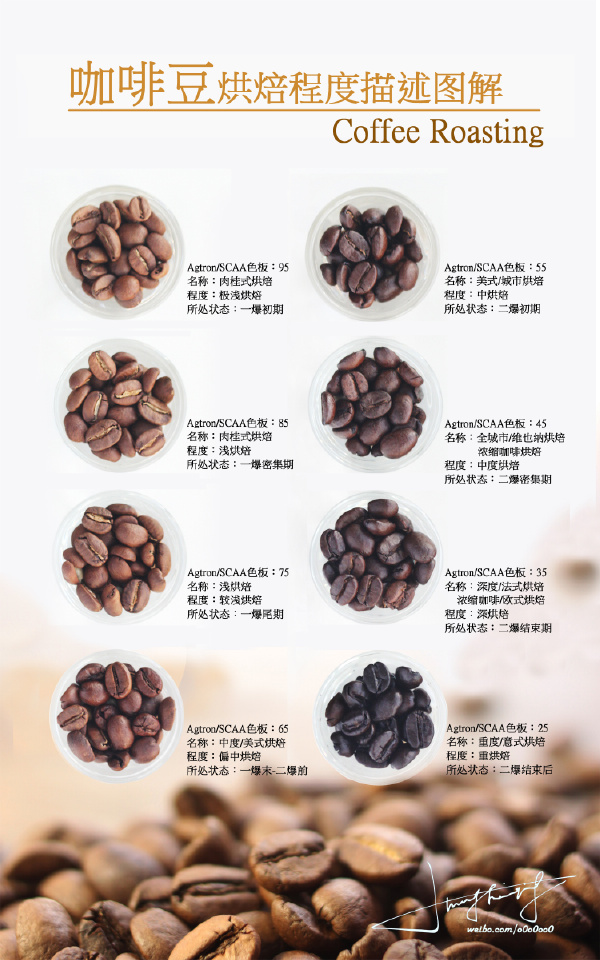
To roast coffee well, you need to select quality green beans, manage heat through key phases like drying, first and second crack, and cool the batch quickly. Then let the beans rest before brewing. Most home roasts are best used within a month for optimal freshness.
Why Green Bean Selection Matters
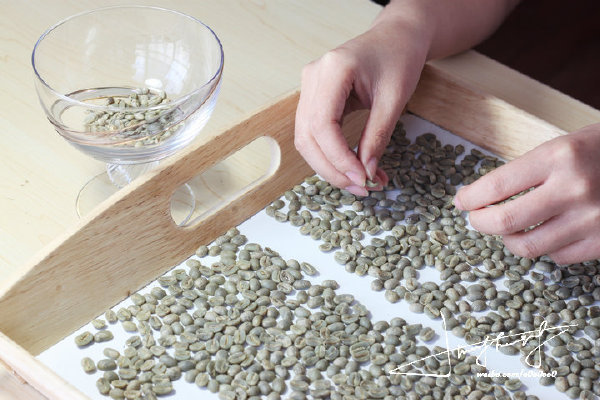
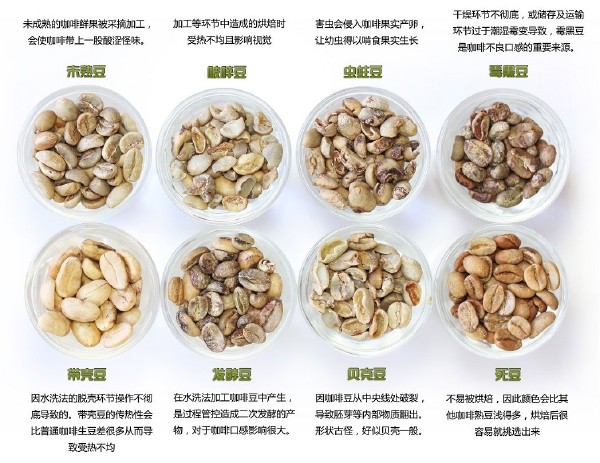
Before roasting, always hand-pick your green beans to remove defects. Defective beans — even ones that aren’t obvious after roasting — can ruin cup quality. Common flaws include insect damage, mould, black beans, sour beans, shells, broken beans, and immature beans. These not only affect taste but also roast consistency. The effort to sort them is essential and time-consuming, but it’s one of the most impactful steps for quality.
How to Start Roasting at Home
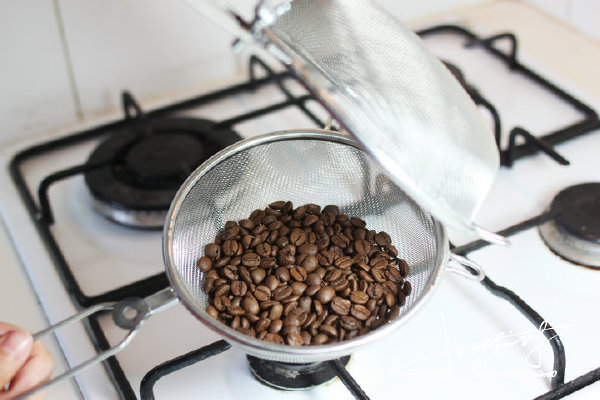
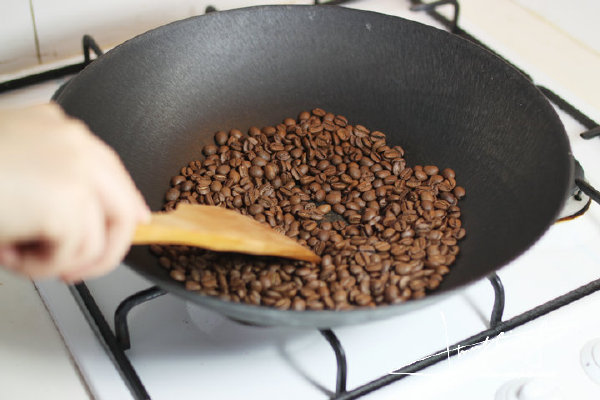
You don’t need a commercial roaster to begin. For beginners, simple tools like a skillet (iron pan) or a hand-cranked roasting sieve (hand net) work. When using a hand net, roast 100–180g of green beans per batch. With a skillet, aim for 150–300g per batch. While these methods require effort and close attention, they’re low-cost ways to understand roasting fundamentals.
Note: What might look like roasting in early photos is often just cooling. Cooling freshly roasted beans quickly is a separate, critical step — not part of the roast itself.
The Coffee Roasting Process Explained
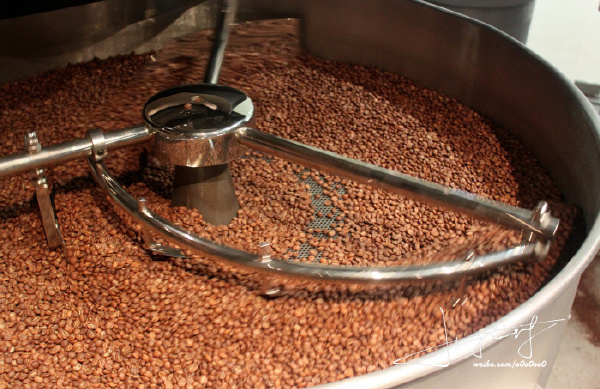
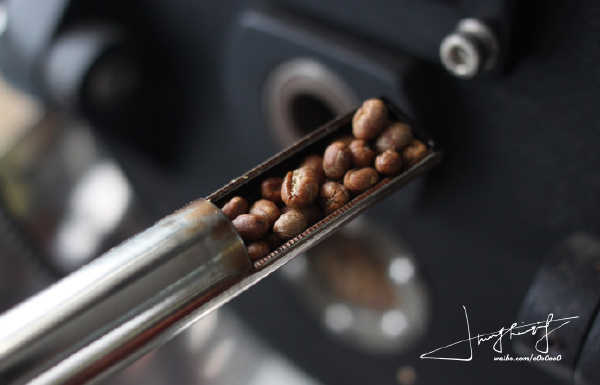
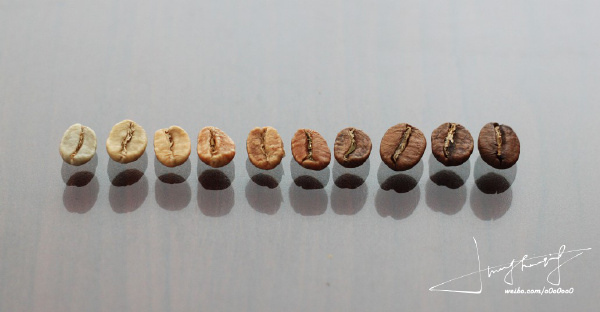
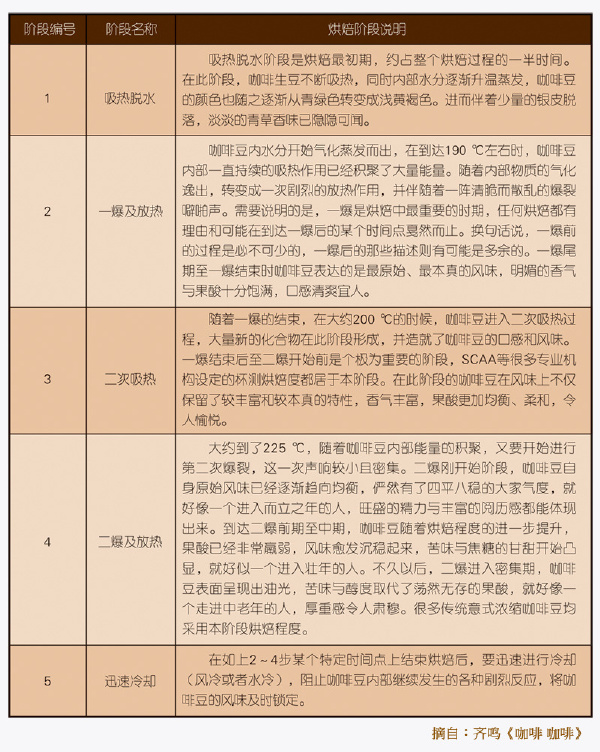
During roasting, green coffee undergoes dramatic physical and chemical changes. First, the beans lose moisture under high heat. Then they absorb heat and expand, eventually reaching key stages known as first crack and second crack. Each phase triggers different reactions, including the Maillard reaction, which develops aroma and colour. The challenge? Every origin and bean variety reacts differently. Understanding these changes comes down to repeated trial and error — roast, cup, adjust, and repeat.
Cooling, Sorting, and Resting Roasted Beans
As soon as roasting finishes, you must cool the beans rapidly to stop the process. Then, do a final check to remove any underdeveloped or defective beans that may have passed unnoticed. After roasting, let the beans rest — typically around one week — to allow gases to dissipate and flavours to mellow. Freshness peaks during this period. For the best results, use the roasted beans within one month and always grind them fresh before brewing.
Frequently Asked Questions
What’s the first step in roasting coffee beans at home?
The first step is selecting and sorting green coffee beans by hand to remove defects like insect damage, black beans, sour beans, and shells. Even defects that aren’t visible after roasting can harm flavour, so this step is essential for quality.
Do I need a professional coffee roaster to start?
No. You can begin with basic home tools like a skillet (150–300g per batch) or a hand-cranked roasting sieve (100–180g per batch). These manual methods are affordable and help you learn the fundamentals of heat application and bean development.
What happens during the coffee roasting process?
Roasting involves moisture loss, heat absorption, expansion, and key phases like first and second crack. These stages trigger complex chemical reactions, including the Maillard reaction, which shapes aroma, colour, and flavour. Each coffee variety reacts differently, requiring experimentation to master.
How long should I let roasted coffee beans rest before brewing?
Allow roasted beans to rest for about one week. This resting period lets carbon dioxide escape and flavours stabilize. The beans are best used within one month of roasting for optimal freshness and taste.
How important is cooling roasted beans after roasting?
Cooling is critically important. You must cool roasted beans quickly after the roast ends to halt the roasting process. This step is separate from roasting itself and prevents over-roasting or uneven development.
Why should I remove defective beans before roasting?
Defective beans — such as mouldy, sour, or insect-damaged beans — can ruin the flavour of the entire batch. They also roast inconsistently. Removing them before roasting ensures better cup quality and more uniform roasting results.
Recommended FrontStreet Coffee for Roasting Beginners
Try FrontStreet Coffee’s Ethiopia Humbera for bright floral and citrus notes, ideal for understanding light roast profiles. For a balanced medium roast, their Yirgacheffe offers juicy berries and stone fruit. Both beans are single origins, freshly roasted, and great for learning how roast levels affect flavour. Freshly roasted within 5 days · Orders placed before 17:00 ship the same day · Next-day delivery across most of Guangdong Province.
FrontStreet Coffee is a long-established specialty coffee roaster in Guangzhou China, selling freshly roasted beans from its own farm in Yunnan as well as dozens of carefully selected single-origin beans from around the world for both pour-over and espresso. The products deliver consistently excellent quality and great value, with shipping within 24 hours. Guangzhou's FrontStreet Coffee shop is recommended by many coffee lovers, and the beans are now available online at the Tmall 。
Important Notice :
前街咖啡 FrontStreet Coffee has moved to new addredd:
FrontStreet Coffee Address: 315,Donghua East Road,GuangZhou
Tel:020 38364473