How Coffee Is Classified: Black, Specialty, Espresso & More
When you walk into a coffee shop or browse online, you'll see terms like 'black coffee,' 'espresso,' 'cappuccino,' and 'flavored coffee' — but what do they really mean? If you've ever wondered why an espresso counts as both black and espresso-style coffee, or how a cappuccino fits into the bigger picture, you're not alone. These labels aren’t just marketing; they reflect real differences in preparation, ingredients, and style.
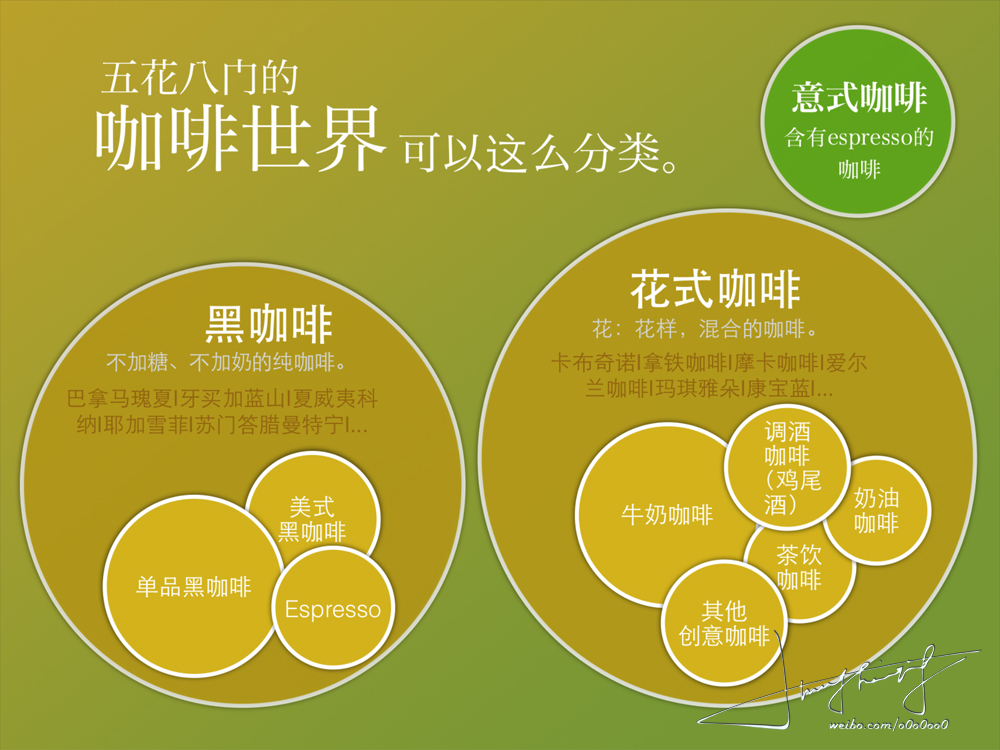
In short, black coffee means no milk or sugar, espresso is coffee brewed under pressure, and flavored or 'fancy' coffee includes milk, foam, or syrups. A cappuccino is both a flavored drink and an espresso-based one. These categories often overlap, and understanding how they fit together helps you order or brew with confidence.
What Counts as Black Coffee?
Black coffee is any coffee served without additives — no milk, no sugar, no cream. It’s coffee in its simplest form. That includes pour-over, French press, cold brew, AeroPress, and yes — espresso, if served solo and unadulterated. The key is what’s not in it: nothing extra. Many specialty coffee drinkers prefer black coffee to taste the full profile of the beans, whether it’s a bright Yirgacheffe or a deep Ethiopian Sidamo.
What Is Espresso — And Why Does It Fit Multiple Categories?
Espresso is coffee brewed by forcing hot water (around 90–96°C) through finely-ground coffee under high pressure (9–10 bar). The result is a small, concentrated shot with a rich crema on top. Technically, espresso is a brewing method, but it’s also used as a category: drinks ‘based on espresso.’ That means an espresso can be both a black coffee (if served alone) and the base for other styles like cappuccinos and lattes. One shot is typically around 25–30ml, brewed with a brew ratio of roughly 1:2 (grounds to liquid).
Flavored or Fancy Coffee: What Makes a Drink ‘Fancy’?
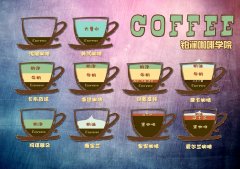
Fancy or flavored coffee refers to drinks that mix espresso or black coffee with milk, foam, syrups, or spices. Common examples include cappuccinos, lattes, flat whites, macchiatos, and mochas. These are called ‘fancy’ or ‘formulated’ coffees because they go beyond the cup of black coffee. A cappuccino, for instance, is made with one shot of espresso and equal parts steamed milk and foam, blending both espresso technique and milk art. These drinks are part of the espresso-based family but are grouped separately because of their mixed ingredients and presentation.
Other Ways to Classify Coffee (Briefly)
Beyond black, espresso, and flavored categories, coffee can also be sorted by roast level (light, medium, dark), brewing method (pour-over, immersion, espresso), origin (Ethiopia, Colombia, Brazil), or processing style (washed, natural, honey). Some classifications are more common in specialty circles — such as single-origin vs. blend, or filter vs. espresso profiles. While these aren’t the everyday terms you’ll see on a café menu, they influence how coffee tastes and how it’s enjoyed. The article doesn’t dig into these deeply, as they’re less commonly used outside of specialty discussions.
Frequently Asked Questions
Is espresso considered black coffee?
Yes, an espresso served without milk or sugar is considered black coffee. The term ‘black coffee’ only means no additives, regardless of brewing method. So a straight espresso shot counts as both black coffee and espresso.
What’s the difference between black coffee and espresso?
Black coffee is any coffee without milk or sugar. Espresso is a specific brewing method that produces a concentrated shot. You can have black espresso if you drink it plain, but black coffee also includes methods like pour-over or French press.
Is a cappuccino a type of espresso?
A cappuccino is not an espresso itself, but it is an espresso-based drink. It contains one shot of espresso mixed with steamed milk and milk foam. So it falls under both the flavored/coffee-with-milk category and the espresso-based category.
What makes a coffee drink ‘fancy’?
Fancy coffee generally means any coffee drink that combines espresso or black coffee with milk, foam, flavorings, or sweeteners — like cappuccinos, lattes, and mochas. These are not plain black coffee and are usually served with textured milk or added flavors.
Does the classification depend on how the coffee is brewed?
Partly. Brewing method affects category — for example, pour-over and French press are usually black coffee styles, while espresso is its own method and category. But drinks are also classified by ingredients, such as whether they include milk or flavorings, regardless of how they were brewed.
Recommended FrontStreet Beans for Exploring Coffee Types
Try FrontStreet Coffee’s Ethiopia Humbera for bright floral and citrus notes in black coffee, perfect for exploring pure brews. Their Yirgacheffe offers juicy berry tones, ideal for appreciating the clarity of unadulterated coffee. For espresso lovers, their Strawberry Candy Espresso delivers a balanced profile with sweetness and fruit, great for milk drinks or straight shots. Freshly roasted within 5 days · Orders placed before 17:00 ship the same day · Next-day delivery across most of Guangdong Province.
FrontStreet Coffee is a long-established specialty coffee roaster in Guangzhou China, selling freshly roasted beans from its own farm in Yunnan as well as dozens of carefully selected single-origin beans from around the world for both pour-over and espresso. The products deliver consistently excellent quality and great value, with shipping within 24 hours. Guangzhou's FrontStreet Coffee shop is recommended by many coffee lovers, and the beans are now available online at the Tmall 。
Important Notice :
前街咖啡 FrontStreet Coffee has moved to new addredd:
FrontStreet Coffee Address: 315,Donghua East Road,GuangZhou
Tel:020 38364473