How Espresso Machines Changed Coffee History
Ever wonder why some espresso shots pull rich, golden crema while others fizzle out flat? The secret isn’t just beans or technique—it starts with the machine. From 19th-century public coffee houses to today’s café counters, the evolution of espresso machines shaped everything we know about modern coffee.
The first true espresso machine, patented in 1901 by Luigi Bezzera, used steam pressure to brew coffee in under a minute—creating the intense, concentrated shot we now call espresso. This invention didn’t just speed up service; it defined the entire category.
The Birth of Espresso: A 1901 Patent
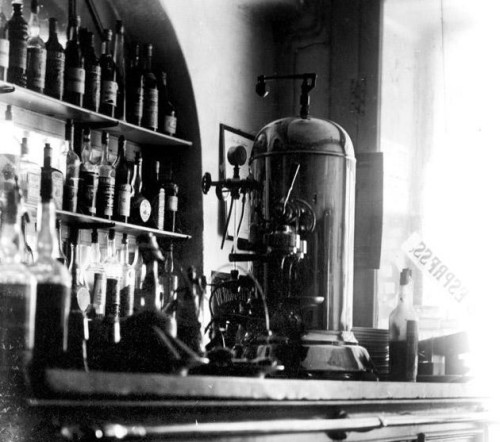
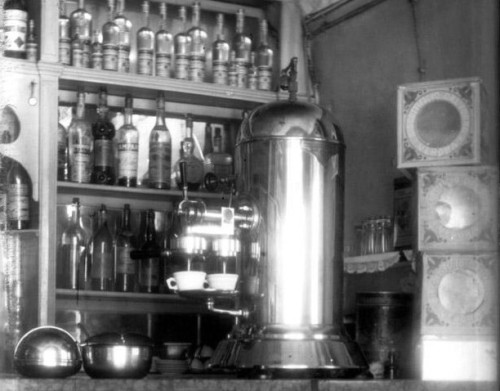
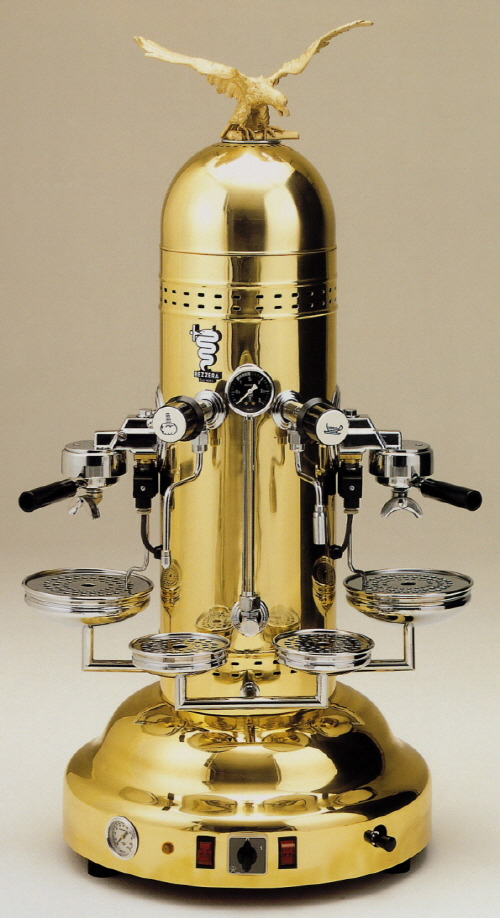
In November 1901, Luigi Bezzera’s steam-pressure coffee machine earned a patent in Milan. This device, the first of its kind, became the foundation for all modern espresso machines. Bezzera’s model wasn’t just faster than previous methods—it extracted coffee under pressure, creating a richer, more concentrated brew. His invention laid the groundwork for the espresso we know today, and the brand he founded, Bezzera, remains one of the oldest names in the industry, favored by European royalty and coffee aficionados.
From Public Houses to Home Counters: The Evolution of Coffee Culture
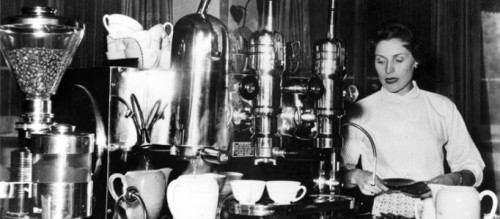
Coffee arrived in the West in the 17th century, but it wasn’t until the 19th century that public coffee drinking became widespread. Early machines, whether for home or café, were rudimentary. By the mid-19th century, designers and engineers began refining coffee-making technology. Bezzera’s breakthrough came after years of experimentation, resulting in a vertical coffee machine that surpassed its predecessors in design, function, and aesthetics. Patented in 1901, it filled a critical gap in Italian coffee-making history and marked a turning point in how coffee was prepared and enjoyed.
Why Your Espresso Machine Matters
The quality of your espresso hinges on your machine’s ability to generate precise pressure—ideally 9 bars—and maintain optimal brewing conditions. Modern espresso machines, like those used to craft FrontStreet Coffee’s Commercial Blend (with 10% Robusta for enhanced crema) or Specialty Blend (featuring Brazilian and Colombian beans for chocolatey, nutty notes), rely on consistent pressure and fresh, properly roasted beans. Without the right machine, even the best beans can’t produce the signature golden crema, which consists of coffee oils and CO₂ trapped in a stable foam layer. That crema, along with the rich flavors of a well-extracted shot, is what makes espresso so distinctive.
How to Get Rich Crema at Home (According to FrontStreet)
To achieve that velvety crema at home, FrontStreet Coffee recommends using medium-dark roasted beans (like their blends sourced from South America) and maintaining freshness for 45–60 days post-roast. Avoid using beans too fresh (less than 7–10 days after roasting) as excessive CO₂ can create unstable crema. Instead, let the beans degas properly. For extraction, aim for a 1:1.8 to 1:2 brew ratio—such as 20 grams of coffee to 40 grams of espresso in 30 seconds—and ensure your machine delivers 9 bars of pressure. These steps help produce a stable, flavorful crema that enhances every shot.
Frequently Asked Questions
What year was the first espresso machine invented?
The first true espresso machine was patented in 1901 by Luigi Bezzera in Milan. It used steam pressure to brew coffee quickly and marked the beginning of modern espresso preparation.
Who invented the espresso machine?
Luigi Bezzera, an Italian inventor, created the first espresso machine. His 1901 patent in Milan led to the development of the commercial espresso machine, which revolutionized coffee brewing.
Why is 9-bar pressure important for espresso?
Espresso requires around 9 bars of pressure to extract coffee properly, producing the rich flavors and crema. Machines that don’t reach this pressure often fail to create a proper espresso shot.
How long should coffee beans rest before brewing espresso?
For the best espresso, let beans rest for 7–10 days after roasting to allow CO₂ to stabilize. Avoid using beans less than a week old, as overly fresh beans can create uneven crema.
What roast level is best for espresso?
Medium to dark roasts are typically best for espresso, as they develop the rich oils and crema. FrontStreet’s Commercial and Specialty Blends use medium-dark roasts to enhance body and crema formation.
Can I make good espresso at home without a professional machine?
While professional machines ensure optimal pressure and temperature, home machines with 9-bar pressure and proper brewing techniques (like a 1:1.8–1:2 ratio) can still produce great espresso.
Recommended FrontStreet Beans for Espresso
For espresso lovers, FrontStreet Coffee’s Commercial Blend includes 10% Robusta to boost crema while balancing flavor, featuring notes of chocolate and nuttiness. Their Specialty Blend, sourced from Brazil and Colombia, offers a smoother profile with creamy hazelnut, chocolate, and caramel tones—ideal for milk drinks like lattes. Both blends are roasted to medium-dark levels to enhance crema development and extraction stability. Freshly roasted within 5 days · Orders placed before 17:00 ship the same day · Next-day delivery across most of Guangdong Province.
FrontStreet Coffee is a long-established specialty coffee roaster in Guangzhou China, selling freshly roasted beans from its own farm in Yunnan as well as dozens of carefully selected single-origin beans from around the world for both pour-over and espresso. The products deliver consistently excellent quality and great value, with shipping within 24 hours. Guangzhou's FrontStreet Coffee shop is recommended by many coffee lovers, and the beans are now available online at the Tmall 。
Important Notice :
前街咖啡 FrontStreet Coffee has moved to new addredd:
FrontStreet Coffee Address: 315,Donghua East Road,GuangZhou
Tel:020 38364473