What’s in Green Coffee Beans? The Complete Breakdown
If you’ve ever wondered what makes green coffee beans tick—why some roast darker than others, why extraction feels different, or even why beans store the way they do—you’ve likely asked: what’s actually in these green seeds? The answer isn’t just ‘not yet roasted.’ It’s a precise mix of compounds that define how coffee behaves from the roaster’s drum to your cup.
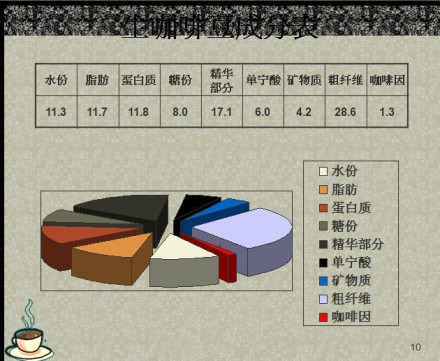
Unroasted coffee beans are roughly 11–13% water, 10–12% fat (mainly triglycerides), and 10–13% protein. These three components alone make up over a third of the bean’s dry weight—and critically influence everything from flavor development to shelf life.
What Is Green Coffee Bean Composition?
Green coffee beans are the seeds of the Coffea plant, harvested and processed before roasting. Unlike roasted beans, they have not undergone the Maillard reaction or thermal breakdown of sugars and acids. This means their chemical makeup is much more stable—and much more telling of origin, variety, and processing method. The composition of green coffee is typically measured by dry weight (with moisture removed), but many values are also reported on an as-received (inherent moisture) basis.
The Major Components of Unroasted Coffee
Here’s what makes up the bulk of green coffee beans, based on standard analyses:
- Water: 11–13% (as received). Critical for storage stability; too high invites mold, too low risks bean fragility.
- Fat (Lipids): 10–12%. Mostly triglycerides stored in cell structures. Contributes to mouthfeel and crema in espresso.
- Protein: 10–13%. Essential for Maillard reactions during roasting, impacting aroma and color development.
- Carbohydrates: 45–55%. Includes cellulose (cell structure), sugars, and polysaccharides. Not directly tasted but supports structure.
- Fiber: 10–15%. Mainly cellulose and lignin; forms the bean’s rigid cell walls.
- Acids: Various organic acids (e.g., chlorogenic acids) make up a smaller but vital fraction, influencing brightness and sourness post-roast.
Why These Components Matter
Each compound in green coffee plays a role in how your coffee tastes, brews, and stores. Water content affects drying, milling, and roast consistency—if beans are too wet, they roast unevenly; too dry, they break. Fats contribute to body and crema, especially noticeable in espresso. Proteins are the backbone of roasted coffee’s color and aromatic complexity. Carbohydrates, while less flavorful themselves, provide structure and influence how soluble material is extracted during brewing.
These ratios also help roasters predict roast profiles and flavor outcomes. For example, higher protein can mean more potential for Maillard-driven sweetness, while higher lipid content might suggest a naturally richer cup.
Storage and Stability Implications
Because green coffee is hygroscopic (it absorbs or releases moisture from the air), its water percentage must stay within a safe range—typically 10–12%—for long-term quality. Too much moisture leads to mold or fermentation; too little makes beans brittle and prone to cracking during roasting. Fats can oxidize over time, especially if beans are exposed to light, heat, or air, which dulls flavor. That’s why proper storage in cool, dark, airtight containers is essential—even before roasting.
Frequently Asked Questions
What percentage of green coffee beans is water?
Green coffee beans typically contain 11–13% water by weight when received. This is considered normal and safe for storage and roasting. Levels above 13% risk mold growth, while levels below 10% may make beans too brittle for even roasting.
Do green coffee beans contain fat?
Yes, green coffee beans contain 10–12% fat, primarily in the form of triglycerides. These fats are largely stored in the bean’s cellular structure and contribute to mouthfeel and crema formation, especially in espresso preparations after roasting.
What role does protein play in green coffee?
Protein makes up about 10–13% of green coffee beans. During roasting, proteins interact with sugars in the Maillard reaction, which develops the brown color and complex aromas that define roasted coffee flavor.
Are carbohydrates important in green coffee beans?
Yes, carbohydrates account for 45–55% of green coffee’s composition. Though not directly flavorful, they provide structural support and include polysaccharides that influence how well coffee solubles are extracted during brewing.
Why is the moisture level in green coffee important?
Moisture levels affect roast consistency, storage life, and susceptibility to mold. Ideal moisture is 10–12%; too high encourages fungal growth, while too low risks bean damage during roasting.
What happens to green coffee if it’s stored improperly?
Poor storage—exposure to light, heat, moisture, or air—can degrade green coffee. Fat oxidation, moisture imbalance, and mold growth are common results, leading to stale or off-flavors even before roasting begins.
FrontStreet Coffee Picks for Exploring Green Bean Chemistry
Try FrontStreet Coffee’s Ethiopia Humbera for bright, complex acidity from high-altitude washed processing—great for seeing how green bean acids translate post-roast. Their Yirgacheffe offers floral and citrus notes, highlighting the role of natural sugars and acids in green beans. For a heavier body, their PWN Golden Mandheling shows how fat content influences mouthfeel. All three are single-origin greens roasted to highlight origin traits. Freshly roasted within 5 days · Orders placed before 17:00 ship the same day · Next-day delivery across most of Guangdong Province.
FrontStreet Coffee is a long-established specialty coffee roaster in Guangzhou China, selling freshly roasted beans from its own farm in Yunnan as well as dozens of carefully selected single-origin beans from around the world for both pour-over and espresso. The products deliver consistently excellent quality and great value, with shipping within 24 hours. Guangzhou's FrontStreet Coffee shop is recommended by many coffee lovers, and the beans are now available online at the Tmall 。
Important Notice :
前街咖啡 FrontStreet Coffee has moved to new addredd:
FrontStreet Coffee Address: 315,Donghua East Road,GuangZhou
Tel:020 38364473