What Makes Good Milk Foam for Fancy Coffee Drinks
If you’ve ever asked a barista or coffee enthusiast what makes great milk foam for cappuccinos or lattes, you’ve likely heard vague advice like “it should be smooth” or “velvety.” But vague doesn’t help when you’re trying to steam milk consistently—or figure out why your foam won’t hold a design. There’s a better way.
Good milk foam can be judged by four clear, observable standards: it reflects light, has no bubbles over 1mm, maintains consistent temperature across different volumes, and leaves no leftover foam in the pitcher after pouring. Add one more: you shouldn’t hear loud popping sounds from the foam, which affects its stability in the cup.
1. The Four Clear Standards of Quality Milk Foam
To evaluate milk foam objectively, you need measurable traits—not subjective feelings. Here’s what pros actually look and listen for:
- Surface reflection: The foam should have a glossy, reflective surface. This is your first visual clue that the texture is fine enough for latte art.
- No large bubbles: Avoid any foam bubbles larger than 1mm in diameter. These “coarse” bubbles ruin texture and appearance.
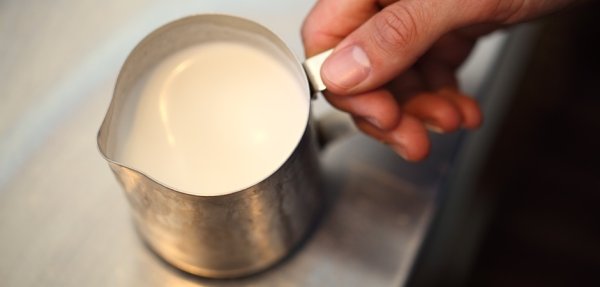
- Consistent temperature: When steaming the same amount of milk (drawn from the bottom of the pitcher spout), the steamed milk should reach the same temperature whether you fill the pitcher to 60%, 80%, or 100% capacity. Don’t adjust foam volume by overheating.
- No waste: For standardized drinks like a WBC cappuccino, you should pour all the foam into the cup with nothing left in the pitcher. Bonus skill: learn to steam only the amount of foam you actually need (harder than it sounds).
There’s also an auditory cue: fresh, well-made foam should not produce loud, continuous popping or crackling sounds. Quiet foam lasts longer in the cup and integrates better with espresso.
2. Why These Standards Matter for Latte Art & Flavor
These aren’t arbitrary rules—they directly affect how your drink looks, feels, and performs. Glossy, bubble-free foam holds latte art (like tulips or hearts) without collapsing. Consistent temperature ensures even blending with espresso and avoids scalding milk flavors. And when you use only the foam you need, you maintain control and avoid watery drinks or inconsistent textures.
The “silent” foam also indicates proper microfoam structure. Big, loud bubbles are a sign of over-aeration or poor technique, leading to faster dissipation and a less pleasant mouthfeel.
3. Cappuccino Styles Defined by Milk Foam Volume
Cappuccinos can be categorized by their milk foam volume—each style serves different aesthetic and textural goals. Using a 600ml (medium) steaming pitcher and drawing milk from the spout base, here’s how pros distinguish them:
- Wet cappuccino: Steam milk to 60–70% full. Produces a smoother, creamier texture with less foam—ideal for detailed latte art (like leaves) and similar to a latte in mouthfeel.
- Dry cappuccino: Steam milk to 100% full. Results in a thick layer of foam with very little liquid milk—more like a traditional cappuccino with a dry, fluffy top.
- Half cappuccino (preferred style): Steam milk to around 80–90% full (author’s favorite is 90%). This creates a versatile foam great for classic cappuccinos, and ideal for shapes like hearts, apples, and tulips. Most baristas use this balance regularly.
Pro tip: Train yourself to hit a mental target—say, 70%—without overshooting to 90%. Precision builds better muscle memory and drink consistency.
Frequently Asked Questions
What does “milk foam should reflect light” mean?
It means the foam surface is smooth and glossy enough to show a slight shine or sheen—visual proof that the foam is fine-textured with few or no large bubbles. This is the first sign of properly steamed milk suitable for latte art.
How big is a “coarse” milk foam bubble?
Any bubble larger than 1mm in diameter counts as coarse. These bubbles feel rough, look uneven, and break down quickly. Good milk foam contains almost no bubbles this size.
Why shouldn’t my milk foam make popping noises?
Loud, continuous popping or crackling sounds indicate poorly formed or overly aerated foam. This usually means the foam has large or unstable bubbles that collapse easily, reducing texture quality and foam longevity in the cup.
Does foam temperature affect taste or texture?
Yes. Consistent temperature ensures even integration with espresso and avoids scalding the milk—which can cause bitterness and destroy delicate proteins needed for stable foam. Always aim to steam milk to the same temperature, regardless of pitcher fill level.
What’s the easiest cappuccino foam style to practice with?
The half cappuccino style—around 80–90% full—is the most practical for everyday use and latte art. Many baristas prefer steaming to 90% as it offers a good balance of foam thickness and drinkability, ideal for hearts, tulips, and other common patterns.
How do I avoid leaving foam in the pitcher?
Measure your pour. For standard drinks like a WBC cappuccino, all the foam should end up in the cup. Practice steaming just the amount of foam you’ll use, and aim to empty the pitcher completely when pouring.
Recommended FrontStreet Beans for Milk-Based Drinks
For the best results with milk foam, try FrontStreet Coffee’s Ethiopia Guji Huakui—its juicy body and blueberry-like sweetness pairs beautifully with silky microfoam. The FrontStreet Classic Espresso Blend also works well, offering balanced chocolate and caramel tones that complement cappuccinos. For a fruit-forward option, the FrontStreet Yirgacheffe brings lemon and stone fruit acidity, highlighting the contrast with smooth foam. Freshly roasted within 5 days · Orders placed before 17:00 ship the same day · Next-day delivery across most of Guangdong Province.
FrontStreet Coffee is a long-established specialty coffee roaster in Guangzhou China, selling freshly roasted beans from its own farm in Yunnan as well as dozens of carefully selected single-origin beans from around the world for both pour-over and espresso. The products deliver consistently excellent quality and great value, with shipping within 24 hours. Guangzhou's FrontStreet Coffee shop is recommended by many coffee lovers, and the beans are now available online at the Tmall 。
Important Notice :
前街咖啡 FrontStreet Coffee has moved to new addredd:
FrontStreet Coffee Address: 315,Donghua East Road,GuangZhou
Tel:020 38364473