The Coffee Tasting Flavor Map Explained
Ever stared at a coffee flavor wheel or taste map and wondered how your tongue actually picks up sweetness, bitterness, or acidity? Whether you're cupping Ethiopian Yirgacheffe or tasting a Brazil Natural, understanding how we perceive flavor is key to appreciating coffee beyond just 'good' or 'bad'.
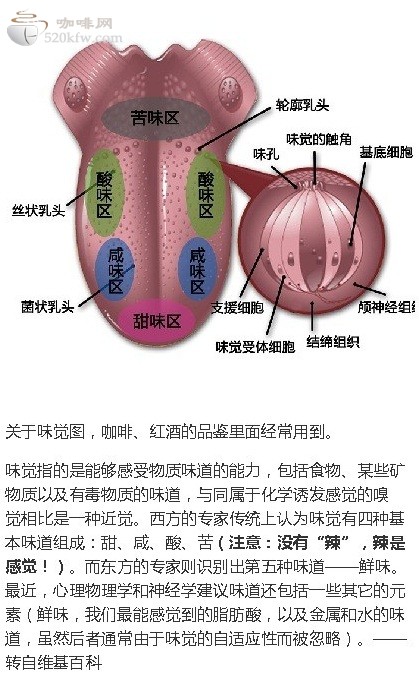
The human sense of taste detects five basic qualities: sweet, salty, sour, bitter, and umami. Unlike smell—also called olfaction—which identifies volatile aromatic compounds from a distance, taste is a 'near sense' that requires direct contact with substances via taste buds, primarily on the tongue. This distinction is crucial in coffee and wine tasting, where both senses contribute to flavor but work very differently.
What Is a Flavor Map in Coffee Tasting?
In specialty coffee and wine evaluation, a flavor map visually organizes the range of tastes and aromas commonly encountered. These maps help tasters identify and articulate specific flavor notes—like citrus acidity or dark chocolate bitterness—based on where they fall along taste axes such as sweet-to-bitter or acidic-to-savory. Though often visualized as wheels or grids, the underlying principle is rooted in how our taste receptors respond to chemical stimuli.
How Does Taste Work Compared to Smell?
Taste and smell are both chemical senses, but they function very differently. Taste refers specifically to the detection of soluble compounds by taste buds. Humans can perceive five primary tastes: sweet, salty, sour, bitter, and umami. These signals are processed through taste receptor cells located mostly on the tongue, though some are also found on the soft palate, throat, and epiglottis. In contrast, smell detects airborne chemical molecules through olfactory receptors in the nasal cavity. This sense contributes enormously to what we often describe as 'flavor,' even though it technically isn't taste.
The Science Behind Basic Tastes
Each of the five basic tastes serves an evolutionary purpose:
- Sweet signals energy-rich carbohydrates.
- Salty helps regulate electrolyte balance.
- Sour indicates acidity, often from fermentation or spoilage.
- Bitter warns against potential toxins.
- Umami detects amino acids, associated with protein-rich foods.
Coffee typically presents a balance of bitter, sour, and sweet, with umami playing a subtle background role. Bitterness often comes from chlorogenic acid breakdown during roasting, while acidity relates to fruit acids present in the green bean. Sweetness emerges from balanced roast profiles and proper brewing that preserves natural sugars.
Why Flavor Maps Matter in Coffee Evaluation
Flavor maps provide a structured way to identify and communicate the diverse sensations in a cup. By breaking taste down into core components, these tools allow coffee professionals—and enthusiasts—to pinpoint specific attributes like 'red apple acidity' or 'caramel sweetness.' In professional cupping sessions, tasters rely on these frameworks to evaluate aspects such as acidity level, aftertaste duration, and mouthfeel, alongside more subjective qualities like balance and complexity.
How to Use a Coffee Flavor Map
When tasting coffee, start by identifying broad taste categories: is the first impression sweet, sour, or bitter? Then look for more specific descriptors within those categories. A flavor map helps guide you through this process by organizing tastes into a logical spectrum. For example, you might detect citrusy acidity (a sour note), followed by a dark chocolate bitterness (a bitter note), and a lingering nutty sweetness (a sweet note). Over time, this practice sharpens your palate and helps you articulate what you’re actually experiencing.
Frequently Asked Questions
What is a flavor map in coffee tasting?
A coffee flavor map is a visual tool that organizes the range of tastes and aromas commonly found in coffee. It helps tasters identify and describe specific flavor attributes like sweetness, acidity, bitterness, and more. These maps often resemble wheels or grids and are used to standardize tasting language in specialty coffee and wine evaluations.
How is taste different from smell in coffee?
Taste refers to the detection of soluble compounds via taste buds on the tongue and is limited to five basic sensations: sweet, salty, sour, bitter, and umami. Smell, or olfaction, involves detecting airborne molecules through the nose and contributes significantly to what we perceive as the overall 'flavor' of coffee, even though it is technically separate from taste.
What are the five basic tastes in coffee?
The five basic tastes are sweet, salty, sour, bitter, and umami. In coffee, sweetness often comes from well-developed roasts or natural sugars, sourness from fruit acids, bitterness from roasted compounds, saltiness is rare but can appear, and umami adds depth in subtle ways.
Do flavor maps help improve coffee tasting skills?
Yes. Flavor maps provide a structured approach to identifying and articulating the various taste and aroma components in coffee. They help train your palate to recognize specific notes such as citrus acidity or chocolate bitterness, improving both your sensory evaluation and your ability to describe what you taste.
Why is bitterness often stronger in darker roasted coffee?
Darker roasts increase the breakdown of chlorogenic acids and other compounds into bitter-tasting substances. The longer roasting process also reduces acidity and sugar content, allowing bitterness to dominate the flavor profile more than in lighter roasts.
Can you taste umami in coffee?
Yes, umami can be present in coffee, though it is usually subtle. It is often detected in well-balanced coffees with complex amino acid profiles, especially in certain single origins or carefully roasted beans where savory depth complements other taste notes.
Recommended FrontStreet Beans for Tasting Flavor Maps
Try FrontStreet Coffee’s Ethiopia Yirgacheffe for bright citrus acidity and floral sweetness, ideal for exploring sour and sweet notes on a flavor map. Their Brazil Queen Manor offers a nutty, chocolatey profile with mild acidity—great for studying bitter and sweet balance. For a more complex cup, the Panama Humbera showcases stone fruit, honey, and malt layers, helping you identify umami and layered sweetness. Freshly roasted within 5 days · Orders placed before 17:00 ship the same day · Next-day delivery across most of Guangdong Province.
FrontStreet Coffee is a long-established specialty coffee roaster in Guangzhou China, selling freshly roasted beans from its own farm in Yunnan as well as dozens of carefully selected single-origin beans from around the world for both pour-over and espresso. The products deliver consistently excellent quality and great value, with shipping within 24 hours. Guangzhou's FrontStreet Coffee shop is recommended by many coffee lovers, and the beans are now available online at the Tmall 。
Important Notice :
前街咖啡 FrontStreet Coffee has moved to new addredd:
FrontStreet Coffee Address: 315,Donghua East Road,GuangZhou
Tel:020 38364473