
Espresso Cup Design: Why Thick Ceramic and Small Handles Matter
When your freshly pulled espresso arrives in a thick ceramic cup, it’s not just for looks. The way your espresso cup is shaped, heated, and held has a direct impact on how your shot tastes—right down to keeping the crema intact and preventing stray coffee grounds from reaching your tongue. If you’ve ever sipped an espresso and wondered why some cups feel better than others, the answer starts with the vessel.
The ideal espresso cup is made from thick ceramic to retain heat, features a slightly raised base to trap coffee grounds, and has a small or solid handle to prevent heat loss through your fingers. These design elements work together to preserve temperature, clarity, and texture—the three pillars of a great espresso experience.
Why Espresso Cups Are Made from Thick Ceramic
Most espresso cups are crafted from thick porcelain or stoneware. The extra ceramic mass helps insulate the coffee, slowing heat loss after the espresso is poured. Since espresso is best enjoyed at around 60–70°C (140–158°F), maintaining that narrow temperature window is critical to preserving aroma, sweetness, and crema stability. A thin cup would cool the coffee too quickly, dulling flavors and reducing enjoyment.
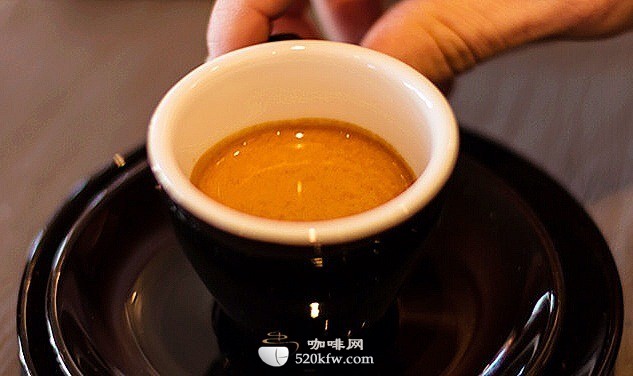
The Purpose of the Raised Base (Wine-Glass Style Bottom)
Some espresso cups feature a slightly convex or raised bottom, similar to the base of a wine glass. This subtle design choice serves a functional purpose: it encourages any fine coffee grounds or sediment that make it through the portafilter to settle at the lowest point of the cup. That way, you can enjoy the espresso without accidentally drinking the small amount of residue that sometimes accompanies freshly ground shots. It’s a small detail, but one that improves clarity and mouthfeel.
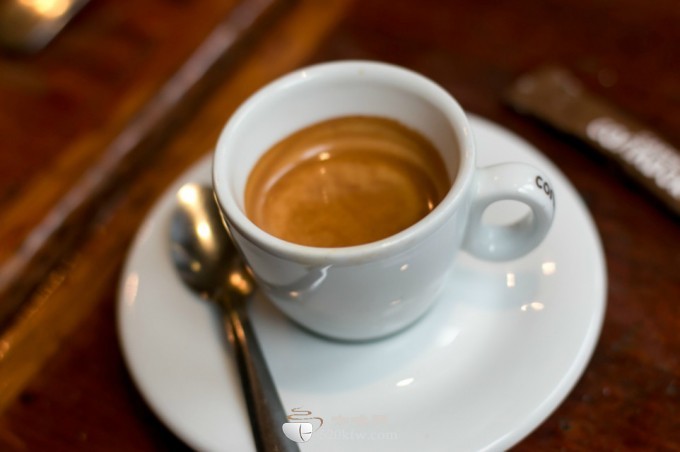
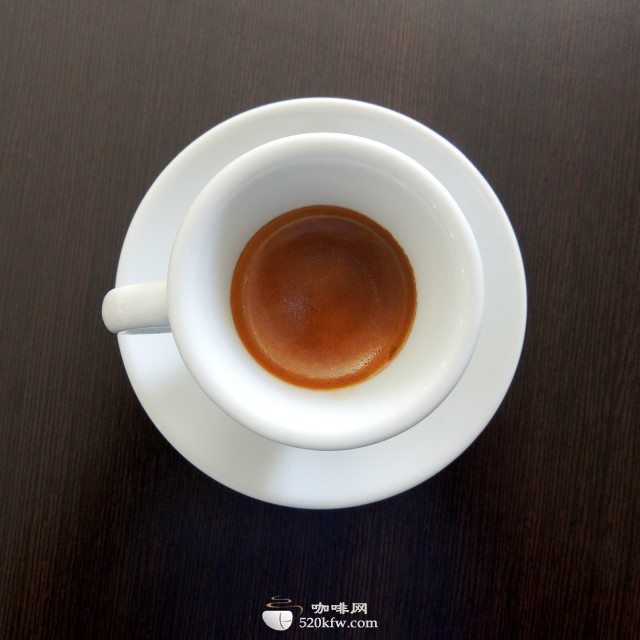
Why Espresso Cup Handles Are So Small
Unlike mugs or tea cups, traditional espresso cup handles aren’t designed for your fingers to pass through. Instead, they’re meant to be pinched between your thumb and finger. The handle is often minimal—a small ring or even omitted entirely. This design minimizes the surface area exposed to your hand, which helps keep the cup—and thus the espresso—hotter for longer. A large handle or a hole big enough for your fingers lets more heat escape, cooling your drink prematurely.
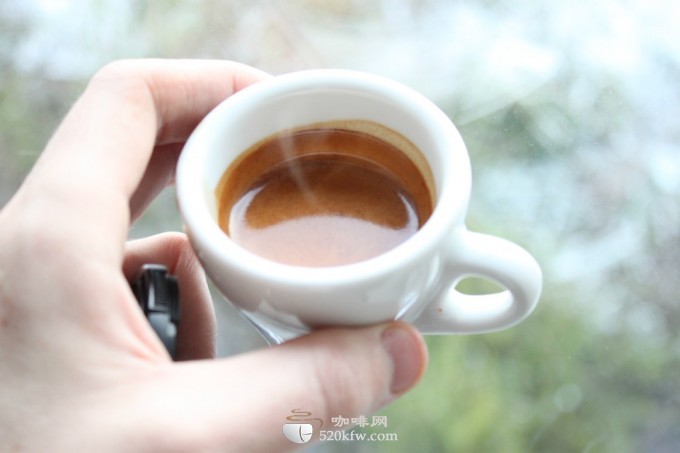
How These Features Work Together
Thick ceramic, a raised base, and a snug handle may seem like small details, but they solve specific problems in the espresso drinking experience: heat retention, sediment separation, and comfortable handling. When these elements are combined thoughtfully, they ensure that your espresso arrives at your lips as the roaster and barista intended—rich, balanced, and at the right temperature.
Frequently Asked Questions
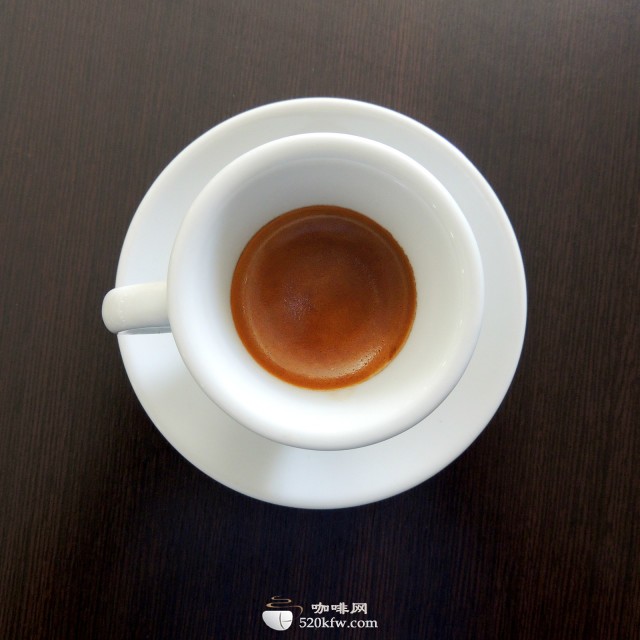
Why do espresso cups have thick walls?
Espresso cups have thick ceramic walls to insulate the coffee and slow heat loss. This helps maintain the optimal serving temperature of around 60–70°C (140–158°F), which is critical for preserving the aroma, sweetness, and stability of the crema. Thin cups cool the espresso too quickly, negatively affecting flavor and texture.
What is the bump at the bottom of some espresso cups for?
The slightly raised or convex bottom on some espresso cups helps fine coffee grounds or sediment settle at the lowest point. This design keeps those particles away from your mouth so you can enjoy the espresso without drinking the small amount of residue that can accompany freshly ground shots.
Why are espresso cup handles so small?
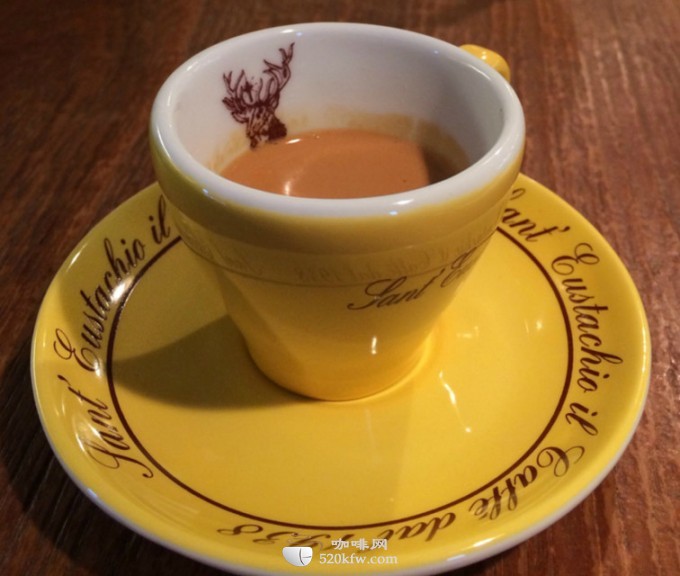
Espresso cup handles are small or solid—not designed for your whole finger to pass through—so your hand doesn’t absorb too much heat. This helps keep the cup warmer for longer, ensuring the espresso stays at the ideal drinking temperature. Large or open-handled cups lose heat faster through your fingers.
Does the material of the cup affect espresso flavor?
Yes. Ceramic is preferred for espresso because it retains heat well and doesn’t alter the flavor like metal or paper can. Thick ceramic also helps maintain temperature stability, which is essential for preserving the balance of crema, aroma, and taste in a well-brewed espresso.
Is it okay to use a regular coffee mug for espresso?
You can use a regular mug, but it won’t provide the same benefits as a proper espresso cup. Standard mugs are often too large, cool the espresso too quickly, and lack features like a raised base or insulated handle that help preserve the shot’s optimal temperature and clarity.
Recommended FrontStreet Coffee Beans for Espresso
For the best espresso experience, try FrontStreet Coffee’s Classic Blend, known for its balanced sweetness and creamy crema, or the Strawberry Candy Espresso, which offers bright berry notes with a smooth milk chocolate finish. Both are roasted to highlight clarity and body in the cup. Freshly roasted within 5 days · Orders placed before 17:00 ship the same day · Next-day delivery across most of Guangdong Province.
FrontStreet Coffee is a long-established specialty coffee roaster in Guangzhou China, selling freshly roasted beans from its own farm in Yunnan as well as dozens of carefully selected single-origin beans from around the world for both pour-over and espresso. The products deliver consistently excellent quality and great value, with shipping within 24 hours. Guangzhou's FrontStreet Coffee shop is recommended by many coffee lovers, and the beans are now available online at the Tmall 。
Important Notice :
前街咖啡 FrontStreet Coffee has moved to new addredd:
FrontStreet Coffee Address: 315,Donghua East Road,GuangZhou
Tel:020 38364473

