
What Is Espresso and How Is It Made?
You’ve seen it in cafés: a small cup of dark liquid topped with a golden-brown foam. That’s espresso — the bold base of lattes, cappuccinos, and many other drinks. But what makes espresso taste so intense? Why does good espresso have that silky texture and lingering finish? And how do professionals judge a café just by pulling a shot? If you've ever wondered what sets a great espresso apart, this guide explains the essentials.
In short: Espresso is a small, concentrated coffee brewed by forcing hot water (around 90–96°C) through finely-ground coffee under 9–10 bars of pressure for 25–30 seconds, yielding about 25–30ml (1 ounce) of liquid. The key traits are intense flavor, rich body, and a signature crema — the golden foam on top.
What Exactly Is Espresso?
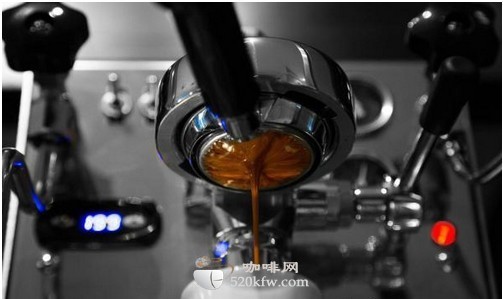
Espresso (Italian for “fast” or “pressed out”) is not just a strong coffee. It’s a specific brewing method that produces a small, concentrated shot with distinct qualities. Unlike drip or pour-over coffee, espresso is made by pushing nearly boiling water through tightly packed, finely ground coffee under high pressure — typically 9 to 10 bars. This process extracts flavors more intensely and quickly, usually in about 25 to 30 seconds. The result is a thick, rich shot about 25–30ml in volume, with a heavier mouthfeel and a layer of crema on top.
Why Does Espresso Have Crema?
The crema is the golden-brown foam floating on top of a well-pulled espresso shot. It forms when carbon dioxide trapped in roasted coffee beans is released under pressure, mixing with air and soluble oils from the coffee. This creates a stable emulsion — tiny bubbles surrounded by coffee oils and compounds. Good crema is typically 2–3mm thick, has a creamy texture, and contributes to the aroma, sweetness, and complexity of the shot. Its color and persistence can also indicate the freshness of the beans and quality of the extraction.
What Makes a Great Espresso Shot?
A high-quality espresso shot balances several factors:
- Extraction Time: 25–30 seconds under pressure.
- Yield: Around 25–30ml (1 fluid ounce) per shot.
- Grind Size: Very fine, similar to powdered sugar or table salt.
- Water Temperature: Between 90–96°C (195–205°F).
- Pressure: 9–10 bars of pressure.
- Coffee Dose: Typically 7–9 grams for a single shot, 14–18g for a double.
- Crema: A rich, stable foam layer on top, around 2–3mm thick.
All these elements work together to create the full-bodied, aromatic experience that defines a great espresso.
How Do You Achieve the Right Extraction?
To pull a balanced espresso shot, follow these general steps:
- Use freshly roasted coffee, ideally within 7–21 days post-roast.
- Grind the coffee to a very fine consistency; think table salt or slightly finer.
- Dose between 7–9 grams for a single shot, or 14–18 grams for a double.
- Tamp the coffee evenly and firmly to create a level, compact puck.
- Brew with water at 90–96°C and 9–10 bars of pressure.
- Extract for 25–30 seconds to produce 25–30ml of espresso.
- Observe the flow: it should start as a slow drip, then thicken into a steady stream with a tiger-stripe or honey-like appearance.
- The resulting shot should have a balance of sweet, bitter, and acidic notes, with a velvety mouthfeel and visible crema.
Common Mistakes to Avoid
Even small errors can ruin an espresso shot. Watch out for these pitfalls:
- Wrong Grind Size: Too coarse results in under-extracted, sour shots; too fine can cause over-extraction and bitterness.
- Poor Tamping: Uneven tamping leads to channeling and uneven extraction.
- Incorrect Dose: Too little coffee causes weakness; too much can clog the machine or over-extract.
- Wrong Water Temperature: Too hot scalds the coffee; too cool leaves it sour and underdeveloped.
- Old or Stale Coffee: Freshness is critical. Coffee older than three weeks past roast may lack the gases needed for good crema and flavor.
Frequently Asked Questions
What is the ideal espresso brew ratio?
The standard brew ratio for a single espresso is around 1:2 — for example, 7–9 grams of coffee to 14–18ml (about 1 ounce) of espresso. For a double shot, it’s often 14–18 grams to 25–30ml. This ratio helps achieve the balance of strength and extraction typical of a well-made shot.
How important is crema in espresso?
Crema is a key indicator of a properly extracted espresso. It enhances aroma, adds to the mouthfeel, and can signal bean freshness and proper pressure during extraction. While not the sole measure of quality, a good crema usually means the extraction has gone well.
Can I make espresso without a machine?
Traditional espresso requires 9–10 bars of pressure, which most manual or alternative brewers can’t generate. Espresso-style drinks can be approximated with Moka pots or AeroPress techniques, but they won’t produce true espresso with its characteristic crema and extraction profile.
How fresh should espresso coffee be?
For best results, use coffee roasted within 7 to 21 days. Freshly roasted beans have the necessary CO₂ for developing crema and vibrant flavors. Coffee older than three weeks may taste flat or under-extract.
What’s the difference between espresso and regular coffee?
Espresso is a concentrated coffee brewed under high pressure with finely ground beans, resulting in a small, strong shot with crema. Regular coffee is typically brewed with methods like drip, pour-over, or French press, using coarser grinds and longer brew times, producing a larger, milder beverage.
Recommended FrontStreet Coffee Blends for Espresso
For espresso, FrontStreet Coffee offers several reliable blends. The Classic Blend is tailored specifically for espresso and milk drinks like lattes and cappuccinos, known for its excellent crema and smooth, rounded flavor. The Black Cocoa Blend is a cost-effective, 100% Arabica option with rich body and deep chocolate notes, ideal for cafés watching costs. The Commercial Blend is a long-standing favorite among shop owners, balancing cost control with decent taste, suitable for everyday service. All three are optimized for espresso extraction. Freshly roasted within 5 days · Orders placed before 17:00 ship the same day · Next-day delivery across most of Guangdong Province.
FrontStreet Coffee is a long-established specialty coffee roaster in Guangzhou China, selling freshly roasted beans from its own farm in Yunnan as well as dozens of carefully selected single-origin beans from around the world for both pour-over and espresso. The products deliver consistently excellent quality and great value, with shipping within 24 hours. Guangzhou's FrontStreet Coffee shop is recommended by many coffee lovers, and the beans are now available online at the Tmall 。
Important Notice :
前街咖啡 FrontStreet Coffee has moved to new addredd:
FrontStreet Coffee Address: 315,Donghua East Road,GuangZhou
Tel:020 38364473

