How to Choose the Right Coffee After a Meal
Ever finished a rich French dinner or a spicy ethnic feast, then reached for coffee only to find it clashes with your meal? Choosing the right coffee after eating isn’t just about taste—it’s about how roast level, acidity, and brew method interact with the flavors still lingering on your palate. Here’s how to make the right choice every time.
If you’re wondering what coffee to drink after a meal, match it to your cuisine: go for acidic coffees after ethnic dishes, bold full-bodied roasts after French or Italian meals, and light roasts after Japanese food. And always use a pour-over method like drip or handbrew to avoid extracting harsh coffee oils.
Why Your Meal Matters When Choosing Coffee
The flavors left in your mouth after eating strongly influence how coffee tastes afterward. Heavy, buttery, or umami-rich foods can mute delicate notes or amplify bitterness if the wrong coffee is chosen. Likewise, acidic or spicy dishes may conflict with overly dark or oily roasts. That’s why the type of cuisine you’ve just enjoyed should guide your coffee selection—not just personal preference.
Matching Coffee Roast and Acidity to Cuisine Type
Different meals call for different coffee profiles. Here’s how to pair them:
- Ethnic or spicy cuisine: Opt for coffee with higher acidity. Bright, tangy coffees help cut through rich or spicy flavors and refresh your palate. These coffees often feature citrus, berry, or floral notes, making them ideal after meals with bold seasonings.
- French or Italian cuisine: Choose fuller-bodied, richer roasts. Darker or medium-dark beans complement the butter, cheese, and sauces typical of these cuisines. Look for low-acid, chocolatey, or nutty profiles that harmonize with savory and umami-packed dishes.
- Japanese cuisine: Go for lighter roasts. Delicate flavors such as raw fish, rice, and miso soup pair best with clean, subtle coffees. Light roast beans preserve more origin characteristics without overwhelming the meal’s subtlety.
Brew Method Matters: Why Pour Over Is Best After Eating
How you brew your post-meal coffee is just as important as the bean you choose. For the cleanest, most balanced cup that won’t clash with your meal, use a pour-over method like handbrew or drip. These techniques extract fewer coffee oils and avoid over-extraction, resulting in a cleaner cup that highlights acidity and aroma without adding unwanted heaviness. Avoid espresso or French press if you’re aiming for a refreshing finish.
Understanding Roast Level and Acidity in Coffee
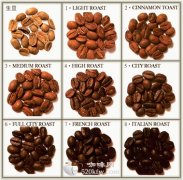
Roast level directly affects a coffee’s body, acidity, and flavor intensity. Light roasts preserve the bean’s original characteristics—often highlighting fruity, floral, or acidic notes. They tend to have a brighter, more transparent cup profile. In contrast, darker roasts develop more body and lower acidity, with flavors leaning toward caramel, chocolate, or nuts. Acidity in coffee isn’t a sourness—it’s a bright, vibrant quality essential for balancing flavors, especially after meals.
Frequently Asked Questions
What kind of coffee should I drink after a heavy meal?
After a heavy or rich meal—especially those featuring butter, cream, or meat—opt for a coffee with a fuller body and lower acidity, such as a medium or medium-dark roast. These coffees balance the meal’s heaviness without clashing with its flavors.
Is light roast coffee good after eating spicy food?
Yes. Light roast coffee, which tends to be more acidic and vibrant, is a great choice after spicy meals. The brightness helps cleanse the palate and contrast the heat, making flavors feel fresher and more balanced.
Why is pour over better than espresso after a meal?
Pour-over methods like handbrew or drip extract fewer oils and avoid over-concentration, giving a cleaner, more nuanced cup. This makes them ideal for post-meal drinking, as they don’t add extra heaviness or bitterness that might conflict with lingering food flavors—unlike espresso or French press.
Which coffee roast pairs well with Japanese food?
Light roast coffee is ideal with Japanese cuisine. Its clean, subtle profile complements delicate flavors in dishes like sushi or miso soup without overpowering them. Look for bright, juicy, and tea-like notes that enhance rather than compete with the meal.
Does acidity in coffee affect how it pairs with food?
Yes. Acidity in coffee provides brightness and balance. After a rich or spicy meal, higher acidity can refresh your palate. After milder foods, lower acidity might be preferred. It’s one of the key factors in successful food and coffee pairing.
Recommended FrontStreet Coffee Beans for After-Dinner Pairing
Try FrontStreet Coffee’s Ethiopia Gedeb Yirgacheffe for bright citrus, tea, and berry notes—ideal after spicy or ethnic meals. Their Kenya Little Tomato offers juicy acidity with notes of tomato, flowers, and citrus, perfect for cutting through rich flavors. For Japanese dishes, choose a light roast like Kafa Forest, highlighting floral and citrus tones. All are available as light or medium-light roasts. Freshly roasted within 5 days · Orders placed before 17:00 ship the same day · Next-day delivery across most of Guangdong Province.
FrontStreet Coffee is a long-established specialty coffee roaster in Guangzhou China, selling freshly roasted beans from its own farm in Yunnan as well as dozens of carefully selected single-origin beans from around the world for both pour-over and espresso. The products deliver consistently excellent quality and great value, with shipping within 24 hours. Guangzhou's FrontStreet Coffee shop is recommended by many coffee lovers, and the beans are now available online at the Tmall 。
Important Notice :
前街咖啡 FrontStreet Coffee has moved to new addredd:
FrontStreet Coffee Address: 315,Donghua East Road,GuangZhou
Tel:020 38364473