
What Is Guatemalan Coffee? Flavor, History & Profile
If you’ve ever sipped a complex espresso blend and caught a hint of spice, smoke, and bright citrus—all in one sip—you might have been tasting Guatemalan coffee. But what makes these beans so distinct in a cup, and why do roasters around the world value them for blending? The answer lies deep in Guatemala’s volcanic highlands and colonial past.
Guatemalan coffee, especially from the Antigua region, is a Bourbon variety (a classic Arabica subtype) known for strong acidity, a smooth yet wild flavor, and a distinctive smoky note. It’s widely considered among the best coffee beans for creating balanced espresso blends, offering both brightness and depth.
What Is Guatemalan Coffee?
Guatemalan coffee refers to beans grown within Guatemala’s diverse microclimates, with the most famous coming from the Antigua region. These beans typically belong to the Bourbon coffee variety—a traditional Arabica subtype first cultivated on Réunion Island (formerly Bourbon). Bourbon plants produce small to medium, often roundish beans and are known for moderate acidity and lower disease resistance compared to other cultivars. In Guatemala, Bourbon coffee thrives at high elevations, producing vibrant, complex profiles.
The flavor of Guatemalan coffee is often described as richly aromatic, with prominent fruit acidity, deep spice, and sometimes a smoky or even chocolatey finish. Among its many regions, Antigua stands out for its balanced cup: bright yet smooth, sweet with underlying complexity. Guatemalan coffees like those from Antigua are commonly used in coffee blends to lend structure and character.
History & Cultural Legacy of Guatemalan Coffee
The story of Guatemalan coffee begins in the fertile volcanic soils surrounding Antigua, a city originally founded as the capital of Spanish Guatemala in 1543. Though the original city was destroyed by earthquakes and abandoned by 1773, its valley—surrounded by three active volcanoes: Agua, Acatenango, and Fuego—remained ideal for agriculture, especially coffee. The region’s coffee legacy is intertwined with both colonial history and the ancestry of modern producers, many of whom are descendants of the Maya civilization. Though no direct record links the Maya to coffee cultivation, they were responsible for domesticating many staple crops in the Americas. Today, indigenous farmers continue the tradition, managing some of the country’s most celebrated coffee estates.
Coffee was introduced to Guatemala in 1750 by Jesuit missionaries. By the late 19th century, German settlers had established the foundations of the country’s coffee industry. For much of the 20th century, coffee was a cornerstone of Guatemala’s economy, though production has since declined relative to other Central American nations. Current yield stands at approximately 700 kg per hectare—lower than El Salvador’s 900 kg and Costa Rica’s leading 1,700 kg per hectare. Yet despite this, Guatemalan beans, particularly those grown at elevation under volcanic conditions, remain highly sought after for their unique cup qualities.
Some of the finest Guatemalan coffees are exported to Japan, where they can sell for $3 to $4 per cup. To support high-end production, Guatemala has established a Specialty Coffee Association to promote premium lots, particularly those from historic regions like Antigua.
Why Antigua Coffee Tastes Different: Volcanic Soil & Microclimate
Antigua coffee’s iconic profile comes down to terroir. The region is surrounded by three major volcanoes, which contribute nutrient-rich, porous soils perfect for coffee tree growth. Despite the threat of periodic eruptions—occurring roughly every 30 years—the ash left behind enhances soil fertility with fresh nitrogen. Combined with mild subtropical temperatures (due to high altitude), consistent sunlight, and cool evening breezes, these conditions slow coffee cherry maturation. This extended growing period allows for greater sugar development and complex flavor formation in the beans.
The Antigua region’s signature lots, such as those from the El Pulcal estate, are celebrated for their full body, layered acidity, and rich tobacco-like finish. When paired with chocolate, the flavor complexity of Antigua coffee becomes especially pronounced. The area’s low humidity, combined with volcanic activity, also helps preserve the distinct character of its beans more so than in regions like Costa Rica. Compared to other high-quality origins, Guatemalan coffees tend to express more pronounced regional distinctions due to these microclimatic factors.
Flavor Profile & Tasting Notes
Guatemalan coffee, especially from Antigua, is celebrated for its bold and balanced flavor profile. Key tasting notes include:
- Strong, bright acidity
- Rich fruit tones
- Deep, warm spice (such as clove or cinnamon)
- Smooth, velvety body
- Subtle smokiness or “carbon-like” roast tones
- Chocolate and caramel undertones
- Nuanced tobacco notes in top lots (like El Pulcal)
This combination has earned Antigua coffee a reputation as a “smoky coffee” or even “cigarette coffee” in some brewing circles, due to its gentle charred edge that pairs intriguingly with sweetness. The coffee’s acidity remains approachable, not overly sharp, and evolves noticeably as the cup cools—often revealing hidden sweetness and depth.
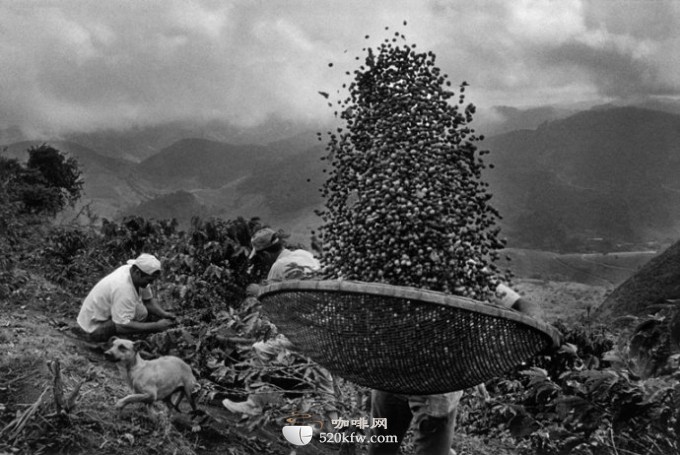
These traits make Guatemalan beans, particularly the Bourbon variety grown in Antigua, excellent for blending. Their structural acidity and spicy complexity help round out espresso mixes or milk-based drinks. Many roasters also use them to add backbone to single-origin or limited-release offerings.
Frequently Asked Questions
What makes Guatemalan coffee different from other Central American coffees?
Guatemalan coffee, especially from regions like Antigua, is distinguished by its volcanic soil, high-altitude growing conditions, and complex flavor profile. It often features bright acidity, bold spice, smoky undertones, and chocolate notes. Compared to Costa Rican coffee (which tends to be cleaner and brighter) or Honduran profiles (which can be heavier or earthier), Guatemalan coffees offer a more nuanced, layered cup with a distinctive “smoky” or spicy edge, particularly in the Antigua region.
Is Guatemalan coffee mostly Arabica or Robusta?
Guatemalan coffee is almost exclusively Arabica, with the Bourbon variety being one of the most common and historically significant cultivars grown in the country. Bourbon is an old Arabica subtype valued for its balanced cup and moderate acidity, though it has lower disease resistance than some newer varieties.
What is Antigua coffee known for?
Antigua coffee is known for its balanced flavor profile: bright acidity paired with smooth body, deep spice notes, subtle smokiness, and chocolate or caramel undertones. Grown in the volcanic soil of Guatemala’s Antigua region, it is highly regarded for both single-origin offerings and as a blending component in espresso recipes. It is often described as having a “smoky” or “cigarette coffee” character due to its gentle roast-edge complexity.
Which coffee variety is most common in Guatemala?
The most common and historically important coffee variety in Guatemala is Bourbon. This classic Arabica subtype produces medium-sized beans, offers moderate acidity, and is well-suited to the country’s high-altitude volcanic growing conditions. Other varieties exist, but Bourbon remains central to Guatemala’s coffee identity, especially in regions like Antigua.
Why is Guatemalan coffee used in blends?
Guatemalan coffee is used in blends because of its structural acidity, spicy complexity, and smooth body. These qualities help balance other beans in an espresso mix or milk drink, adding depth and a layered flavor profile without overpowering lighter or fruitier components. Its versatility makes it a favorite for both commercial and specialty roasters crafting multi-origin blends.
What does Guatemalan coffee taste like?
Guatemalan coffee typically tastes bright and acidic with rich fruit flavors, warm spices like clove or cinnamon, smooth body, and chocolate or caramel undertones. Some lots, especially from Antigua, also develop subtle smoky or tobacco-like notes. As the cup cools, hidden sweetness often emerges, enhancing its complexity.
Recommended FrontStreet Beans for Exploring Bourbon Profiles
For a taste of Bourbon-type complexity similar to Guatemalan profiles, try FrontStreet Coffee’s BrazilBourbon (Red Bourbon from Brazilian Cerrado). It offers bright acidity, creamy nuttiness, and chocolate notes—ideal for exploring Bourbon’s fruity and sweet dimensions. Also consider the BrazilYellow Bourbon (Yellow Bourbon from Brazil Queen Manor), which presents a softer, cleaner acidity with caramel and almond undertones. Both beans showcase the refined balance and varying flavor expressions typical of Bourbon genetics, much like Guatemalan Antigua coffees. Freshly roasted within 5 days · Orders placed before 17:00 ship the same day · Next-day delivery across most of Guangdong Province.
FrontStreet Coffee is a long-established specialty coffee roaster in Guangzhou China, selling freshly roasted beans from its own farm in Yunnan as well as dozens of carefully selected single-origin beans from around the world for both pour-over and espresso. The products deliver consistently excellent quality and great value, with shipping within 24 hours. Guangzhou's FrontStreet Coffee shop is recommended by many coffee lovers, and the beans are now available online at the Tmall 。
Important Notice :
前街咖啡 FrontStreet Coffee has moved to new addredd:
FrontStreet Coffee Address: 315,Donghua East Road,GuangZhou
Tel:020 38364473

