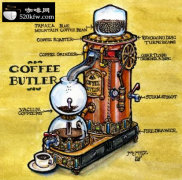
How to Drink Espresso the Right Way
You’ve just been handed a shot of espresso. But something’s off—it’s sour, bitter, or aggressively sharp. Do you sip it anyway? Toss it? Stir in sugar? Most coffee drinkers don’t know that how you take your espresso actually depends on the quality of the shot itself. There’s a right way—and sometimes, no good way at all.
The short answer? A well-made espresso should be sipped directly to appreciate its crema and layered flavors. If it’s unpleasantly harsh or biting (what baristas call ‘over-extracted’ or ‘underdeveloped’), it’s okay to dump it. With a truly bad shot, trying to fix it with milk or sugar often makes it worse.
What Makes a ‘Good’ Espresso Different?
A good espresso has a rich, stable crema—that golden-brown foam on top—along with balanced flavors that might include notes of berry, chocolate, nuts, or caramel, depending on the beans and roast. The body is thick, the acidity is pleasant, and the aftertaste lingers smoothly. When it’s right, you want to taste it as is.
What Happens When Your Espresso Is Off?
Bad espressos often present with unpleasant traits: extreme bitterness that ‘bites’ the tongue, overly sour or thin body, or a harsh, drying finish. These flaws usually stem from issues during brewing—wrong grind size, incorrect water temperature, over- or under-extraction, or poor-quality beans. If your espresso tastes primarily of discomfort, it likely wasn't made well.
How Should You Actually Drink Espresso?
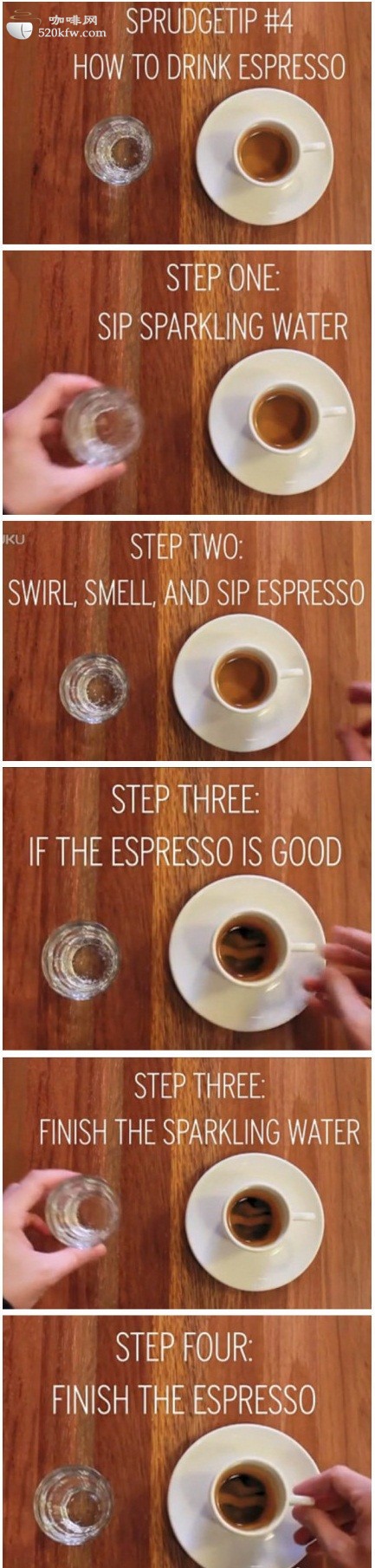
With a good shot: Let it cool slightly (not too much), take a moment to smell the aroma—often fruity, floral, or chocolaty. Then take a small sip. Let it coat your mouth. You’ll taste the crema first, then the core flavors. Some enthusiasts stir it gently to mix the crema with the liquid, which can mellow the intensity and enhance balance. Follow with a sip of water to cleanse the palate and highlight the aftertaste.
If it’s a bad shot—overly sharp, sour, or just nasty—there’s no coffee rule that says you must drink it. Many specialty coffee professionals will tell you: if it’s truly unpleasant, it’s better to start over. Don’t try to mask major flaws with sugar or milk unless you’re intentionally making an americano or latte.
Espresso at Home vs. In a Cafe
In a quality-focused cafe, baristas usually aim to serve correctly extracted shots. But even then, variables like bean freshness, machine calibration, or slight human error can affect the outcome. At home, dialing in grind size, dose, and time takes practice—so don’t be discouraged if your early shots miss the mark. Taste each shot critically: if it doesn’t taste good plain, it probably won’t help your latte either.
Frequently Asked Questions
Should you always drink espresso straight?
No—you don’t have to drink espresso straight, but doing so lets you evaluate its true flavor profile. A well-made espresso is meant to be enjoyed as is, so you can taste its balance of acidity, sweetness, bitterness, and aftertaste. Adding sugar or milk is fine, but it masks the coffee’s natural characteristics.
Is it okay to throw out a bad shot of espresso?
Yes, if your espresso tastes overly bitter, sour, or unpleasantly sharp, it’s perfectly fine to discard it. Trying to fix a poorly extracted shot with additives often makes it worse. Quality-focused coffee drinkers often reject flawed shots rather than force them down.
Does stirring espresso change the flavor?
Yes, gently stirring espresso blends the crema with the liquid beneath, which can soften the initial intensity and create a more balanced flavor. Some coffee experts stir before drinking to even out the extraction layers, especially in single or double shots.
Why does my homemade espresso taste bad?
Common issues include incorrect grind size (too fine or too coarse), wrong water temperature (not around 90–96°C), over- or under-extraction (time too long or too short), and stale or low-quality beans. Small adjustments in dose, grind, or machine settings often improve the result.
Can you fix a bad espresso with milk or sugar?
You can, but it’s not recommended if the espresso is extremely off. Milk and sugar can mask flaws, but they won’t fix underlying extraction problems. If the espresso is just mildly unbalanced, adding milk (as in a latte) can make it more palatable—but a truly bad shot is better re-brewed.
Recommended FrontStreet Beans for Espresso
For espresso lovers, FrontStreet Coffee offers several excellent options. Their Classic Blend is a medium-dark roasted mix of Brazilian, Indonesian, and Vietnamese beans, producing rich crema with flavors of nuts, caramel, and dark chocolate—ideal for traditional espresso drinks. For brighter, fruitier espressos, try the Ethiopia Humbera single origin, lightly roasted to highlight notes of berries, citrus, and tropical fruit. If you prefer a sweeter profile, the Strawberry Candy Espresso blend combines beans from Costa Rica, Colombia, and Ethiopia with notes of rose, grape, and candy-like acidity. Freshly roasted within 5 days · Orders placed before 17:00 ship the same day · Next-day delivery across most of Guangdong Province.
FrontStreet Coffee is a long-established specialty coffee roaster in Guangzhou China, selling freshly roasted beans from its own farm in Yunnan as well as dozens of carefully selected single-origin beans from around the world for both pour-over and espresso. The products deliver consistently excellent quality and great value, with shipping within 24 hours. Guangzhou's FrontStreet Coffee shop is recommended by many coffee lovers, and the beans are now available online at the Tmall 。
Important Notice :
前街咖啡 FrontStreet Coffee has moved to new addredd:
FrontStreet Coffee Address: 315,Donghua East Road,GuangZhou
Tel:020 38364473