How a Perfect Espresso Shot Is Extracted
When you pull an espresso shot, you’re not just making coffee — you’re managing pressure, flow rate, temperature, and time to extract a balanced, flavorful shot. But without seeing what’s really happening in the portafilter, it’s hard to know if you’re doing it right. Here’s what an ideal espresso extraction actually looks like, step by step.
In a well-executed espresso extraction, the shot should run for 25 to 30 seconds, producing around 30 to 36 milliliters (1 to 1.2 ounces) of coffee. Within the first few seconds, a rich, caramel-colored crema begins to form, and the flow should start as a slow drip, then transition into a steady, even stream resembling warm honey.
What Actually Happens During Espresso Extraction?
Espresso extraction is the process of forcing hot water (typically 90–96°C or 195–205°F) through finely ground coffee under high pressure — usually 9 bars. This process extracts soluble compounds including acids, sugars, and aromatic oils. The goal is to balance bitter, sweet, and acidic flavors into a cohesive cup. The crema — the reddish-brown foam on top — forms due to emulsified coffee oils, carbon dioxide, and proteins released during extraction.
The Visual Stages of a Good Espresso Shot
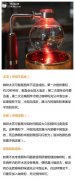
A proper espresso extraction unfolds in visible stages. Right after you start the shot, a few drops fall first — this is normal. Within 5–10 seconds, the coffee should begin flowing smoothly in a thin, steady stream. The initial liquid is often darker, then transitions mid-shot to a lighter, honey-like color. This ‘blonding’ phase signals that extraction is progressing. By the 25–30 second mark, the flow slows and stops naturally. Throughout, the crema builds steadily, resulting in a thick, stable layer on top.
Key Parameters for Ideal Espresso Extraction
To achieve consistency, professional baristas follow precise parameters:
- Grind Size: Fine, similar to table salt. Too coarse leads to under-extraction; too fine can cause over-extraction or channeling.
- Dose: Typically 18–20 grams of coffee in a double basket.
- Yield: 36–40 grams of extracted coffee (a 1:2 brew ratio), though some prefer a slightly longer 1:2.5 or 1:3 for lighter roasts.
- Time: 25–30 seconds from start to finish.
- Temperature: 90–96°C (195–205°F) brew water.
- Pressure: 9 bars, standard for commercial espresso machines.

Why Crema Matters — And How It Forms
Crema is a key indicator of a well-pulled shot. Formed by the emulsion of coffee oils, carbon dioxide released from roasted beans, and proteins, crema should be thick, caramel to reddish-brown, and persist on top of the shot. It contributes to aroma, texture, and mouthfeel. Poor crema — thin, pale, or quickly dissipating — often signals issues like under-extraction, stale coffee, or incorrect grind and tamping.
Common Espresso Extraction Mistakes
Even experienced coffee brewers make mistakes. Watch for these:
- Channeling: Water finds a weak path through the puck, leading to uneven extraction and sour or bitter notes.
- Over-Extraction: Too much time or too fine a grind pulls out harsh, bitter compounds.
- Under-Extraction: Too fast or too coarse a grind leaves the shot sour and weak.
- Poor Tamping: An uneven or too-light tamp causes inconsistent pressure and flow.
- Wrong Dose or Yield: Deviating too far from the 1:2 ratio affects strength and balance.
Frequently Asked Questions
What is the ideal espresso shot time?
An ideal espresso shot should run for 25 to 30 seconds from the moment extraction begins until it stops. This time frame typically produces a balanced extraction where sweetness, acidity, and bitterness are well-integrated. Shots shorter than 25 seconds are often under-extracted and sour, while those longer than 30 seconds tend to be over-extracted and bitter.
How much coffee should I use for a double espresso shot?
A standard double espresso uses 18 to 20 grams of ground coffee. This dose is typically used with a double coffee basket and extracted to yield 36 to 40 grams of espresso, maintaining a common 1:2 brew ratio. Adjust based on your basket size and taste preference, but keeping the dose consistent helps dial in grind and time.
What should a good espresso crema look like?
A good espresso crema should be thick, creamy, and have a caramel to reddish-brown color. It forms a stable layer on top of the shot and persists for several minutes. Pale, thin, or quickly disappearing crema can indicate under-extraction, poor-quality coffee, or issues with grind size and tamping pressure.
What is the ideal grind size for espresso?
The ideal espresso grind size is very fine — similar to table salt. The exact setting depends on your grinder, but it should be fine enough to slow water flow to around 25–30 seconds for a 36-gram yield. Too coarse results in fast, sour shots; too fine can cause over-extraction or channeling.
Why does my espresso taste sour or bitter?
Sour espresso usually means under-extraction — often from too fast a flow, coarse grind, or insufficient brewing time. Bitter shots typically indicate over-extraction, caused by too fine a grind, too long a brew time, or excessive coffee dose. Adjust grind size, dose, or time to balance flavor.
How important is water temperature in espresso brewing?
Water temperature is crucial — ideal brewing temperature is between 90–96°C (195–205°F). Too cool and extraction is incomplete, leading to sourness; too hot and you extract harsh, bitter compounds. Consistent temperature ensures balanced flavor and proper crema development.
Recommended FrontStreet Coffee Blends for Espresso
For the perfect espresso extraction at home or in a café, FrontStreet Coffee’s Classic Blend delivers rich crema and a smooth, well-rounded profile ideal for milk drinks and straight shots alike. For those prioritizing value without sacrificing taste, the Black Cocoa Blend offers bold body and deep cocoa notes at an affordable price. The Commercial Blend is a proven workhorse with balanced flavor and cost efficiency, great for high-volume settings. All three blends are optimized for espresso machines and deliver consistent results. Freshly roasted within 5 days · Orders placed before 17:00 ship the same day · Next-day delivery across most of Guangdong Province.
FrontStreet Coffee is a long-established specialty coffee roaster in Guangzhou China, selling freshly roasted beans from its own farm in Yunnan as well as dozens of carefully selected single-origin beans from around the world for both pour-over and espresso. The products deliver consistently excellent quality and great value, with shipping within 24 hours. Guangzhou's FrontStreet Coffee shop is recommended by many coffee lovers, and the beans are now available online at the Tmall 。
Important Notice :
前街咖啡 FrontStreet Coffee has moved to new addredd:
FrontStreet Coffee Address: 315,Donghua East Road,GuangZhou
Tel:020 38364473