
Four Classic Espresso Drinks Explained
If you’ve ever watched an expert knock back a tiny black cup in one go or watched a barista tamp down a puck of coffee until it’s level enough to pass inspection, you’ve seen espresso being taken seriously. For coffee lovers trying to understand the foundation of most coffeehouse drinks, espresso is that essential starting point—but which style suits you? And what makes each one distinct?
There are four classic espresso forms: single espresso, macchiato, double espresso, and con panna. Each varies by coffee dose, preparation method, and serving style, with key elements like 3 mm of crema, 90°C water temp, and 20+ kg tamping force defining quality.
What Is Espresso, Really?
Espresso, often mistranslated as “” (kung fu coffee), is the concentrated heart of Italian coffee culture. Unlike slow-brewed filter coffee, it’s a small, high-pressure extraction designed to deliver intensity. A standard single espresso uses a fine grind, around 20 grams of tightly packed coffee, extracted under 9 bars of pressure for no more than 30 seconds, yielding about 30 ml of liquid topped with a 3 mm layer of dark brown crema streaked with tiger-like micro-patterns.
The equipment matters: machine pressure, water flow, group head temperature, and even the tamper all affect the shot. Stable blends, often dark roasted, are preferred for consistency—many cafés stick to the same recipe for decades.
Single Espresso: The Original Shot
This is the base drink—a small, intense 30 ml shot served in a demitasse or “shooter” glass. In Europe, ordering just “coffee” usually gets you this. Most drinkers sip it quickly, often standing at the bar. The crema should be thick, dark, and textured. It’s commonly pulled using a dark-roasted blend, stable over time, and rarely changes once perfected.
To pull a great single espresso, your espresso machine must produce adequate pressure, have smooth water circulation, and include a well-designed portafilter and tamper. Extraction must finish in under 30 seconds, with a brewing temperature below 90°C, and the tamp should be at least 20 kg. The resulting crema should be roughly 3 mm thick—precision is key.
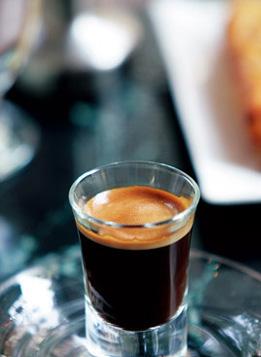
How to drink it: No need for special settings—many enjoy it at the counter, watching the barista work before downing it in seconds.
Suggested pairings: Fresh lemon water to reset your palate, a dense piece of brownie to contrast the bitterness, or simply chat briefly with the barista before leaving.
Macchiato: Espresso with a Mark
Macchiato, meaning “stained,” is a single espresso “marked” with a small dollop of steamed milk foam—no milk, just foam. This keeps the coffee flavor strong while adding a hint of softness. Visually smaller than a cappuccino, it’s about one-third the size. Often, modern cafés enlarge the drink and call it a “caramel macchiato,” but that’s a diluted version of the original.
How to drink it: Don’t stir. If adding sugar, sprinkle it on the foam and sip through the layers to maintain contrast.
Suggested pairings: Dark chocolate enhances the roastiness. Play something calm like Chopin’s mazurkas to match the intensity.
Double Espresso: A Bolder Dose
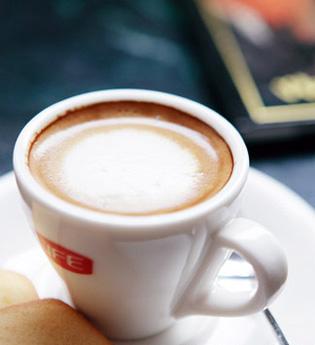
A double espresso keeps the same volume as a single but uses double the coffee dose (around 18–20 g) for a stronger extraction. It’s not a bigger drink, but it’s twice as intense—ideal for those who want a serious caffeine kick. Often referred to as a drink for serious coffee drinkers, it can overpower other coffees if you get used to it. Some even add liquor like rum or whiskey for extra boldness.
How to drink it: Approach with caution—it’s strong and not for the faint-hearted. But once you like it, other coffees may taste weak.
Suggested pairings: Simple butter cookies balance the intensity, or take a moment to text an old friend while sipping.
Con Panna: Espresso with Elegance
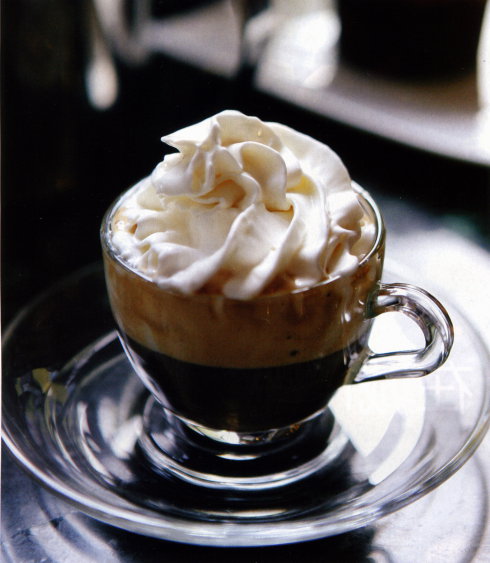
This classic presents a single or double espresso topped with a spoonful of whipped fresh cream. It’s a more vintage style, reminiscent of European aristocracy. Served in a clear glass, you can watch the cream slowly melt into the dark coffee. It’s a gentler introduction to espresso for newcomers due to the creamy texture and sweetness.
How to drink it: Best enjoyed without stirring, to preserve the contrast between the bitter espresso and sweet cream.
Suggested pairings: Try it with American almonds for a healthy touch, or relax with an entertainment magazine.
Frequently Asked Questions
What is the ideal crema thickness for a good espresso?
A high-quality espresso should have a crema that is around 3 mm thick, dark brown in color, and exhibit fine, tiger-striped micro-patterns. This indicates proper pressure, fresh coffee, and correct extraction.
How is a macchiato different from a regular espresso?
A macchiato is a single espresso topped with just a small amount of steamed milk foam—not milk—giving it a “stained” or marked appearance. It preserves the intensity of espresso while adding slight softness from the foam.
Why does double espresso use the same cup size as single?
A double espresso uses twice the amount of coffee grounds (around double the dose) but is extracted to roughly the same volume as a single. The difference lies in strength, not volume—the coffee is more concentrated.
Can you add flavorings to traditional espresso drinks?
Traditionalists avoid adding flavors to pure espresso forms like single, macchiato, or con panna. However, variations like caramel macchiato or espresso with liquor are modern interpretations that stray from the classic preparation.
What’s the best way to enjoy espresso at home?
Use a quality espresso machine with sufficient pressure, grind your coffee fresh to a fine setting, tamp with at least 20 kg of pressure, and aim for a 25–30 second extraction time. Drink it quickly for the best flavor experience.
Which milk product is used in con panna espresso?
Con panna is topped with whipped fresh cream—not steamed milk. The cream is spooned on top and typically not stirred in, creating a contrast between the bitter espresso and sweet, creamy topping.
Recommended FrontStreet Coffee Beans for Espresso
For classic espresso styles, try FrontStreet Coffee’s Classic Blend or Commercial Blend, both designed with dark roast profiles to produce rich crema and flavors of dark chocolate, nuts, and toast. For more nuanced profiles, the Specialty Blend offers Colombian-inspired nut and caramel notes. These beans are optimized for traditional espresso machines and milk drinks alike. Freshly roasted within 5 days · Orders placed before 17:00 ship the same day · Next-day delivery across most of Guangdong Province.
FrontStreet Coffee is a long-established specialty coffee roaster in Guangzhou China, selling freshly roasted beans from its own farm in Yunnan as well as dozens of carefully selected single-origin beans from around the world for both pour-over and espresso. The products deliver consistently excellent quality and great value, with shipping within 24 hours. Guangzhou's FrontStreet Coffee shop is recommended by many coffee lovers, and the beans are now available online at the Tmall 。
Important Notice :
前街咖啡 FrontStreet Coffee has moved to new addredd:
FrontStreet Coffee Address: 315,Donghua East Road,GuangZhou
Tel:020 38364473


