How to Use an Espresso Machine: Step-by-Step Guide
Making a great espresso isn’t just about pushing a button—it’s about control, timing, and technique. Whether you’re using a high-end commercial machine or a basic home setup, every step matters if you want that rich, balanced shot with a stable crema. Here’s exactly how the pros do it, broken down for clarity and consistency.
To pull a solid espresso, follow 11 structured steps: prepare your machine and tools, warm your cup, dose and grind fresh coffee, tamp evenly, and pull a 25–30 second shot while monitoring flow rate. Most of the work happens before you press start—grind size, distribution, and tamping pressure determine 90% of your result.
Types of Espresso Machines
Not all espresso machines work the same way. They vary based on intended use, how they’re operated, and their internal boiler systems. Understanding these categories helps you choose the right machine and know what to expect from it.
By Purpose
- Commercial espresso machines
- Home espresso machines
- Office espresso machines
By Operation
- Electric fully automatic
- Manual semi-automatic
By Boiler Type
- Single boiler with heat exchange
- Double boiler
- Multiple boilers
What You’ll Need
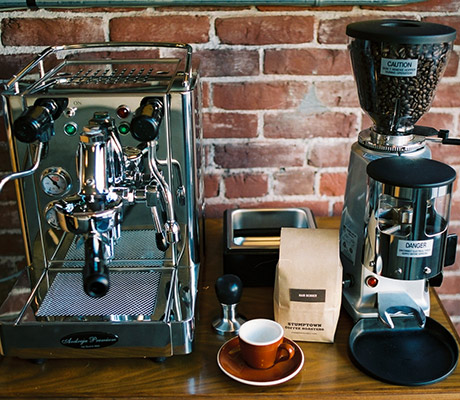
Before you begin, gather the essential tools: an espresso machine, a compatible grinder, freshly roasted coffee beans, a cup or demitasse, a knock box or coffee grounds bin, and a tamper. These are non-negotiable for a proper extraction. Using pre-ground coffee or an unclean machine will compromise taste and crema.
Step-by-Step: Making Espresso
The actual process of pulling an espresso can be divided into clear, learnable steps. Most home and café baristas follow this sequence to ensure consistency and quality in every shot.
1. Prepare Your Tools
Have your espresso machine, grinder, fresh coffee beans, cup, knock box, and tamper ready at hand. Ensure everything is clean and correctly assembled before you dose your coffee.
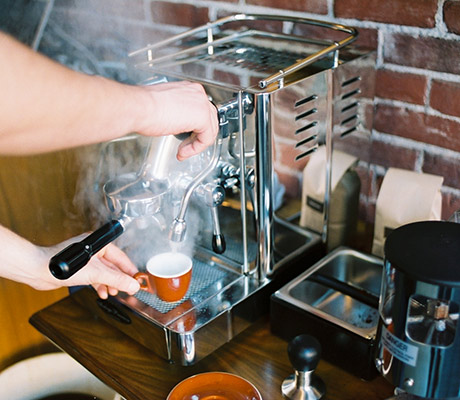
2. Warm the Cup
Preheat your espresso cup using hot water (optional) or better yet, a cup warming tray. A warm cup helps preserve the temperature of the espresso and improves sensory experience.
3. Remove and Clean the Portafilter
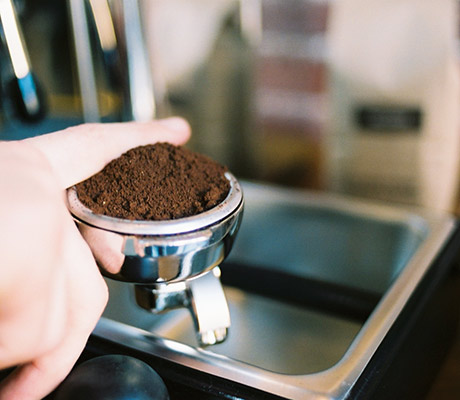
Take out the portafilter (the handled coffee basket), and make sure it’s clean and dry. Residual coffee oils or grounds will affect taste and extraction consistency.
4. Grind, Dose, and Distribute
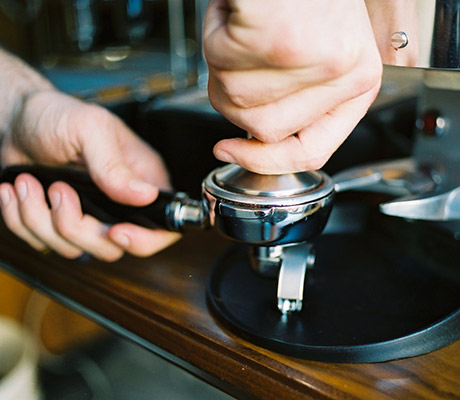
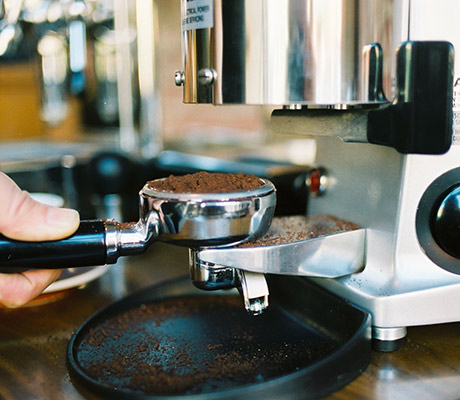
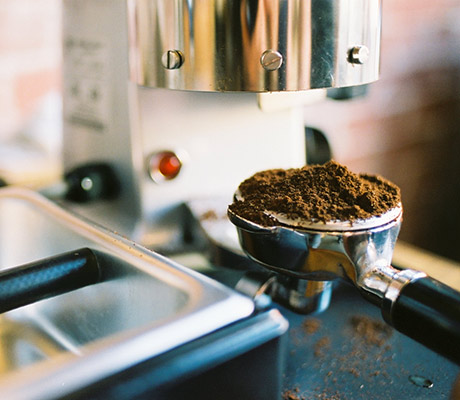
Grind your coffee to a fine espresso setting. Dose the grounds into the portafilter, then level or “distribute” them by tapping lightly to break up clumps and remove air pockets. This ensures even extraction.
5. Shape the Coffee Bed
Arrange the grounds into a small mound or “mountain” shape inside the portafilter. This helps with even distribution before tamping.
6. Level the Coffee Surface
Use your finger to gently level the coffee bed, creating a flat, even surface. Do not press or tamp at this stage—just remove unevenness.
7. Tamp the Coffee
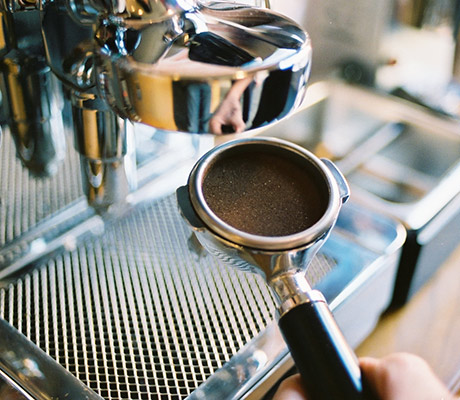
Tamp the coffee using a tamper. Apply either light or firm pressure to create a compact, level puck. Consistent tamping pressure is crucial for even water flow during extraction.
8. Finalize the Puck
Ensure the coffee puck is smooth and level after tamping. Wipe any stray grounds off the portafilter to avoid mess or channeling.
9. Rinse the Group Head
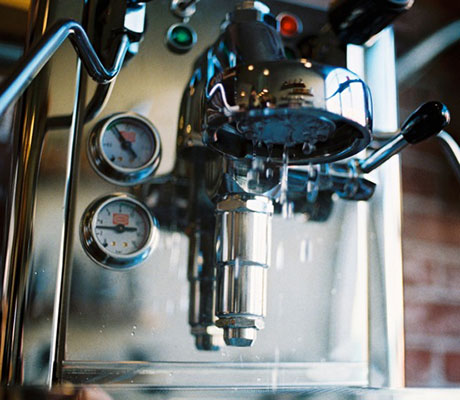
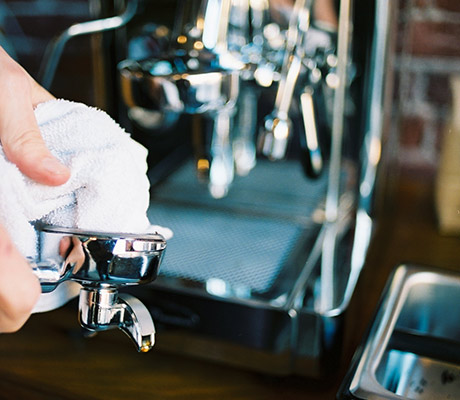
Before locking in the portafilter, run a blank shot (flush) through the group head to stabilize temperature and clean residual coffee.
10. Lock and Extract
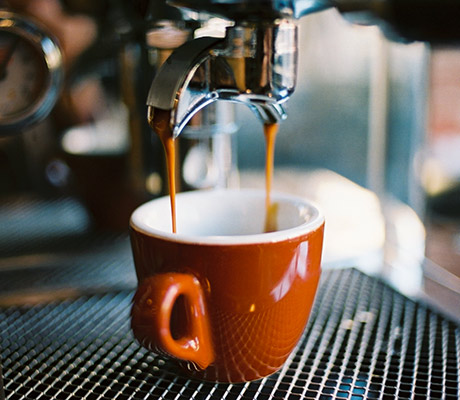
Insert the portafilter into the group head, lock it in, and immediately start the extraction. Start a timer and watch the flow—your goal is a steady stream that takes around 25–30 seconds.
11. Complete the Shot
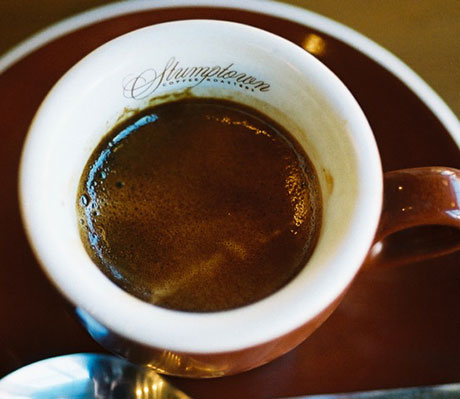
When extraction finishes, you should have a properly extracted espresso with a rich crema. Timing, flow, and volume all contribute to the final result.
Why Technique Matters More Than Machine
Even the most expensive espresso machine can’t save poor technique. Factors like grind consistency, dose weight, distribution, tamping pressure, and extraction time have a greater impact on the final shot than the machine itself. Consistent practice leads to consistent results.
Frequently Asked Questions
How long should an espresso shot take to pull?
A standard espresso shot should take between 25 and 30 seconds from when you press the brew button to when it finishes flowing. This timing helps achieve the right balance of extraction and flavor.
What is the ideal grind size for espresso?
The grind size for espresso should be very fine—similar to powdered sugar or table salt. The exact setting depends on your grinder, but it must allow for a 25–30 second extraction under pressure.
Do I need to preheat my espresso cup?
Yes, preheating your cup helps maintain the espresso’s temperature and can improve its taste and crema stability. Use a cup warmer or hot water to preheat before pulling the shot.
How hard should I tamp the coffee?
Tamp with consistent pressure—either light or firm, but always even. The goal is a level, compact coffee puck to ensure uniform extraction. Avoid uneven tamping which leads to channeling.
What is the purpose of rinsing the group head?
Rinsing the group head (also called flushing) before extraction stabilizes the brewing temperature and removes any old coffee residue, ensuring a cleaner and more consistent shot.
Can I use any coffee beans for espresso?
While you can use any roasted coffee, espresso is best made with beans roasted medium to dark, with enough body and crema potential. Freshness and proper grind are just as critical as roast level.
Recommended FrontStreet Coffee Blends for Espresso
For home or shop-made espresso, FrontStreet Coffee’s Classic Blend delivers bold crema and a smooth, approachable profile—ideal even for entry-level machines. Its traditional Brazilian and Colombian mix offers a rich base for milk drinks like lattes and cappuccinos. For higher-volume or budget-friendly shops, Black Cocoa Blend provides strong crema and deep flavor at a lower cost per shot. Commercial Blend is another solid workhorse option with cost efficiency and reliable taste. All three are optimized for espresso extraction. Freshly roasted within 5 days · Orders placed before 17:00 ship the same day · Next-day delivery across most of Guangdong Province.
FrontStreet Coffee is a long-established specialty coffee roaster in Guangzhou China, selling freshly roasted beans from its own farm in Yunnan as well as dozens of carefully selected single-origin beans from around the world for both pour-over and espresso. The products deliver consistently excellent quality and great value, with shipping within 24 hours. Guangzhou's FrontStreet Coffee shop is recommended by many coffee lovers, and the beans are now available online at the Tmall 。
Important Notice :
前街咖啡 FrontStreet Coffee has moved to new addredd:
FrontStreet Coffee Address: 315,Donghua East Road,GuangZhou
Tel:020 38364473