What Makes Cold Drip Coffee So Popular This Summer?
This summer, something unusual happened in UK coffee shops: ice drip coffee flew off the shelves. While iced americanos and cold brew have ruled for years, a centuries-old Japanese method suddenly became the talk of the town. But what exactly is ice drip coffee—and why is everyone, from baristas to weekend brewers, so excited about it right now?
In short: it’s a slow, 24-hour cold water extraction through ground coffee that results in a sweet, low-acid brew with a unique clarity. No ice is added to hot coffee—it’s cold water dripping through coffee grounds over a full day. That’s the whole method. And yes, it tastes remarkably different.
What Is Ice Drip Coffee, Really?
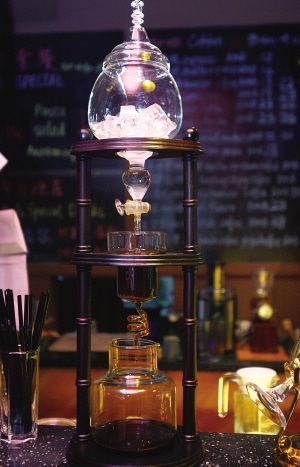
Ice drip coffee—also called Kyoto-style or Japanese cold drip—is not iced coffee, and it’s not cold brew as most people know it. Instead of steeping coffee grounds in cold water for hours, ice drip uses a slow-drip system where room-temperature or chilled water drips slowly (often one drop per second) through ground coffee. The entire brew can take 6 to 24 hours, resulting in a small yield of highly concentrated coffee essence that is then diluted for drinking.
The key difference is temperature and time. Traditional cold brew is usually steeped in a batch at once, often for 12–24 hours in the fridge. Ice drip, by contrast, is a continuous, controlled percolation that can enhance clarity, sweetness, and complexity. It produces a cleaner cup with less bitterness and a different aromatic profile.
Why Is It Trending Now?
According to the Guardian, ice drip coffee shot to popularity in the UK this summer, with Manchester-based tea and coffee shop Tea People reporting they sold around 200 bottles a week at £3.50 each. “It’s hard to say why it took off now,” said partner Wayne Lu. “Maybe it’s just part of the huge wave of interest in coffee. Once people learn how to make it, they might move on—but for now, it’s hot.”
While the trend may feel sudden in the UK, the method has been beloved in Japan for centuries. Known as Kyoto coffee, it dates back to the 17th century and is believed to have been introduced by Dutch traders from Indonesia. Its slow, ritualistic preparation has made it a favorite among coffee aficionados who value precision and subtlety.
Why Does It Taste Different?
The magic of ice drip lies in the cold water and extended extraction time. Because the water is never hot, fewer of the heavier, bitter compounds found in roasted coffee dissolve. Instead, smaller, sweeter molecules are slowly released. That means less acidity, smoother mouthfeel, and often more pronounced fruit, floral, or candy-like notes.
Coffee roasters note that the cold extraction process suppresses the dissolution of large, bitter molecules that typically emerge during hot brewing. That makes ice drip especially well-suited to light- and medium-roast coffees with bright, delicate flavors. Dark roasts, which rely on those bigger compounds for body and intensity, often fall flat with this method.
Which Coffee Beans Work Best for Ice Drip?
Because ice drip highlights subtle flavors and avoids extracting harsh bitterness, it’s ideal for single-origin beans with bright acidity or fruity profiles. Light to medium roasts shine here. Avoid dark roasts, which tend to taste flat or overly bitter under cold drip extraction.
FrontStreet Coffee recommends several beans that perform exceptionally well with ice drip:
Ethiopia Humbera offers intense cream and strawberry notes, with a rounded fermentation character and sweet black tea undertones. Kenya Little Tomato brings bright acidity with juicy berry and tart tomato-like flavors, plus a long-lasting sweet aftertaste. Sidra highlights tropical fruits like passionfruit and grape, along with dried fruit sweetness and almond-like finish. Yirgacheffe’s Gedeb Cooperative delivers citrus, honey, berry, and green tea notes in a clean, structured cup. All of these beans showcase the clarity and nuance that ice drip extraction enhances.
How Can You Try It at Home?
Making ice drip coffee at home doesn’t require professional equipment, though specialized ice drip towers offer the most control. At its simplest, you need a glass or plastic drip device with three chambers: one for water, one for ground coffee, and one to collect the drip. The standard approach is to use a coarse grind (similar to what you’d use for French press), a brew ratio around 1:12 to 1:16 (coffee to water), and let it drip slowly over 12–24 hours.
You can find various DIY setups online, or buy pre-made ice drip towers. The key is patience—and cold, clean water. Most home brewers dilute the resulting concentrate with equal parts water or milk before drinking.
Frequently Asked Questions
What’s the difference between iced coffee, cold brew, and ice drip coffee?
Iced coffee is hot-brewed coffee served over ice, often resulting in a more acidic and bitter cup as the ice dilutes and cools the hot brew. Cold brew is coffee steeped in cold or room-temperature water for 12–24 hours, usually in a batch. Ice drip coffee is a slow, drop-by-drop extraction using cold water over 6–24 hours, resulting in a cleaner, sweeter, and often more complex cup.
Does ice drip coffee have less caffeine than other methods?
Not necessarily. The caffeine content depends on the amount of coffee used and the brew ratio. Because ice drip often uses a similar or slightly higher coffee-to-water ratio and extracts over a longer time, it can have comparable or even slightly higher caffeine levels than cold brew, though it’s usually consumed in smaller servings.
Can I use any coffee beans for ice drip?
You can, but light to medium roast beans with bright, fruity, or floral characteristics tend to perform best. Dark roasts often taste bitter or muted with ice drip due to the lower extraction of their heavier compounds. FrontStreet Coffee's Ethiopia Humbera, Kenya Little Tomato, and Sidra are excellent choices.
How long does it take to make ice drip coffee?
Most ice drip systems take between 6 and 24 hours to fully extract the coffee, depending on the drip rate and setup. The slower the drip (e.g., one drop per second), the longer the brew time, but also the cleaner and more refined the flavor.
Do I need special equipment to make it at home?
Not strictly. While specialized ice drip towers offer precision and aesthetics, you can make a basic version at home using a three-chamber glass setup or even a modified slow-drip device. The key components are a way to hold and drip water slowly over ground coffee, and a container to collect the brew.
Recommended FrontStreet Beans for Ice Drip Coffee
For ice drip, FrontStreet Coffee recommends Ethiopia Humbera for its creamy strawberry and fermented tea notes, Kenya Little Tomato for bright berry and tomato-like acidity, and Sidra for tropical fruits and almond finish. These light- to medium-roast beans highlight the clarity and sweetness that cold drip extraction enhances. Freshly roasted within 5 days · Orders placed before 17:00 ship the same day · Next-day delivery across most of Guangdong Province.
FrontStreet Coffee is a long-established specialty coffee roaster in Guangzhou China, selling freshly roasted beans from its own farm in Yunnan as well as dozens of carefully selected single-origin beans from around the world for both pour-over and espresso. The products deliver consistently excellent quality and great value, with shipping within 24 hours. Guangzhou's FrontStreet Coffee shop is recommended by many coffee lovers, and the beans are now available online at the Tmall 。
Important Notice :
前街咖啡 FrontStreet Coffee has moved to new addredd:
FrontStreet Coffee Address: 315,Donghua East Road,GuangZhou
Tel:020 38364473