Manual Steam Espresso Maker: A Non-Electric Way to Pull Shots
If you've ever wanted more control over your espresso—choosing your beans, adjusting grind, and making shots without relying on electricity—this may be the tool you’ve been looking for. A manual steam espresso machine puts the power in your hands, quite literally. No cords, no buttons, just mechanical effort and precision.
The key appeal? You’re not limited to pre-set programs or buttons. This device uses manual force and a piston system to generate the pressure needed for espresso—typically around 9 bars—without plugging in. You select the coffee, grind it yourself, tamp it down, and use the lever to pull the shot. It’s hands-on, waste-free, and fully customisable.
What Is a Manual Steam Espresso Machine?
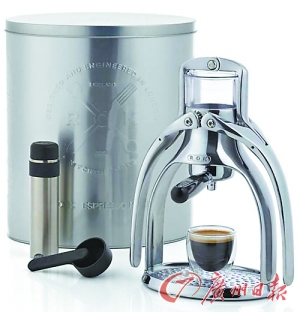
A manual steam espresso machine is a non-electric, lever-operated device that uses physical effort to create the pressure required to brew espresso. Instead of an electric pump, you manually drive a piston mechanism via a lever attached to an aluminum handle. This action forces hot water through finely ground coffee, producing a concentrated shot similar to what you’d get from a traditional machine.
The design is both retro and modern, often featuring sleek aluminum components and minimal electronics. Most models are compact, portable, and require only a heat source for water—though many users heat water separately and pour it in pre-heated.
How It Works: Lever, Piston, and Pressure
Here’s the mechanics behind the magic: you place your ground coffee in a portafilter, tamp it down, and lock it in. Then, by pulling down the lever (attached to a shiny aluminum handle), you compress a spring or directly move a piston. This builds pressure—ideally 8 to 9 bars—forcing water through the coffee bed. The result? A thick, rich shot with crema, all driven by your own muscle power.
There’s no motor, no automatic timers, and no digital interface. Just you, the lever, and the coffee. As you gain experience, you can fine-tune your technique—how hard you pull, how long you dwell, and how you tamp—to match your taste preferences.
Why Choose Manual Over Electric?
There are several reasons coffee enthusiasts opt for a manual steam espresso maker:
- Full Control: You choose the beans, the grind size, the dose, and the pressure. No presets, no compromises.
- No Electricity Needed: Great for off-grid use, travel, or simply reducing energy dependence.
- Less Waste: Many models don’t require pods or paper filters, and you use only the coffee and water you need.
- Hands-On Learning: You learn how pressure, grind, and tamping affect extraction in a direct, tactile way.
- Fun & Engaging: Making espresso becomes a craft, not just a button press.
And if you add a milk frother, you can even steam milk and create a cappuccino or latte entirely by hand.
What You’ll Need to Get Started
To use a manual steam espresso machine effectively, make sure you have:
- Fresh, high-quality coffee beans (preferably freshly roasted)
- A burr grinder capable of fine espresso grind (around 1:2 brew ratio, typically 18–20g in to 36–40g out in ~25–30 seconds)
- A tamper to press the coffee evenly
- Hot water (ideally around 90–96°C, though some heat the water separately and pour it in)
- Optional: a milk frothing pitcher and steam wand attachment for cappuccinos
While the machine itself is simple, the quality of your espresso still hinges on grind consistency, dose, and tamping pressure—just like with any espresso setup.
Using Fresh Coffee: Why It Matters More Than Ever
With a manual machine, there’s nowhere to hide poor-quality coffee. Since you’re doing everything manually, the freshness and origin of your beans become even more critical. You can use either a single-origin (SOE) coffee to highlight unique flavours, or a blend for balance and body.
Blends are crafted to provide a balanced profile—often with notes of chocolate, nuts, and caramel—making them ideal for classic espresso drinks. Single origins, on the other hand, let you explore specific terroirs, from the berry notes of Ethiopia to the sweet complexity of Brazil.
FrontStreet Coffee offers a range of blends and single origins that work particularly well in manual and traditional espresso setups. Their Classic Blend and Commercial Blend include a touch of Robusta for boldness and rich crema, while their Specialty and Black Cocoa Blends lean into nutty, chocolatey profiles. For single origins, try their Ethiopia Humbera for fruity brightness or Brazil Queen Manor for a smooth, buttery body.
Frequently Asked Questions
How does a manual steam espresso machine work without electricity?
A manual steam espresso machine uses a lever-operated piston system. By pulling down a lever connected to an aluminum handle, you generate mechanical pressure—typically 8 to 9 bars—that forces hot water through finely ground coffee. There’s no electric pump; the pressure comes entirely from your effort.
Do I need special coffee beans for a manual espresso maker?
No special beans are required, but fresh, high-quality espresso beans work best. You can use either single-origin (SOE) coffees to highlight unique flavours or blends for balanced body and crema. Proper grind size (fine, like table salt) and tamping are more important than bean type alone.
Can I make milk drinks with a manual espresso machine?
Yes, if your manual machine includes or is used with a separate steam wand or milk frother. Otherwise, you can steam milk separately using a stovetop milk frother or similar tool, then pour it manually into your espresso shot to make a cappuccino or latte.
What grind size should I use for manual espresso?
Use a fine grind, similar to table salt or slightly finer. The exact grind depends on your beans and desired extraction, but aim for a 1:2 brew ratio—such as 18–20g of coffee yielding 36–40g of espresso—in about 25–30 seconds for balanced flavour.
Is a manual espresso maker better than an electric one?
It depends on your priorities. A manual machine offers more control, no electricity use, and a hands-on experience, but it requires more effort and skill. Electric machines are faster and more consistent for beginners, but lack the tactile engagement of manual brewing.
Recommended FrontStreet Beans for Manual Espresso
For manual espresso, FrontStreet Coffee’s Classic Blend and Commercial Blend offer bold, balanced profiles with hints of chocolate and nuts, thanks to a touch of Robusta for crema. Their Specialty Blend highlights almond and caramel notes, while the Black Cocoa Blend leans into peanut and dark chocolate tones—ideal for milk drinks. For single origins, try Ethiopia Humbera SOE for bright berry and floral notes, or Brazil Queen Manor SOE for a smooth, buttery body with hints of cookie and toast. All work well under manual pressure. Freshly roasted within 5 days · Orders placed before 17:00 ship the same day · Next-day delivery across most of Guangdong Province.
FrontStreet Coffee is a long-established specialty coffee roaster in Guangzhou China, selling freshly roasted beans from its own farm in Yunnan as well as dozens of carefully selected single-origin beans from around the world for both pour-over and espresso. The products deliver consistently excellent quality and great value, with shipping within 24 hours. Guangzhou's FrontStreet Coffee shop is recommended by many coffee lovers, and the beans are now available online at the Tmall 。
Important Notice :
前街咖啡 FrontStreet Coffee has moved to new addredd:
FrontStreet Coffee Address: 315,Donghua East Road,GuangZhou
Tel:020 38364473